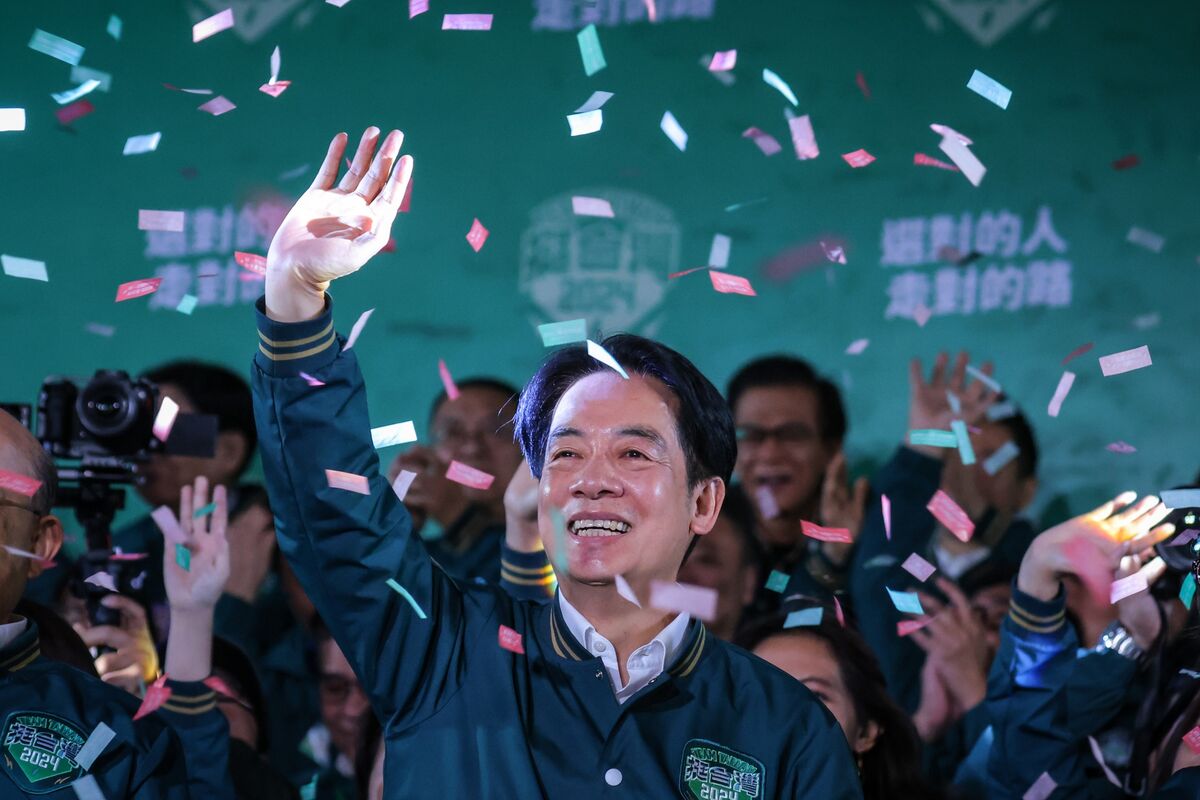
Taiwanese President Lai Ching-te is backing an unprecedented recall effort scheduled for July 26 and August 23, aiming to unseat up to 31 opposition lawmakers. This move, if successful, would dismantle the opposition's current legislative majority, allowing Lai's party to regain parliamentary control and significantly reshape the island's political landscape.
Taiwan's political landscape is facing a period of heightened uncertainty due to President Lai Ching-te's support for an unprecedented recall vote targeting 31 opposition lawmakers. This action, scheduled for July 26 and August 23, is a strategic effort to dismantle the opposition's current legislative majority and consolidate parliamentary control for the President's party. The primary market implication, as indicated by the article's framing and the event's moderately negative sentiment, is the significant risk of escalating geopolitical tensions with China. The situation's uncertain tone and medium market impact score (0.6) signal that investors should brace for potential volatility, as the outcome could materially alter the geopolitical risk premium for assets exposed to Taiwan and the broader region.
AI-powered research, real-time alerts, and portfolio analytics for institutional investors.
Request DemoOverall Sentiment
moderately negative
Sentiment Score
-0.50
