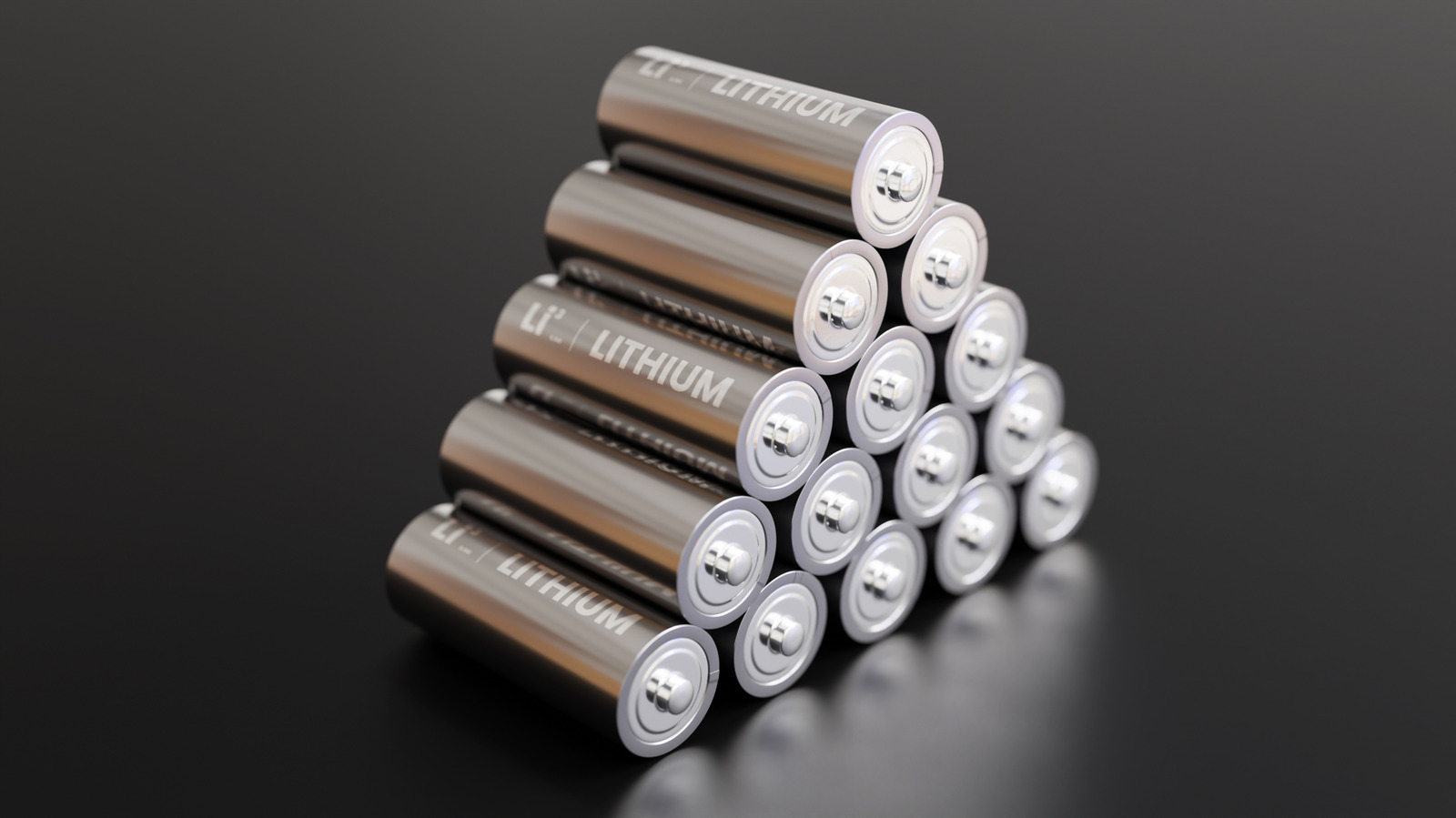
Researchers at Tokyo University of Science found that hard carbon anodes enable sodiation rates that can exceed lithiation in the same material, indicating sodium-ion cells could charge faster than comparable lithium-ion designs. If scaled, sodium-ion batteries could improve energy density, lower production costs (due to abundant sodium) and ease supply-chain and shipping risks versus lithium-ion, with early use cases including vehicles. Near-term displacement of lithium-ion is unlikely given unresolved issues around consistent fast sodiation and 'ion traffic jams' that limit charging speed.
Hard-carbon adoption for sodium-based cells shifts the battleground from cathode metal supply chains to anode material processing and electrolyte chemistry; if hard carbon scales to supply 20–30% of anode tonnage within 3–5 years, demand for refined graphite used in conventional anodes could fall by a similar magnitude, pressuring mid-tier graphite processors while advantaging specialty carbon producers with flexible kiln capacity. The knockout second-order is on lithium demand growth: a durable, lower-cost sodium stack capturing even 10% of stationary storage and low-cost EV segments by 2028 would shave projected lithium carbonate demand growth rates materially, compressing lithium miner forward multiples.
Manufacturing is the choke point: cell-level demonstrations are necessary but not sufficient — repeatability of particle morphology, binder/formulation compatibility, and electrolyte salt supply (NaPF6 alternatives) determine whether lab charge-rate gains survive scale. Watch for three technical/certification milestones over the next 12–24 months — 1) cell tests at commercial areal capacity with >80% retention at 1,000 cycles, 2) pilot-line yields >90% at 100 Ah scale, and 3) validated supply of fluorinated sodium salts in multi-tonne batches — failure on any will delay adoption by multiple years.
Macro and policy angles amplify the move: lower flammability and cheaper raw materials reduce shipping/insurance costs and could unlock distribution to regions currently underserved by lithium supply chains, accelerating electrification in cost-sensitive EM markets. Conversely, if incumbent lithium chemistries (silicon-dominant anodes or solid-state) close the cost/charge gap within 24 months, the addressable market for sodium will shrink sharply, making timing critical for positioning.
AI-powered research, real-time alerts, and portfolio analytics for institutional investors.
Request DemoOverall Sentiment
mildly positive
Sentiment Score
0.25
