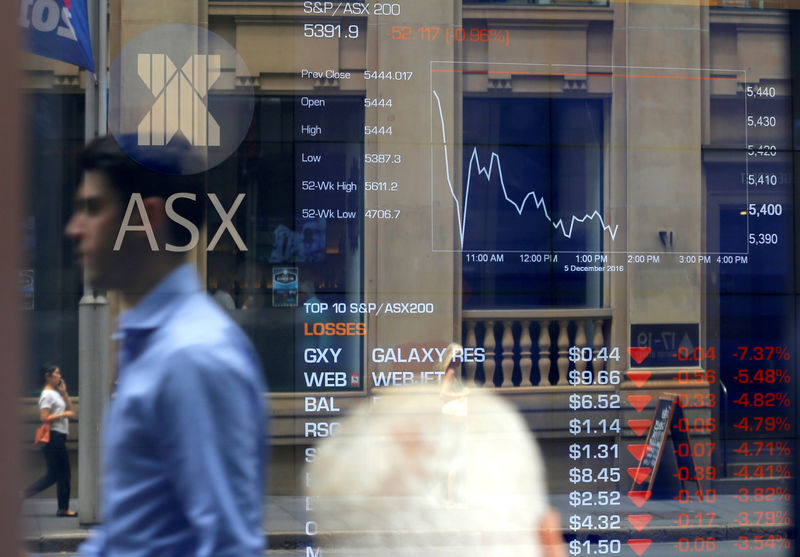
Australian equities rose 0.74% on Friday, led by Materials, Metals & Mining and Resources, while the S&P/ASX 200 VIX fell 5.86% to 12.36, a new 1-month low. In commodities, June gold eased 0.52% to $4,605.56/oz, but June crude oil rose 0.92% to $106.04/bbl and July Brent gained 1.29% to $111.82/bbl as Hormuz disruption risks kept energy prices supported. The Australian dollar was mixed, with AUD/USD flat at 0.72 and AUD/JPY up 0.25% to 113.06.
The market is treating this as a low-volatility risk-on tape with a commodity shock embedded underneath it: lower equity volatility, firmer energy, and a still-soft currency backdrop create a favorable mix for domestic resource leverage while compressing financing costs for cyclical names. The key second-order effect is that sustained Middle East shipping risk does not just lift crude; it steepens the value gap between upstream energy exposure and downstream users, especially transportation, chemicals, and energy-intensive industrials. If the disruption narrative persists for weeks rather than days, the trade stops being about headline oil and becomes about margin compression in sectors that cannot fully pass through fuel costs.
IPX stands out as a classic flow-driven small/mid-cap winner where momentum can outrun fundamentals in the near term. A 52-week-high breakout in a thinly covered name often attracts quant and retail follow-through for 3-10 sessions, but the post-breakout risk/reward deteriorates quickly if volume fails to expand or if broader materials sentiment rolls over. The opportunity is less about chasing strength outright and more about buying continuation only on intraday resets with tight risk, because crowded momentum in smaller industrial/materials names tends to mean-revert hard once the catalyst window closes.
The underappreciated loser from firmer crude is the set of macro-sensitive defensives and discretionary names whose input or transport costs rise before they can reprice. If oil stays above current levels for another 2-4 weeks, expect a creeping earnings revision tax on airlines, freight, and select retailers, while energy producers and royalty-style names get the cleanest immediate benefit. The contrarian point is that low implied volatility may be mispricing a gap move if shipping or insurance headlines escalate; that creates asymmetric optionality in energy and volatility expressions versus outright beta.
The bigger macro question is whether this is a temporary geopolitical premium or the start of a higher floor for oil into summer. If the market concludes the supply risk is durable, positioning should rotate from trading the headline to owning the hedge: energy cash flow, inflation beneficiaries, and downside protection in transport/discretionary. If headlines de-escalate, the unwind in crude can be sharp, but resource equities with cleaner balance sheets should still outperform because the market has already started to reward commodity optionality over rate-sensitive duration.
AI-powered research, real-time alerts, and portfolio analytics for institutional investors.
Request DemoOverall Sentiment
mildly positive
Sentiment Score
0.15
Ticker Sentiment
