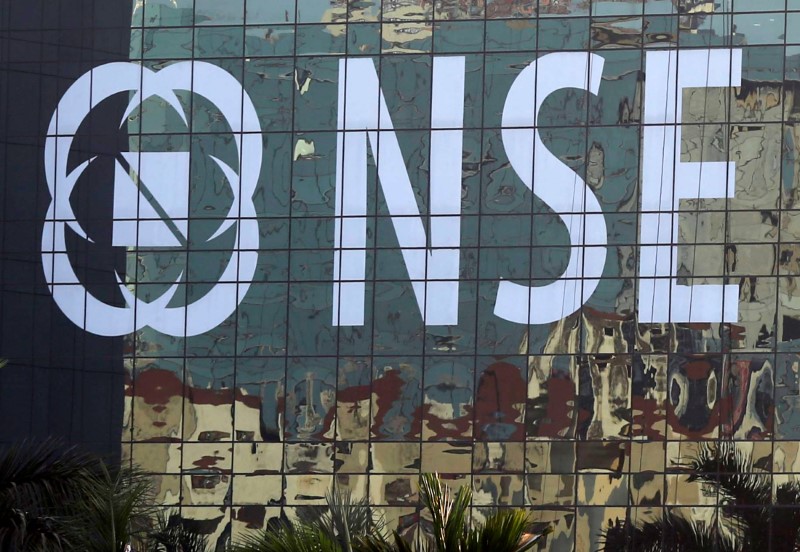
Nifty 50 fell 1.73% to a six-month low and the BSE Sensex declined 1.71%; broad market breadth was weak with 2,115 decliners vs 427 advancers on NSE. Tata Motors PV dropped ~5.35% to 332.00 (52-week low), UltraTech -5.19% to 11,365 and Maruti -4.63% to 13,504; India VIX jumped 17.84% to 23.43 (52-week high). Crude oil surged ~13% (WTI Apr $102.75, Brent May $104.92), USD/INR rose 0.66% to 92.54, indicating commodity-driven and FX-related market pressure amid G7/ Iran supply concerns.
The immediate oil-driven risk-off is transmitting through FX and volumes rather than corporate fundamentals — a sustained crude spike widens India’s external deficit and forces either fiscal slippage or RBI market intervention. That transmission benefits USD-earning exporters (materially INFY) because every ~5% INR depreciation translates roughly into a commensurate uplift in INR-reported revenue for companies with large USD mixes, while importers, airlines and fuel-heavy industrials see margin compression and working-capital pressure within a 1–3 month window.
Implied-volatility is richly priced across Indian markets; when realized vol mean-reverts (histor median 2–6 weeks after VIX spikes), option sellers who use calendar or ratio structures have historically captured outsized premium. At the same time, oil option term-structures tend to front-load geopolitical risk: short-dated strikes are expensive while 3–6 month wings remain cheaper, creating a skewed arbitrage opportunity to buy medium-dated convexity as insurance against episodic Iran-related supply shocks.
Second-order winners include offshore engineering/service providers and IT deal-closers who can convert a weaker INR into deterministic rupee cashflow upside, while domestic demand cyclicals (autos, construction inputs) are the most levered to fuel-driven mobility softness. The reversal catalysts are clear — a coordinated SPR release, credible diplomatic de-escalation with Iran, or an RBI signalling tolerance for greater FX volatility — any of which would compress energy premia and snap back cyclicals within 4–8 weeks.
AI-powered research, real-time alerts, and portfolio analytics for institutional investors.
Overall Sentiment
mildly negative
Sentiment Score
-0.35
Ticker Sentiment
