
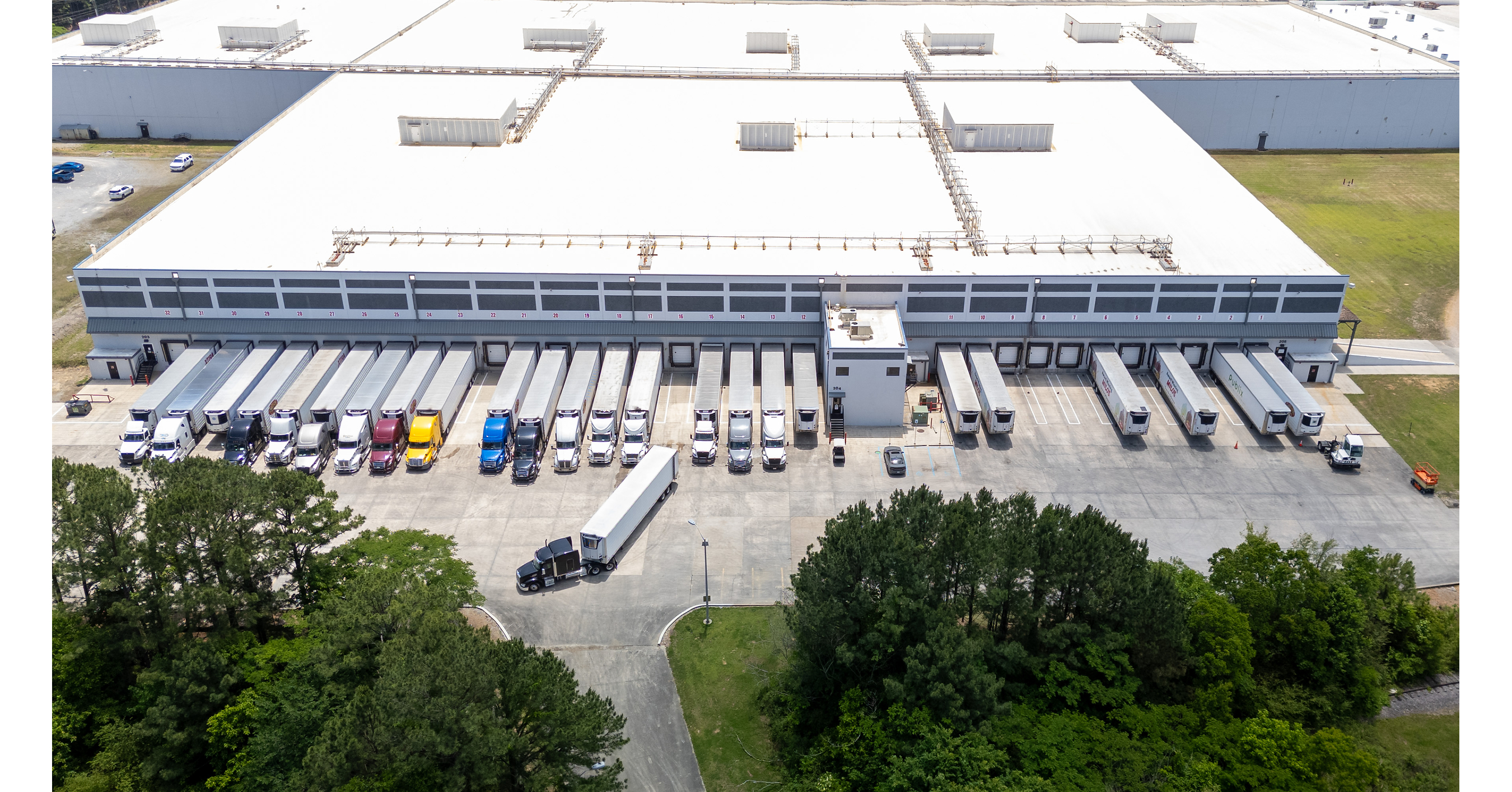
Milo's Tea Company announced a new 150,000-square-foot refrigerated distribution center in Birmingham/Homewood, adding about 50 associates and supporting cold-chain operations near its Bessemer manufacturing site. The opening is the fourth major facility investment since 2020, taking domestic manufacturing investment to more than $350 million (nearly $400 million since 2019) and adding 500+ associates as production capacity has more than tripled. The company frames the move as improving safety and on-time/in-full logistics service for retail partners, with further capacity build planned for 2026 and beyond.
This reads more like a category signal than a single-company event: a fresh, refrigerated beverage brand is still willing to spend heavily on capacity, which usually only happens when retail velocity is strong enough to justify long-duration fixed assets. The implication for public markets is not an immediate earnings pop, but confirmation that premium cold-chain beverages remain a growth pocket inside consumer staples, supporting valuation resilience for the broader "better-for-you" drink set.
The second-order winner is infrastructure, not the brand owner: cold-storage operators, refrigerated logistics, and industrial REITs benefit whenever packaged beverages shift toward more frequent replenishment and tighter service levels. The loser is ambient and shelf-stable tea/juice franchises that rely on lower-touch distribution; if this trend broadens, they face both share pressure and a higher service standard on fill rates, which can compress margins across the category. Retailers also inherit more working-capital intensity as chilled assortment expands.
The key risk is over-interpreting a capex announcement as evidence of durable demand rather than defensive capacity planning. Over the next 1-3 months, the real catalyst is scanner data: if refrigerated tea/lemonade share gains persist, the move is real; if not, this is just a balance-sheet-heavy attempt to stay ahead of volatility. Over 6-18 months, the falsifier is a deceleration in category velocities or an inability to convert volume growth into operating leverage.
AI-powered research, real-time alerts, and portfolio analytics for institutional investors.
Request TrialOverall Sentiment
mildly positive
Sentiment Score
0.25
Ticker Sentiment
