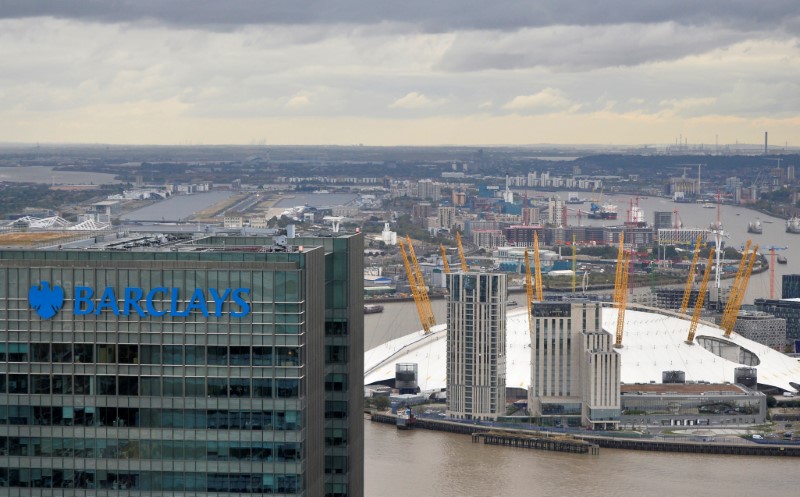
Barclays flags a roughly £4.7B funding gap in the UK 2026 budget for higher defence spending, after announced reallocations/capital budget cuts cover only about £11.3B of a planned £15B increase over the next four fiscal years. The note also estimates higher gilt yields since March have already reduced fiscal headroom by ~£3B, narrowing the room despite current headroom of ~£15B–£20B. On monetary policy, Bank of England Governor Andrew Bailey reinforced that rates should stay unchanged this year, with inflation expected to peak near 3.2% and rate cuts “off the table” for now. Overall, the mix of fiscal constraints and a still-restrictive rates outlook leans cautious for UK assets even as gold trends higher on softer jobs data cooling hike bets.
The market mechanism here is not the defense spend itself; it is the implied persistence of tighter financial conditions. A BoE that stays on hold while QT continues keeps the front end and term premium sticky, which is supportive for bank NII but eventually leaks into credit costs and mortgage/consumer demand. For UK domestics, the bigger second-order risk is that the fiscal gap gets solved through stealth taxes or capex compression, which would be a mild negative for lenders, builders, and any growth-sensitive UK exposure.
For BCS, this is a mixed setup: higher-for-longer helps spread income, but the political overhang around bank taxation can compress the multiple faster than earnings can re-rate it. The direct earnings impact of any future UK levy is likely manageable; the larger effect is sentiment and capital allocation, especially if investors start to discount a broader anti-bank policy mix into the autumn budget. I would not extrapolate this into a blanket sector short, but I would avoid owning UK policy beta outright until the funding plan is clearer.
Contrarian view: the consensus may be overpricing the likelihood of a punitive bank tax and underpricing a quieter solution via spending cuts and fiscal drag. If that happens, BCS can squeeze higher because the adverse headline risk fades while rates remain elevated. The main falsifier is a faster-than-expected BoE pivot or a budget that explicitly targets banks; either would flip the read-through in 1-3 months.
AI-powered research, real-time alerts, and portfolio analytics for institutional investors.
Overall Sentiment
mildly negative
Sentiment Score
-0.18
Ticker Sentiment
