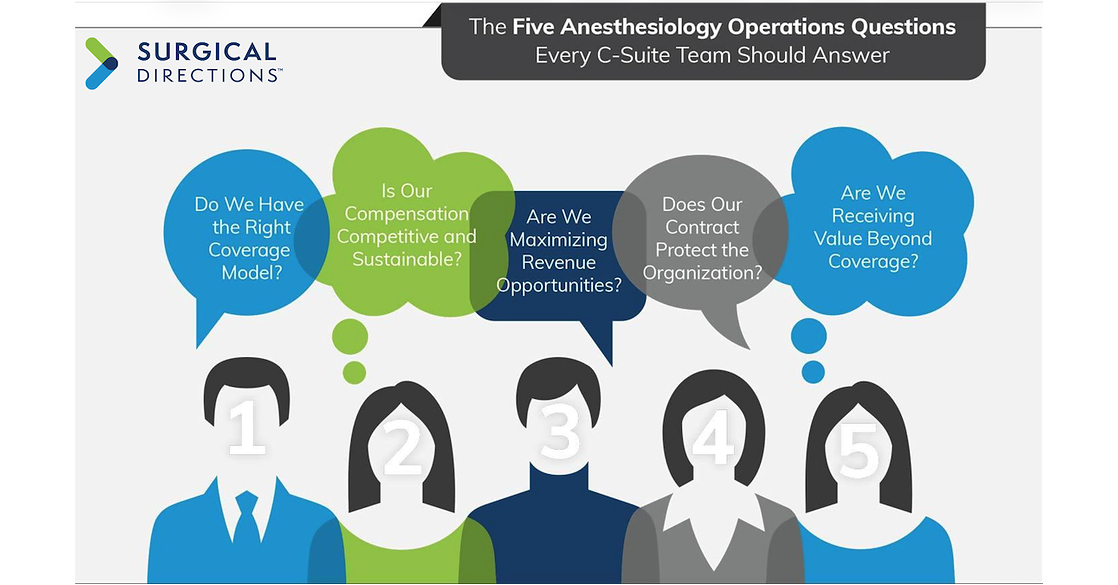
A Surgical Directions white paper warns that anesthesiologist/CRNA/CAA workforce shortages are reshaping hospital economics via higher coverage costs, greater reliance on locum tenens (costly workforce), and persistently declining reimbursement. The report cites rising compensation expectations, longer recruitment timelines, and increased procedural demand alongside labor and operating cost pressure, leaving hospitals with less workforce stability and control. While no financial figures are provided, the message implies a continuing margin headwind from escalating subsidy requests and locum expenses unless hospitals adopt a more strategic anesthesiology model.
The clearest near-term beneficiary is the physician staffing / locum channel, especially AMN, because hospitals under staffing pressure tend to buy flexibility first and solve permanently later. That creates a short-cycle revenue tailwind, but it is likely lower-quality revenue: higher billings with weaker pricing power once hospitals renegotiate or move to employed/affiliate models. The bigger second-order loser is not just hospital margins, but surgical throughput — any bottleneck in anesthesia coverage caps profitable elective volume, which can ripple into imaging, implants, and post-acute utilization.
For hospitals, this is a margin and capacity problem, but not uniformly bearish. Large operators with scale, integrated physician networks, and stronger balance sheets can centralize coverage, absorb subsidy volatility, and squeeze smaller local competitors that rely more on temp labor. The likely medium-term outcome is consolidation of anesthesia coverage under fewer management platforms, plus more explicit governance around OR block time and case mix, which favors systems with procedural density and punishes low-volume facilities.
The contrarian point is that the market may be overestimating how much of this is permanent inflation versus a transition to a new labor model. Over 6-18 months, expanded CRNA use, scope-of-practice changes, and hospital-employed anesthesia groups can partially blunt locum demand; if those channels improve, staffing multiples could compress quickly. The key falsifier for the short-hospital thesis is evidence that subsidy growth is stabilizing while surgical volumes continue to rise — that would mean this is an operational fixable issue, not a structural earnings leak.
AI-powered research, real-time alerts, and portfolio analytics for institutional investors.
Request TrialOverall Sentiment
mildly negative
Sentiment Score
-0.20
