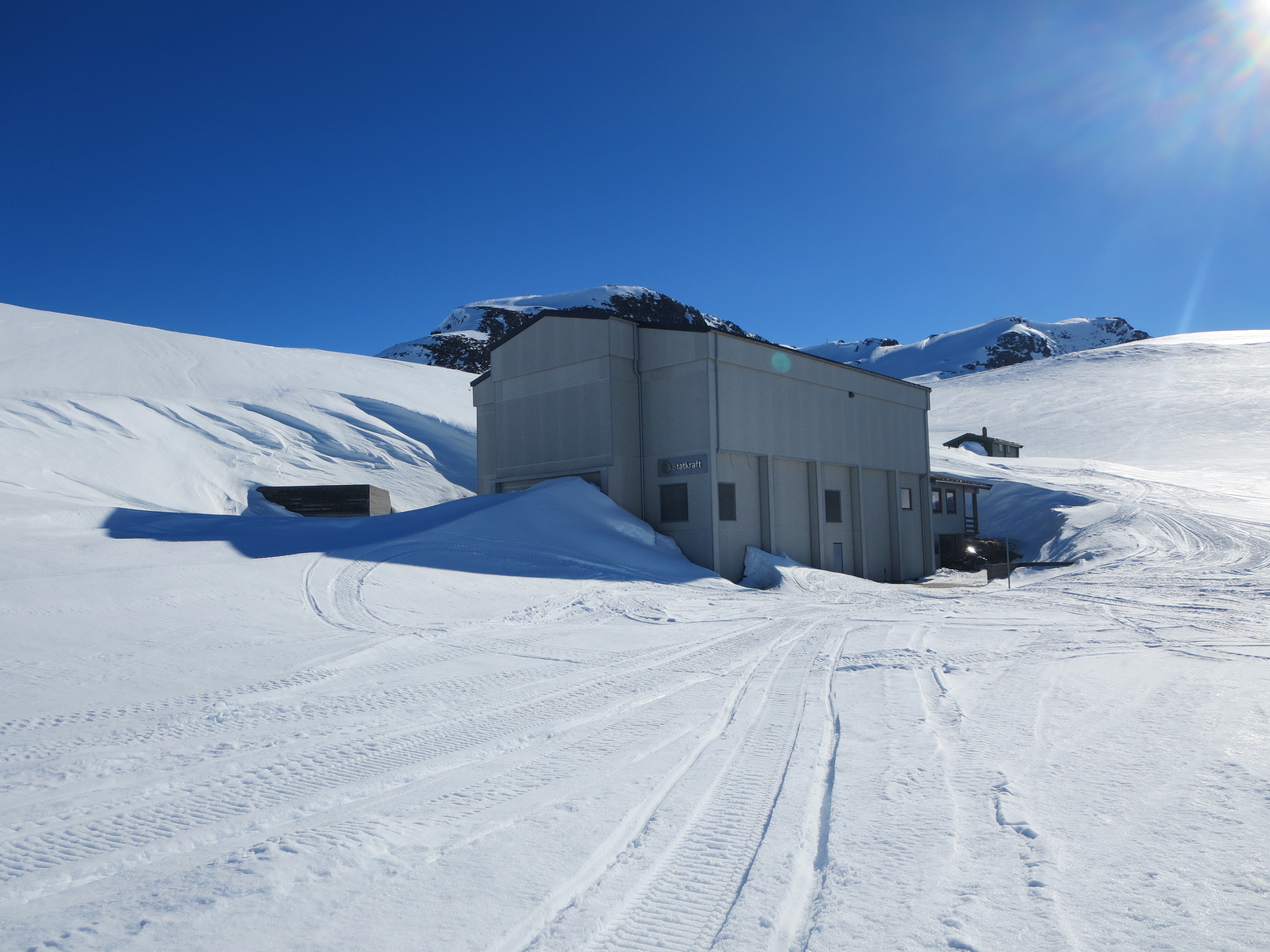
Statkraft plans to invest about NOK 460 million in new control systems at its Vikfalli power plants. The upgrades are intended to improve operational reliability and support stable power generation for decades, with management citing the site’s importance to regional grid safety. The announcement is more of an capex/operations enhancement than an immediate earnings catalyst.
This is more a reliability/availability story than a near-term earnings story. The economic value sits in reduced forced-outage risk, fewer unplanned maintenance events, and better dispatch precision, which should modestly improve realized utilization and lower balancing costs over time. In a hydro-heavy system, that matters most during tight winter/low-inflow periods, when one outage can have outsized impact on regional spot prices and ancillary-service volatility.
The incremental beneficiaries are the industrial automation and power-controls vendors that win the upgrade budget, not the utility itself. For listed peers, the best second-order read-through is to ABB, Schneider Electric, Emerson, and GE Vernova: this kind of capex reinforces a multi-year replacement cycle in control systems, condition monitoring, and grid-automation software. The loser set is more diffuse: merchant power traders, short-volatility power strategies, and any regional generator relying on scarcity pricing around outages may see less upside in realized prices and volatility.
The catalyst path is slow. There is little reason to expect an immediate re-rating, but over 6-18 months investors should see whether the project reduces outage frequency and maintenance spend enough to lift confidence in forward output assumptions. The main falsifier is unchanged reliability metrics after the upgrade cycle, or capex coming in with no follow-through in operating KPIs; if that happens, this remains a maintenance spend with limited equity value creation.
Contrarian view: the market may overestimate the near-term price impact and underestimate the strategic value of control-system modernization. If the upgrades materially improve uptime, the bigger effect may be on the shape of the Nordic power curve—less scarcity premium, lower tail volatility, and a slightly lower option value for flexible generation rather than a headline move in average prices.
AI-powered research, real-time alerts, and portfolio analytics for institutional investors.
Request DemoOverall Sentiment
mildly positive
Sentiment Score
0.15
