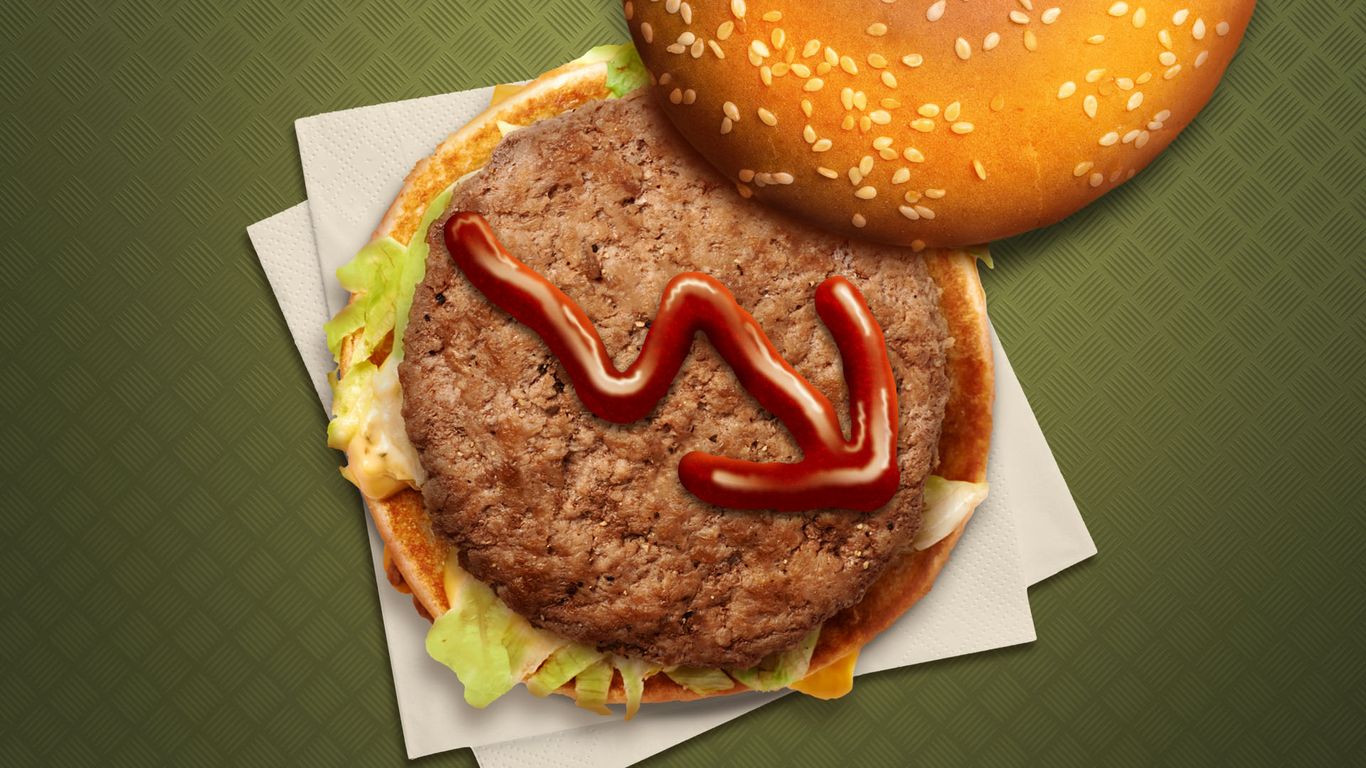
Beef prices are pressuring summer grilling demand, with ground beef up 14% year over year and average fresh beef at a record $9.64 per pound in April, while chicken breast averaged about $4.17 per pound. Tyson said beef sales volume fell 13% year over year as chicken volume rose 1.7%, and Hormel reported double-digit dollar sales growth in Jennie-O ground turkey as consumers traded down to cheaper proteins. The article points to ongoing consumer substitution toward chicken, pork and turkey, though premium beef demand remains resilient for some shoppers.
This is less a pure “beef demand collapse” story than a margin and mix-shift story across the protein aisle. The immediate beneficiary is not just chicken volume, but value-added formats: processors with strong prepared foods, case-ready, and club-channel exposure should capture both the trade-down and the convenience premium as shoppers try to preserve grill occasion behavior without paying for premium beef. That makes the competitive edge about throughput and SKU mix, not just raw commodity spread, which is why branded packaged-meat operators with diversified protein portfolios can out-earn plain-vanilla beef exposure.
The second-order loser is the beef supply chain’s pricing power, especially in mid-tier and commodity cuts where retailers are still pushing traffic with promotions. If consumers keep the ritual but shrink basket size, the market can see unit demand hold up while revenue per trip weakens—an ugly combination for beef-heavy processors and retailers with limited pass-through. The risk is that a warm summer and persistent price gap extend the substitution trend for several quarters, which would pressure cattle margins even if headline beef consumption only looks mildly softer.
The contrarian piece is that premium beef may be more resilient than consensus assumes. High-income buyers and club-channel shoppers are demonstrating less elasticity, so the pain is concentrated in the middle, not the top end; that argues for a barbell outcome where commodity beef weakens but select premium and branded cuts stay surprisingly firm. If cattle supplies remain tight into next year, the trade-down could actually stabilize producer economics sooner than expected by forcing volume into lower-cost cuts and alternative proteins, limiting the upside in “beef bear” trades unless the consumer weakens more broadly.
AI-powered research, real-time alerts, and portfolio analytics for institutional investors.
Request DemoOverall Sentiment
mildly negative
Sentiment Score
-0.15
Ticker Sentiment
