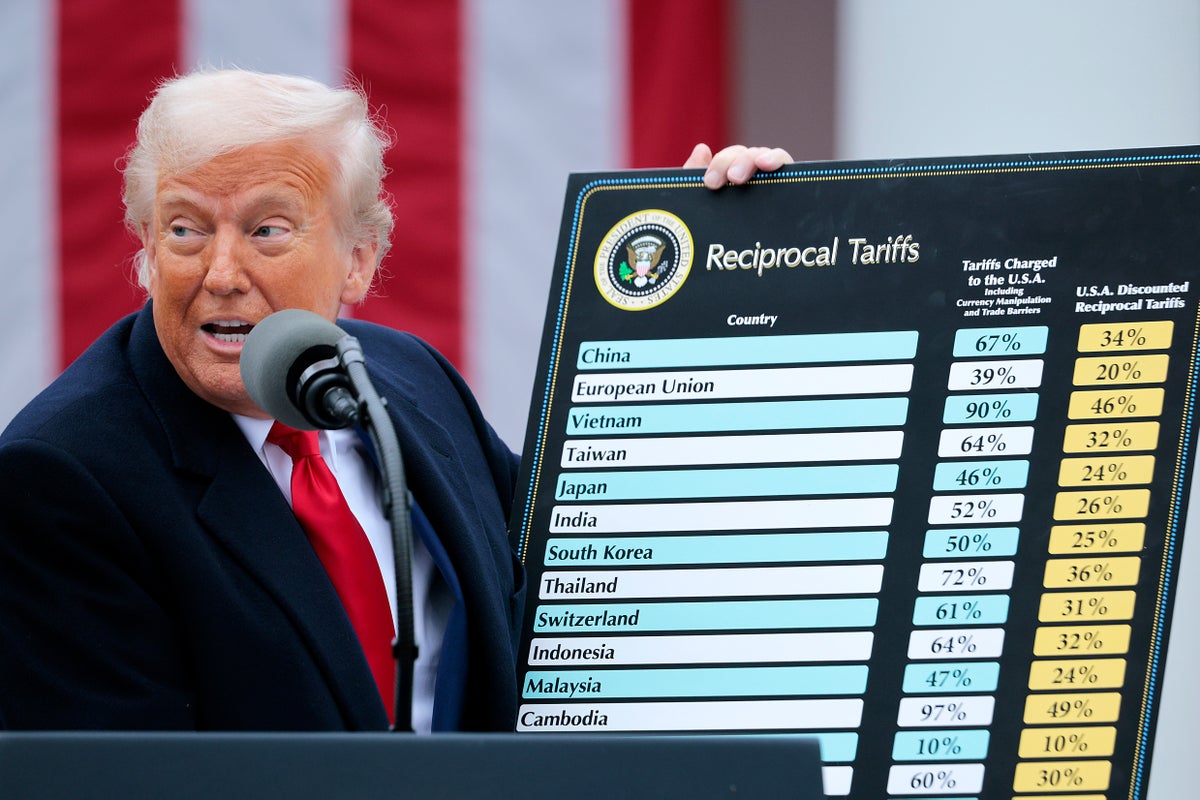
Moody’s Analytics says Trump’s tariff regime has caused “significant damage” to the U.S. economy, citing job growth averaging just 9,700 per month last year, the weakest outside recession since 2002, and inflation accelerating to 3% from 2.5% before tariffs. The article also warns the Iran war is worsening energy costs and inflation, while tariffs generated $195 billion in fiscal 2025 and are largely being borne by U.S. consumers. The piece highlights elevated economic and policy risk for growth, inflation, and the fiscal outlook.
The market implication is not just slower growth; it is a persistent margin squeeze concentrated in import-dependent sectors that cannot fully reprice quickly. The first-order inflation impulse is already visible, but the more tradable second-order effect is that tariff costs will leak into producer margins with a lag as inventory hedges roll off, which means the earnings damage can accelerate even if headline CPI stabilizes. That creates a bad setup for domestically exposed retailers, apparel, autos, and industrials with long supply chains, while helping select pricing-power names and firms with mostly domestic cost bases.
The labor signal matters more than the headline inflation number because it points to weaker nominal demand, not just a one-time price level shift. If job creation remains this soft for another 2-3 months, the Fed’s reaction function likely pivots from “higher for longer” to “growth-risk management,” especially if energy prices keep pressure on real incomes. That would flatten the front end less than expected in an outright stagflation scare, but it should widen earnings-risk premia for cyclicals and small caps whose valuation depends on continued labor income growth.
The geopolitical overlay is underappreciated: higher oil from war-driven commodity inflation can partially offset any tariff disinflation from demand destruction, so the economy can get both weaker and stickier on prices at the same time. That combination is usually bad for credit quality first, equities second. The real risk is not a clean recession call; it is a slow-burn deterioration where consensus keeps cutting EPS estimates while headline macro data looks merely mediocre.
The contrarian angle is that the tariff revenue stream creates a political cushion, which reduces the odds of an abrupt policy reversal unless markets force it through a growth scare. That means the trade is less about betting on immediate repeal and more about positioning for a prolonged policy drag. If the market is still pricing a soft landing, the underpriced move is earnings compression in import-sensitive sectors and a relative outperformance of domestic defensives and energy-linked inflation hedges.
AI-powered research, real-time alerts, and portfolio analytics for institutional investors.
Request DemoOverall Sentiment
strongly negative
Sentiment Score
-0.75
