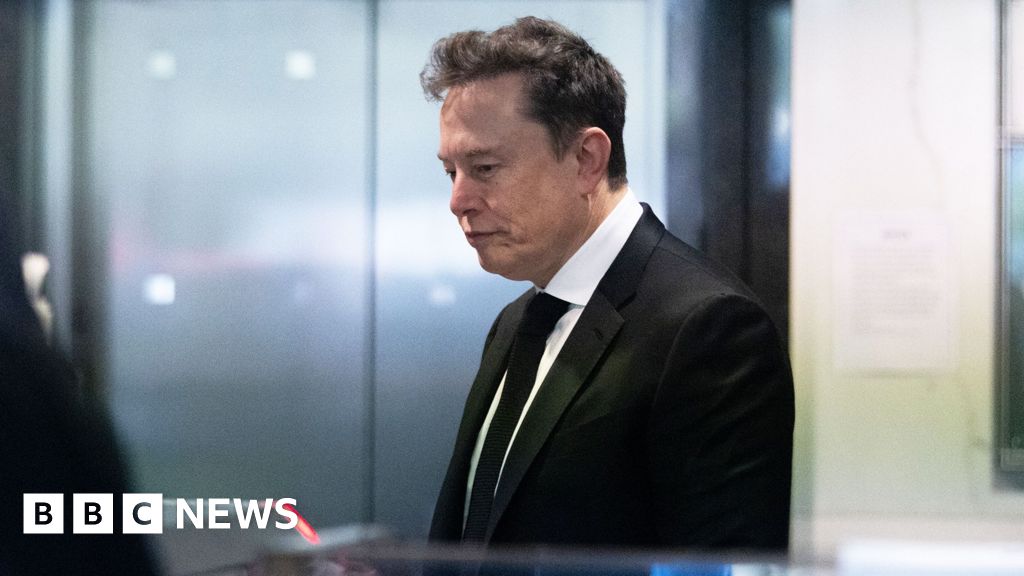
Tesla disclosed a potential $158bn compensation value for Elon Musk in 2025, tied to an ambitious pay deal that pays out only if he hits major milestones, including lifting Tesla’s market value to $8.5tn and generating up to $400bn in core profit. The filing is largely nominal for now, with analysts noting none of the required milestones were achieved in 2025. The article also highlights Musk’s broader strategic priorities, including SpaceX’s planned IPO and the ongoing OpenAI litigation.
This is less a compensation event than a governance reset with optionality attached. The market should treat the headline value as a signaling device: Tesla is effectively forcing a multi-year management lock-in around execution milestones that are far more operationally demanding than financial engineering, which lowers the probability of near-term distraction but does not guarantee focus on the core auto business. The immediate beneficiary is Tesla’s own equity narrative, because the package reframes Musk as a retained call option on extreme upside rather than a paid executive, but that only matters if investors believe the milestones are even remotely financeable within the next 3-5 years.
Second-order effects are more interesting in the ecosystem than at Tesla itself. If the company pushes harder on robotaxi, FSD, and robotics, suppliers tied to compute, sensors, and manufacturing automation can see a longer runway than traditional auto parts vendors, while legacy OEMs face a narrative risk that their software gap is widening again. The flip side is that the path to the stated goals likely requires aggressive capital allocation toward autonomy, AI infrastructure, and legal/regulatory fights, which can suppress free cash flow and keep valuation multiples unstable for several quarters.
The contrarian view is that the market may be overestimating the probability that this package is a catalyst for fundamental outperformance. A giant notional award can anchor expectations upward without changing unit economics, and it may actually increase the probability of periodic disappointment if each milestone slips further right. In the near term, the biggest risk is not dilution but execution fatigue: if investors start to model the package as evidence that management needs extraordinary incentives to stay engaged, the stock can underperform on any softness in deliveries or margin guidance over the next 1-2 earnings cycles.
AI-powered research, real-time alerts, and portfolio analytics for institutional investors.
Request DemoOverall Sentiment
neutral
Sentiment Score
0.05
Ticker Sentiment
