
UAE to exit OPEC: What is the potential impact on oil markets?
Source: Investing
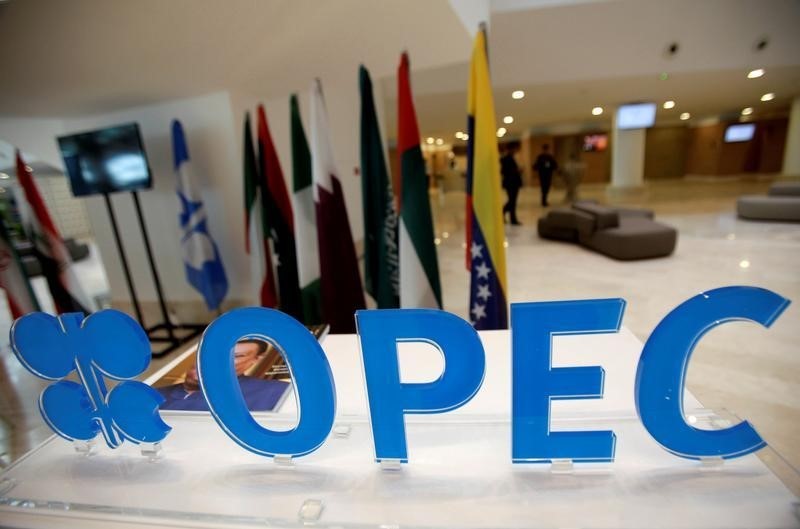
The UAE will exit OPEC effective 1 May 2026, a major shift that UBS says could create significant downside risk for oil prices in the medium term. While physical bottlenecks may delay any immediate supply surge, the UAE has 4.5 Mb/d of capacity versus 3.6 Mb/d recent production and aims to reach 5 Mb/d by 2027, threatening OPEC’s spare-capacity buffer. The report suggests only a muted near-term impact on prices, but the announcement is a material geopolitical and energy-market development.
Analysis
The market is likely underpricing the second-order effect: this is less an immediate oil shock than a volatility regime change. In the near term, physical constraints mute the upside in supply, but the signaling effect matters because one of the largest marginal spare-capacity holders is now effectively outside the cartel’s discipline. That raises the option value of future supply growth and caps the credibility of any coordinated response if prices spike.
The cleanest beneficiaries are not broad energy beta but assets levered to medium-term supply normalization and lower crude. Refiners, airlines, chemicals, and select EM importers should see improved input-cost visibility if the UAE succeeds in adding barrels into a still-fragile market. Conversely, the most exposed losers are high-cost producers whose valuation depends on a durable $70+ floor; the market may need to re-rate long-duration E&P cash flows lower if traders begin pricing a 2027 oversupply path rather than a 2026 shortage path.
The contrarian read is that consensus may be too focused on the headline geopolitics and not enough on timing. If export bottlenecks keep actual barrels off market for 6-12 months, the move in crude can remain contained while positioning in energy equities stays crowded; but once logistical constraints ease, the adjustment could be abrupt and nonlinear. The more interesting trade is the lag between policy freedom and physical delivery capacity: that gap often compresses faster than macro models expect, creating a window for bearish crude structures before fundamentals visibly deteriorate.
UBS should benefit modestly as the street leans harder on commodity and EM analysis, but the bigger opportunity is in expressing the view through relative value rather than outright directional oil. The risk to that view is a renewed regional disruption that re-tightens the Strait of Hormuz and forces an immediate supply shock, which would delay any bearish crude thesis by quarters. For now, the base case is a flat-to-down crude path over 6-18 months with rising downside skew into 2027 as UAE capacity expansion becomes more credible.
AllMind Terminal
AI-powered research, real-time alerts, and portfolio analytics for institutional investors.
Request TrialMarket Sentiment
Overall Sentiment
mildly negative
Sentiment Score
-0.15
Ticker Sentiment
Key Decisions for Investors
- Initiate a 3-6 month bearish crude structure: buy USO puts or put spreads targeting a delayed release of UAE supply; best entry is on any headline-driven bounce, with risk defined to premium paid.
- Pair trade: long refinery exposure (XLE components with higher crack spread sensitivity) vs short upstream E&P with high beta to $70+ Brent; expected outperformance window is 2-4 quarters if crude softens.
- Reduce exposure to high-cost, long-duration shale names that need sustained $75+ oil to defend valuations; add on balance-sheet quality only if the market overreacts and crude sells off too fast.
- Watch for a tactical short in Brent futures on confirmation of logistics easing or output ramp signals; the trade has asymmetric payoff if the market starts pricing 2027 oversupply before consensus shifts.
More News
- Why is JetBlue Airways stock sliding today?
- UBS reiterates Buy on Capital One stock, sees 20%+ ROTCE in 2027
- UBS reiterates Danaher stock Buy rating on Q3 results and outlook
- CNBC Daily Open: Ukraine's Starlink whodunit
- Asian shares wobble as tech rout boosts bonds, dents rate hike bets
- Why is Samsung Electronics stock declining today?