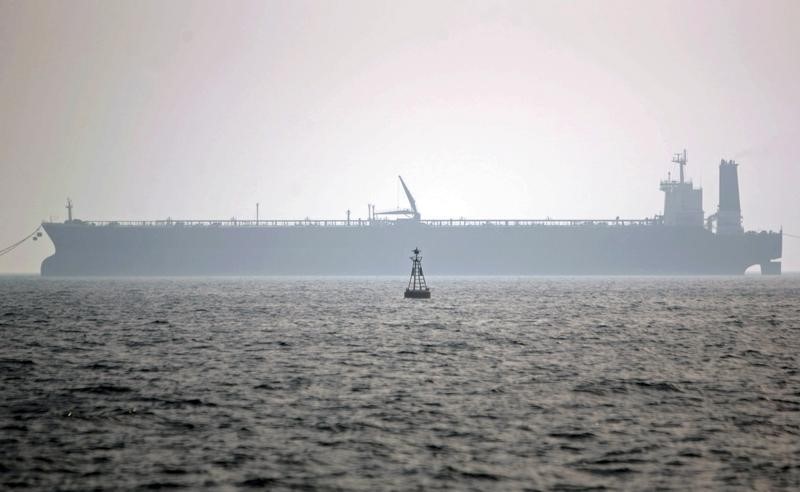
U.S. forces interdicted the sanctioned tanker Davina overnight in the Indian Ocean as part of efforts to disrupt Iranian oil trade. The vessel, capable of carrying up to 2 million barrels of crude, was last seen off Sri Lanka and appeared nearly fully laden, underscoring continued pressure on Middle East shipping routes. The event is geopolitically negative for oil logistics and adds to disruption risk around the Strait of Hormuz.
This is less an oil-market headline than a signal that enforcement intensity around sanctioned flows is becoming more operationally credible. The immediate market effect is not a supply shock, but a rising probability premium: traders will start pricing a higher odds of delayed cargoes, forced reroutes, and heavier insurance/friction costs for dark-fleet activity across the Indian Ocean and adjacent choke points. That tends to show up first in tanker rates and time-charter availability before it meaningfully tightens headline crude balances.
The second-order winner is the compliant shipping complex. Owners with clean counterparties, modern tracking, and lower exposure to sanctioned barrels should see improved utilization and stronger spot pricing if enforcement persists for even a few weeks. The losers are the marginal barrels moving through opaque channels; those volumes can re-enter the market only at a discount, which compresses the netback to sanctioned exporters and can subtly widen regional grade spreads even if Brent itself stays range-bound.
For energy equities, the near-term read-through is mixed: upstream cash flows are not the main trade unless interdictions escalate enough to remove actual supply. The cleaner expression is via marine logistics and, in a sustained campaign, select integrated names with trading arms that can arbitrage dislocations. The contrarian risk is that this becomes a one-off headline with no follow-through; absent repeated interdictions, the market will fade it within days and the premium embedded in freight and insurance will mean-revert quickly.
The key catalyst window is 1-4 weeks: if there are additional seizures or vessel diversions, expect a repricing of tanker utilization and a modest lift in crude volatility rather than a directional oil spike. If enforcement broadens, the real macro impact is on sanctioned crude discounts and shipping insurance, not on global supply outright. That makes this more attractive as a relative-value trade than a commodity beta trade.
AI-powered research, real-time alerts, and portfolio analytics for institutional investors.
Request DemoOverall Sentiment
mildly negative
Sentiment Score
-0.20
Ticker Sentiment
