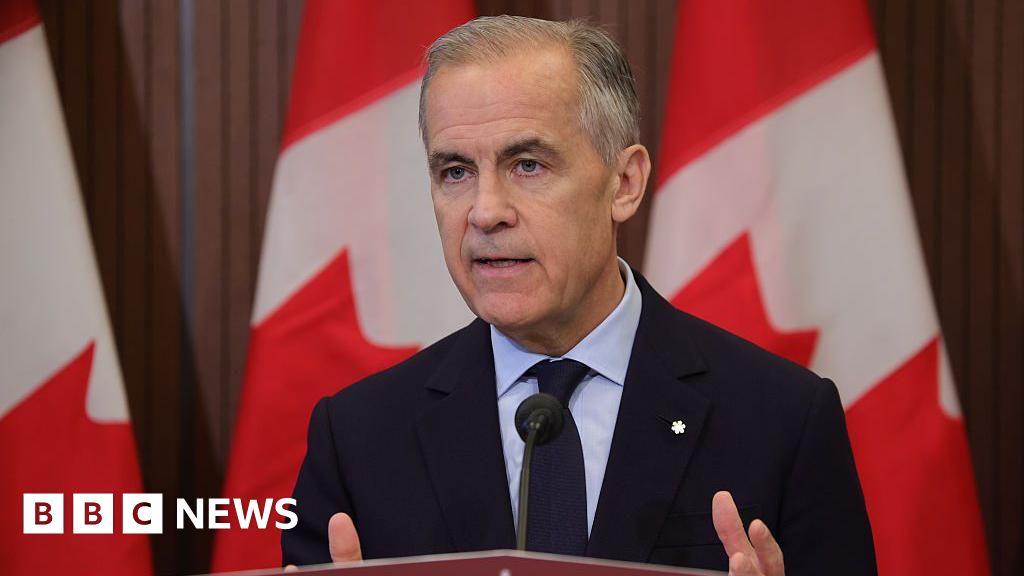
Prime Minister Mark Carney called Alberta's upcoming separation referendum a "dangerous bluff," warning that it could create unintended consequences and comparing it to Brexit. The vote is set for 19 October, with a grassroots petition having gathered more than 300,000 signatures before a court quashed it over inadequate consultation with Indigenous First Nations. A Monday Angus Reid poll shows three in five Albertans would vote to remain in Canada, while Premier Danielle Smith says she will proceed with a referendum question regardless.
The market implication is not a binary “Alberta leaves / stays” outcome; the bigger signal is that policy risk premia on Canadian energy assets are becoming more headline-sensitive and more province-specific. Even if separation never reaches a binding vote, the process increases the odds of incremental federal concessions on pipeline approvals, royalty flexibility, and emissions carve-outs, which would disproportionately benefit the upstream and midstream complex with Alberta exposure. The first-order beneficiaries are not the referendum advocates, but firms with enough balance-sheet capacity to monetize any regulatory loosening faster than local peers.
Second-order, the risk is less about actual constitutional rupture than about a prolonged investment freeze: deferred FIDs, wider discount rates on long-dated Alberta projects, and a higher hurdle for capital into heavy oil and gas takeaway infrastructure. That is negative for smaller producers and any business model reliant on multi-year capex visibility. The fastest transmission channel is through provincial budget stress and pipeline capacity optionality; if rhetoric escalates, expect a wider WCS differential and softer multiple support for Canada-listed E&Ps, even without a change in physical volumes.
The consensus is likely underpricing the “deal-making” path. Carney’s response suggests Ottawa may choose preemptive concessions to neutralize separatist leverage, which can be bullish for assets with embedded policy optionality. The real tail risk is a legal or procedural escalation that drags through months, not days, because that keeps capital allocation frozen and converts a political event into a valuation discount rather than a one-off headline shock. In that regime, the trade is less about direction of oil prices and more about relative exposure to Canadian regulatory volatility versus global commodity beta.
AI-powered research, real-time alerts, and portfolio analytics for institutional investors.
Request DemoOverall Sentiment
neutral
Sentiment Score
-0.10
