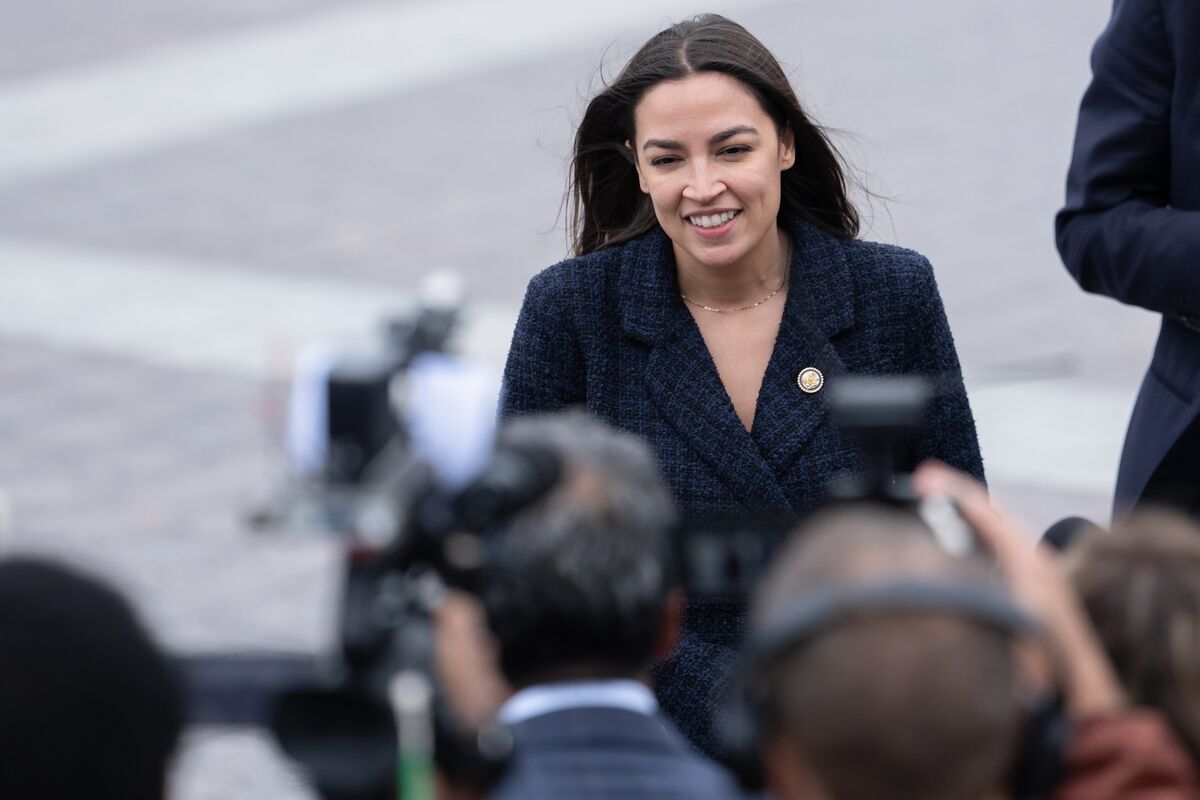
Article frames anti-establishment election wins as forcing Democrats to revise political playbooks ahead of upcoming midterms, with internal party infighting limiting their ability to focus attacks on Donald Trump. No specific policy or economic figures are cited, but the message is that political dynamics are likely to remain uncertain into the election cycle.
This reads as a political-entropy signal more than a tradable macro event. The market mechanism is not ideology itself, but reduced odds of a clean, unified Democratic policy agenda: that lowers near-term tail risk for sectors exposed to regulation, taxation, and antitrust, while increasing the probability that the post-election landscape becomes a gridlock trade rather than a policy-shift trade.
For PGR, the second-order effect is modestly favorable only if intra-party fragmentation weakens the chance of tighter insurance pricing, climate mandates, or broader consumer-protection oversight; that is a 6-18 month story, not a catalyst for the next few sessions. TGT is even more indirect: any political noise matters only through consumer confidence and wage/policy expectations, so there is no clean earnings sensitivity from this headline alone.
The contrarian view is that markets usually overtrade intra-party narratives before they are reflected in ballot-box math. Until polling or fundraising data show a real change in House/Senate probabilities, this is likely a low-signal story; the bigger trade is still on control of Congress, not on progressive factional dynamics. What would falsify a gridlock thesis is a rapid tightening in generic-ballot polls or a clear shift in down-ballot fundraising that restores legislative relevance over the next 1-3 months.
AI-powered research, real-time alerts, and portfolio analytics for institutional investors.
Request DemoOverall Sentiment
mildly negative
Sentiment Score
-0.10
Ticker Sentiment
