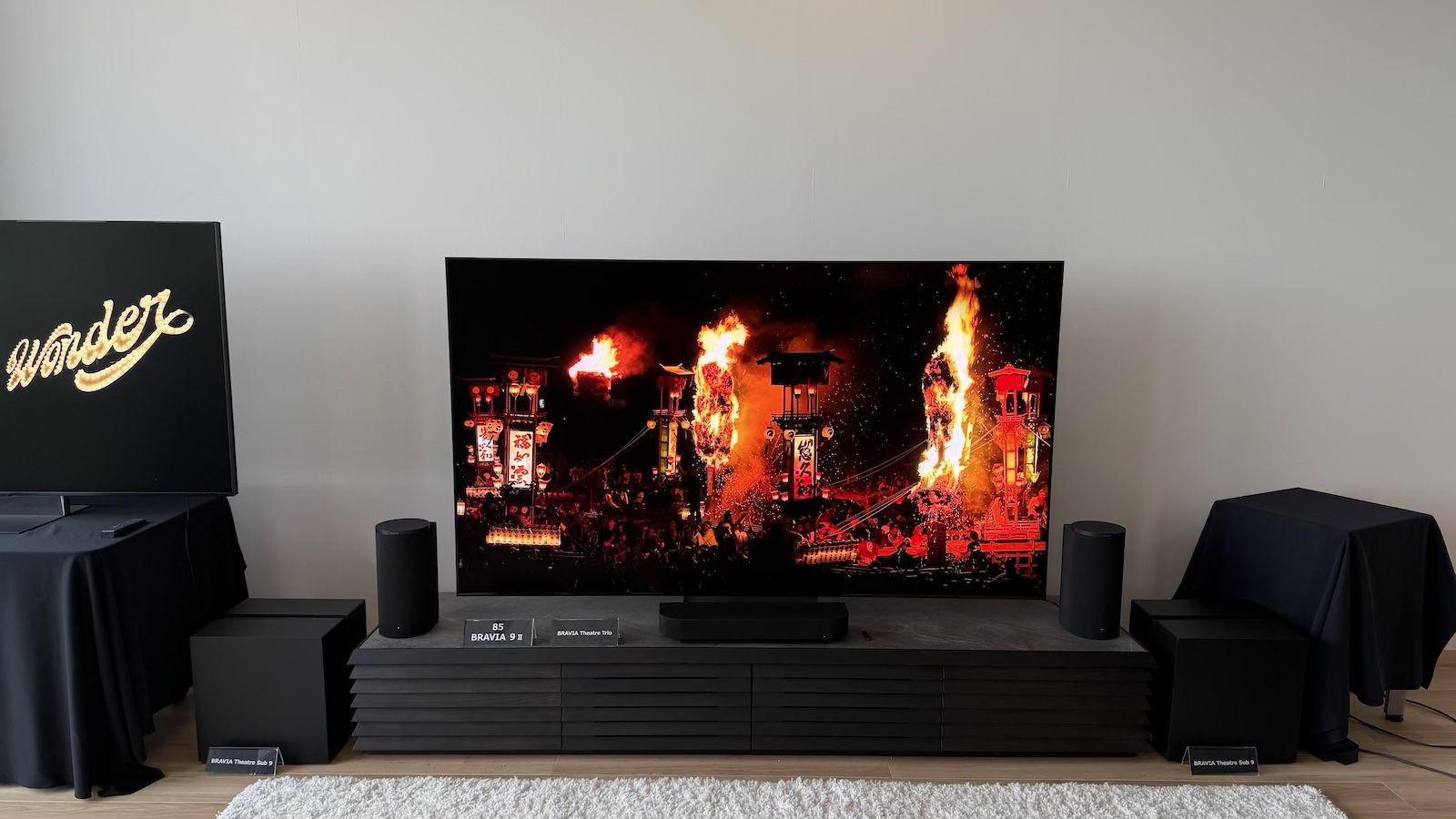
Sony’s Bravia 9 II True RGB TV is shaping up as a premium flagship, with early hands-on testing pointing to 4000-nit peak brightness, improved color accuracy, and stronger blooming control than the Bravia 9. Pricing starts at £3,499 for 65 inches and rises to £22,999 for the 115-inch model, though the set still appears to lag OLED on black solidity and viewing angles. The main drawback is the still-limited two HDMI 2.1 ports, which could deter hardcore gamers.
SONY is setting up for a classic “spec-sheet leader, execution risk later” tape. The market will likely reward the product halo first: a credible premium-flagship launch can support ASPs, brand heat, and attach rates in the next 1-2 quarters, especially if inventory is tight and channel checks confirm early sell-through. The bigger second-order winner may be Sony’s broader ecosystem rather than the panel alone: soundbar, PlayStation, and content-device bundling all benefit when the TV is perceived as reference-grade. The real competitive edge is not just brightness; it’s the combination of brightness with color fidelity and anti-reflective performance, which makes this more monetizable in bright-living-room geographies and premium installations. That said, the product still appears constrained by a few “premium friction” issues that matter disproportionately at the top end: HDMI 2.1 scarcity for gamers, and potential calibration volatility in edge-case scenes. Those are the kinds of defects that rarely change early enthusiasts’ opinions, but they can slow conversion in the exact customer cohort that drives high-margin big-screen sales. Contrarian read: the consensus may be overestimating OLED substitution and underestimating category expansion. If this TV is truly strong in bright-room viewing, the bigger upside is not stealing one OLED buyer, but pulling forward replacement cycles from older LCD owners who previously saw OLED as too dim or too fragile. That suggests the launch is more additive to premium TV demand than zero-sum, which is favorable for Sony’s unit mix and for panel/component suppliers able to support large-format premium builds. Risk-wise, the near-term catalyst is review consensus and retailer push: a clean final review can turn this into a 30-90 day revenue event, while any visible image-processing inconsistency would quickly cap enthusiasm because buyers at this price point are intolerant of compromise. Over 6-12 months, the main threat is fast follower risk from rival RGB mini LED launches compressing Sony’s halo premium. If that happens before Sony has fully monetized the launch window, the trade shifts from product victory to margin defense.
AI-powered research, real-time alerts, and portfolio analytics for institutional investors.
Request DemoOverall Sentiment
moderately positive
Sentiment Score
0.55
Ticker Sentiment
