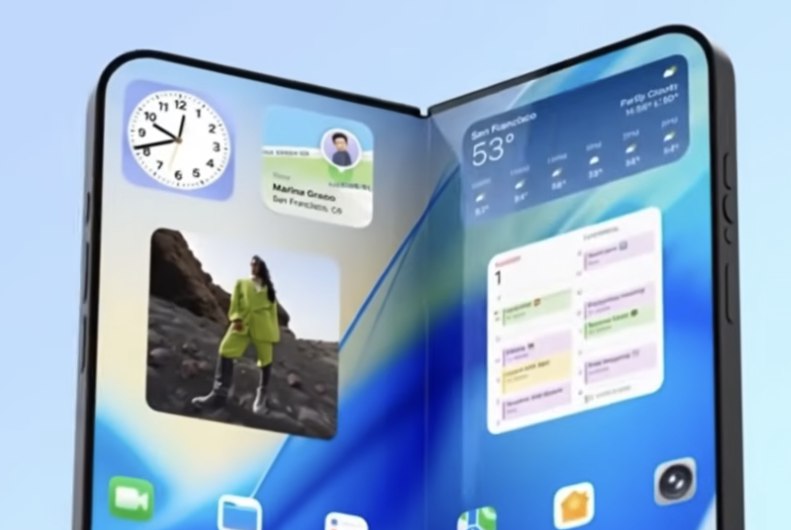
Apple is targeting a fall 2026 launch for a premium book-style iPhone Fold with mass production planned in H2 2026 (possible June–July start) to support a September unveiling. Price is expected at $1,800–$2,500 (consensus >$2,000), with first-year shipment goals of ~8–10 million units and ambitions to double in 2027; hinge cost is cited around $70–$80, which could aid margins. Supply-chain constraints and memory shortages may push the base iPhone 18 into early 2027 as Apple prioritizes premium models, creating both upside (upgrade cycle, ecosystem lock-in) and demand/affordability risk at the high price point.
The foldable introduction is less a one-off product event and more a margin-and-capacity rotation — Apple can boost ASPs disproportionately by selling a premium SKU into a large installed base while shifting scarce high-margin components away from lower-tier models. That creates a two-tier supply shock: upstream suppliers of advanced panels, packaging and high-density batteries see near-term demand spikes and pricing power, while commodity suppliers tied to base models face order deferrals and higher working-capital variability over the next 6-12 months. Operationally, prioritizing premium lines compresses channel availability for mainstream Android OEMs and mid-tier iPhones, opening a transient window for promotional share gains by aggressive Android vendors and refurbished-device channels.
Regulatory and warranty dynamics are second-order but material: introducing a new form factor at premium pricing escalates service revenue potential (higher repair/AppleCare attach rates) and regulatory scrutiny around repairability and monopoly over parts—both of which can add recurring revenue but also one-time compliance costs and slower shipment velocity if carriers demand trial subsidies. Inventories will move unevenly; parts stockpiling by a monopolistic buyer increases lead times for non-Apple customers and elevates volatility in semi-reactive suppliers (DRAM/NAND, flexible substrates) over 3–9 months. Finally, investor reaction will be nonlinear: an impressive launch that avoids creasing/durability headlines could re-rate multiples via higher lifetime revenue per device, while any hinge/durability headlines could compress the stock faster than a typical device miss because the product is positioned as strategic rather than iterative.
AI-powered research, real-time alerts, and portfolio analytics for institutional investors.
Request DemoOverall Sentiment
moderately positive
Sentiment Score
0.35
Ticker Sentiment
