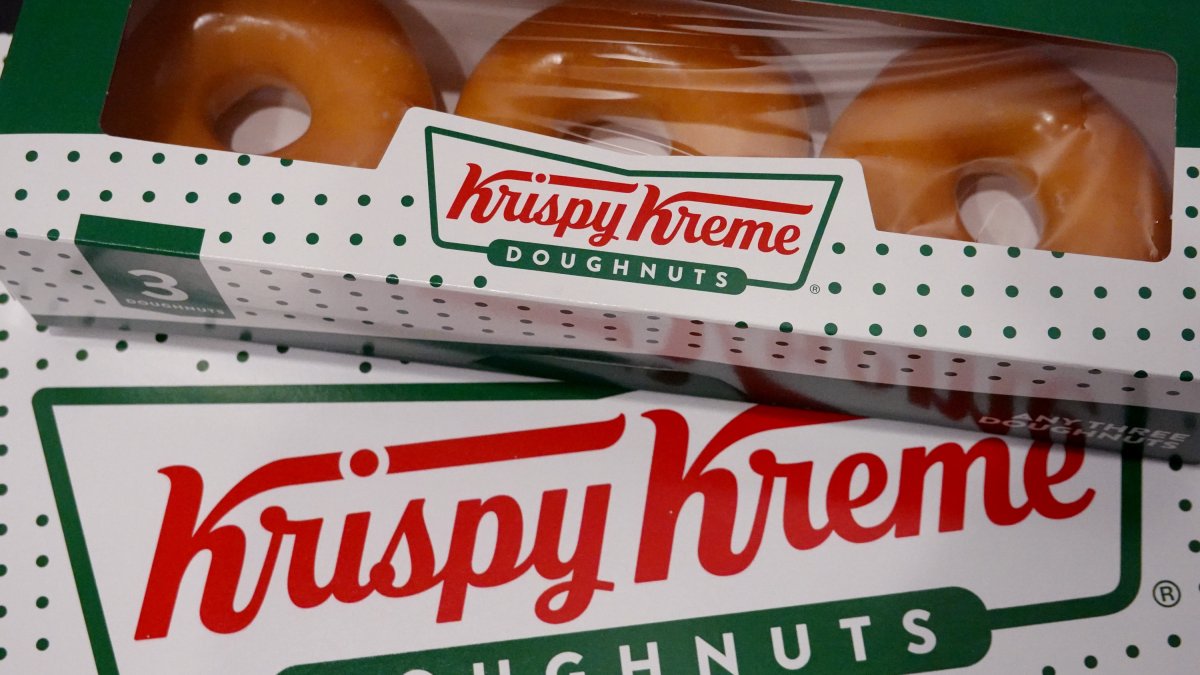
Krispy Kreme agreed to a $1.62 million settlement over a November 2024 data breach that may have exposed names, dates of birth, Social Security numbers, and financial account information. Eligible U.S. residents can claim $75 without documentation or up to $3,500 with proof of fraud or identity-theft losses, plus a year of credit monitoring. The claim deadline is June 26, with June 6 the last day to object or opt out.
This is a reputational and litigation overhang more than a direct earnings event, but the second-order damage is in customer trust and incremental compliance cost. For a low-margin consumer brand, even modest friction around payment cards and loyalty data can depress frequency if the breach stays in the news cycle, while legal/admin expenses hit when the company can least afford dilution of operating leverage.
The cash settlement itself looks manageable; the larger issue is that cyber incidents are becoming quasi-recurring for consumer-facing retail/food brands, raising the floor on cyber insurance, outside counsel, and data governance spend across the sector. That creates a relative winner set in vendors selling endpoint, identity, and claims administration tools, while peers with similar first-party data footprints face a higher probability of follow-on scrutiny if they have any legacy IT exposure.
From a timing perspective, the catalyst is short-dated: opt-out/object deadlines can keep the issue alive into the next few weeks, but the P&L impact should be spread over months via legal accruals and higher insurance renewals rather than a one-time hit. The contrarian view is that the market may already be pricing in the headline risk, and the better trade is not a structural short on the brand, but a relative-value short against other consumer names with less visible balance-sheet flexibility if the broader cyber-liability regime keeps tightening.
AI-powered research, real-time alerts, and portfolio analytics for institutional investors.
Overall Sentiment
moderately negative
Sentiment Score
-0.35
Ticker Sentiment
