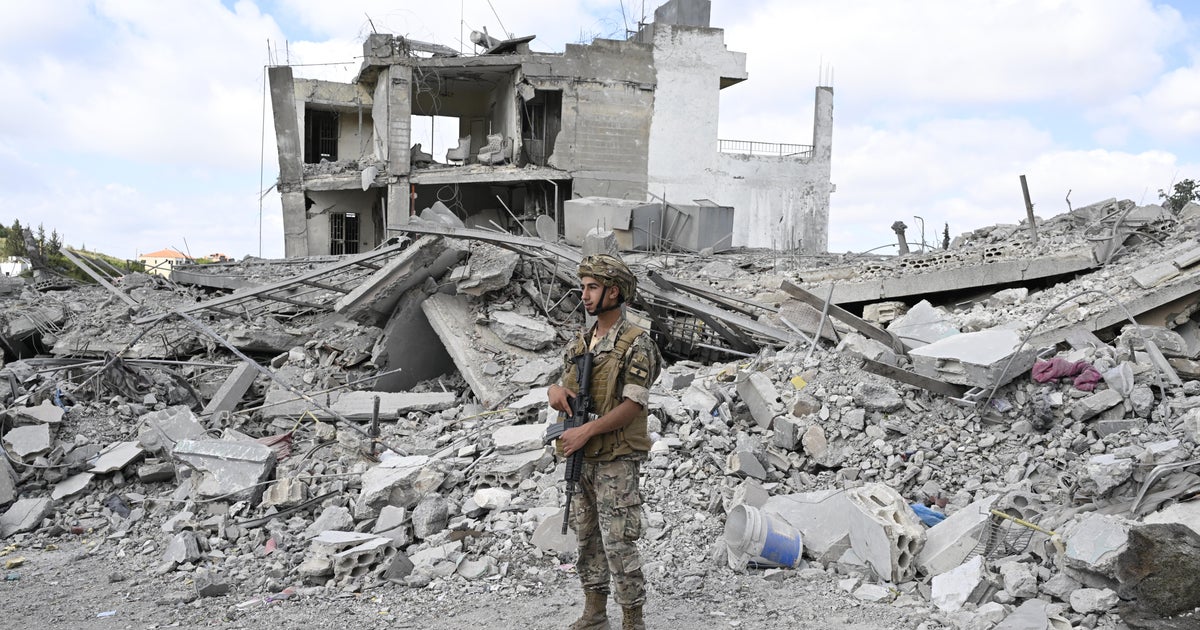
The U.S. and Iran are set to sign a memorandum of understanding on Friday in Switzerland, triggering a 60-day negotiation window on Iran's nuclear program while the Strait of Hormuz is expected to reopen. Brent crude fell to about $80 per barrel, down more than 3% intraday, as markets priced in easing supply risk; European equities also gained around 0.5%. However, the deal remains fragile amid disputes over sanctions relief, frozen Iranian assets, and Israel's continued military presence in southern Lebanon.
The market is correctly pricing a near-term de-escalation premium, but the bigger effect is a forced re-wiring of regional risk premia. If the Strait of Hormuz remains open, the first-order loser is implied volatility in crude and tanker names; the second-order loser is any equity basket that has been trading on a sustained energy-scare inflation impulse, especially European cyclicals with margin sensitivity to fuel and freight. The winner set is broader than oil consumers: lower input costs should mechanically aid airlines, transport, chemicals, and select industrials, while also easing pressure on inflation breakevens and giving policymakers more room to avoid overt tightening.
The unresolved issue is not the ceasefire headline, but enforcement asymmetry. Markets are assuming a linear move from truce to normalization, yet the most likely path is a series of localized violations that keep headline risk elevated without fully restoring the risk premium. That means the front end of the oil curve can mean-revert faster than the back end, creating a window where spot-priced winners outperform while long-duration beneficiaries lag. Defense contractors may also see a mixed reaction: a broad geopolitical unwind is negative, but a messy, partially enforced deal could preserve demand for missile defense, ISR, and munitions replenishment.
The contrarian view is that this is still underpricing political fragility. The deal looks structurally weak because each side is already claiming incompatible interpretations of who owes what, which raises the odds of a fast failure inside the 60-day negotiation window. If that happens, the unwind in oil could reverse violently in days, not months, because positioning has likely crowded into the peace trade; the asymmetry is better expressed via options than outright shorts.
On balance, the most actionable setup is to fade the immediate energy repricing while keeping convex upside to renewed conflict. The cleanest relative value is long transport/consumer beneficiaries versus short energy beta, paired with a cheap call spread on crude as a hedge. In defense, I would avoid chasing the broad sector lower until the enforcement mechanism is tested over multiple incidents, because even a "peace" framework can still support steady procurement and replenishment demand.
AI-powered research, real-time alerts, and portfolio analytics for institutional investors.
Request DemoOverall Sentiment
neutral
Sentiment Score
0.15
