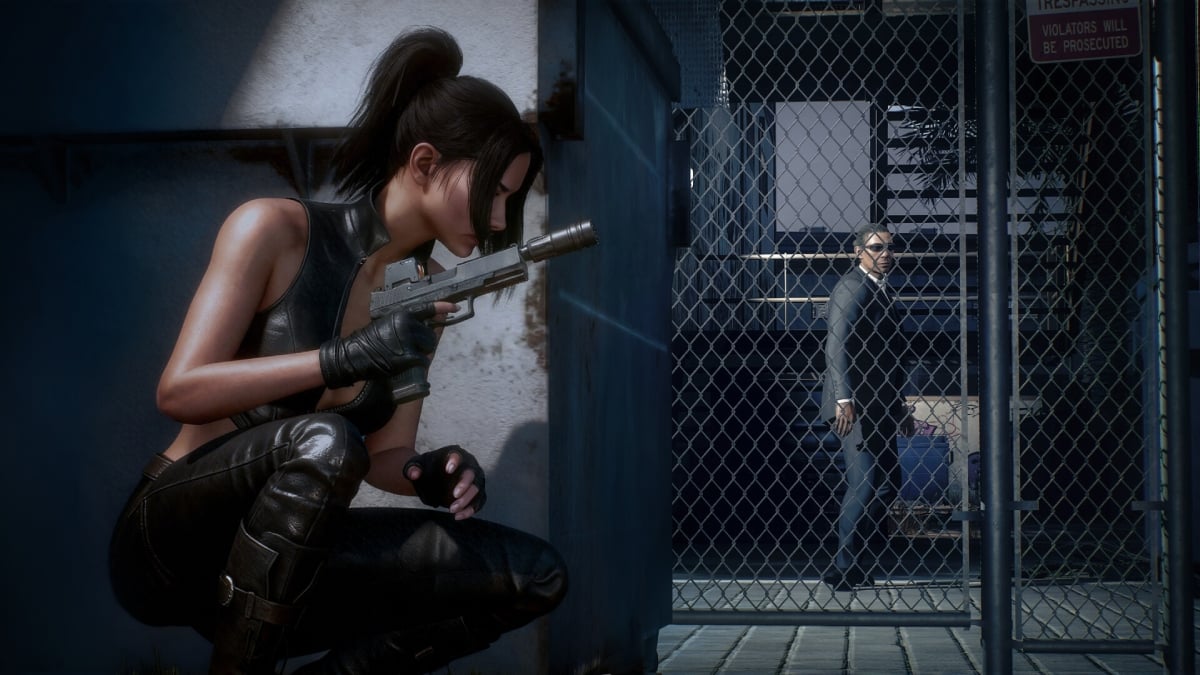
Build A Rocket Boy has reportedly laid off around 170 employees, leaving about 80 staff remaining after another major reduction following the launch of MindsEye. The company has not publicly announced the cuts yet, and this follows earlier redundancies tied to the game's troubled release and prior sabotage allegations. The news is clearly negative for the studio and its workforce, but broader market impact should be limited.
This is less a one-off studio failure than evidence that capital markets for mid-tier game developers are tightening sharply after a period of overfunding. The second-order read-through is that publishers, lenders, and platform partners will become materially less tolerant of execution risk, which should widen the dispersion between cash-generative IP owners and development-heavy, single-project studios. In practice, the market is now rewarding balance-sheet resilience and proven live-service monetization while penalizing companies that rely on one release cycle to reset the story.
The layoffs also signal an impairment of output quality over the next 12-24 months: when a studio sheds most of its team post-launch, the real damage is not the current title but the loss of institutional knowledge that makes the next project viable. That creates a compounding effect where bug fixes, content cadence, and community trust all deteriorate at once, increasing the probability of cancellation, write-downs, or a distressed sale at a steep discount. In a sector where a single delayed patch can erase months of engagement, the operating leverage works both ways.
The governance angle matters because repeated blame-shifting is typically the prelude to capital rationing. Once external stakeholders conclude management is more interested in narrative control than accountability, counterparties demand tighter milestones, milestone-based funding, or outright control rights; that can freeze hiring and extend time-to-market across the sector. The broader winner is not just competitors, but adjacent outsourcing vendors and service studios with cleaner delivery records, which may capture work as larger publishers de-risk production pipelines.
Consensus may be underestimating how quickly this becomes an M&A screen rather than an operating story. Distressed developers with recognizable IP can still trade above liquidation value if a strategic buyer wants talent or engine code, but the optionality is narrowing as layoffs hollow out the asset. The contrarian risk is that the market extrapolates too much bad news into all gaming names; the best-positioned operators with recurring revenue and strong release cadence should actually see valuation support as capital migrates toward quality.
AI-powered research, real-time alerts, and portfolio analytics for institutional investors.
Request DemoOverall Sentiment
strongly negative
Sentiment Score
-0.72
