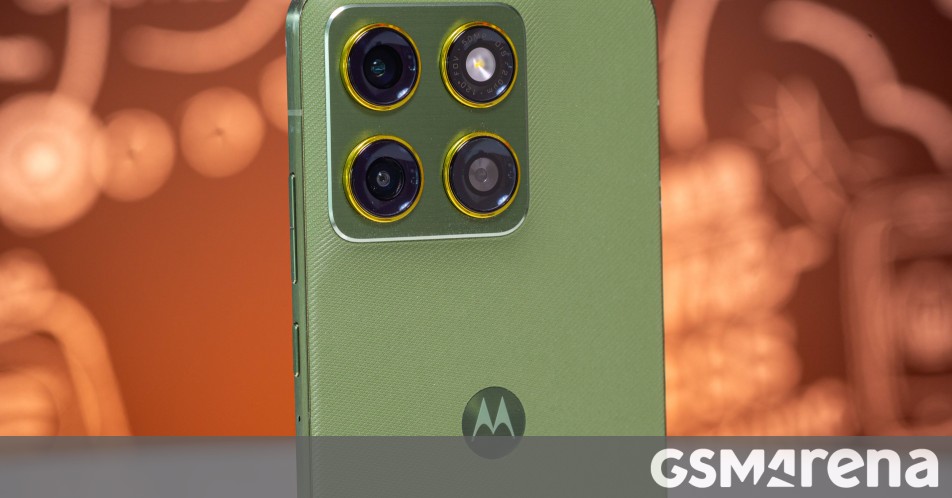
Motorola has opened Android 17 beta enrollment for a longer list of devices than last year, including the Motorola Edge (2025), Moto G57, and Moto G57 Power. The beta program is capacity-limited and requires applying through Motorola's community website, with the company warning the OS is unstable and not suitable as a daily driver. The article is primarily an update on product software support rather than a material financial event.
This is less about near-term handset demand and more about ecosystem lock-in. Early Android beta participation is a low-cost signal that manufacturers still need Google’s platform cadence to stay relevant, which structurally favors GOOGL: tighter OS integration tends to improve search, Gemini, and Play Services engagement while making it harder for OEMs to differentiate on software alone.
The second-order winner is the Android supply chain, not the OEM logos. Beta eligibility usually correlates with mid-to-premium devices and more engaged users, which can pull forward accessory attach, replacement cycles, and developer testing activity; that matters because software-forward buyers are the most profitable cohort for OEMs and carriers. The commercial value is mostly intangible now, but it increases the odds that Android 17 launches with fewer friction points, supporting a cleaner upgrade cycle into year-end.
SONY is only indirectly exposed, but the competitive overhang is still real: every incremental improvement in Android’s beta cadence raises the baseline expectation for software polish across non-Samsung Android devices. Sony’s mobile business is too small to move earnings, yet it remains a brand/strategic optionality asset; the risk is that continued commoditization of the Android experience reduces any remaining justification for sustaining the business. In that sense, this is mildly negative for weak OEMs and neutral-to-positive for platform owners.
The contrarian view is that beta expansion does not automatically translate into monetization. Historically, beta programs mostly serve enthusiasts, with limited conversion into broad upgrade demand; if Android 17 adds no visible consumer features, the event becomes a developer-signal rather than an earnings catalyst. That makes the move more relevant over months than days, and any stock impact should be filtered through whether Google uses the cycle to deepen AI integration or simply ships incremental polish.
AI-powered research, real-time alerts, and portfolio analytics for institutional investors.
Request DemoOverall Sentiment
neutral
Sentiment Score
0.10
Ticker Sentiment
