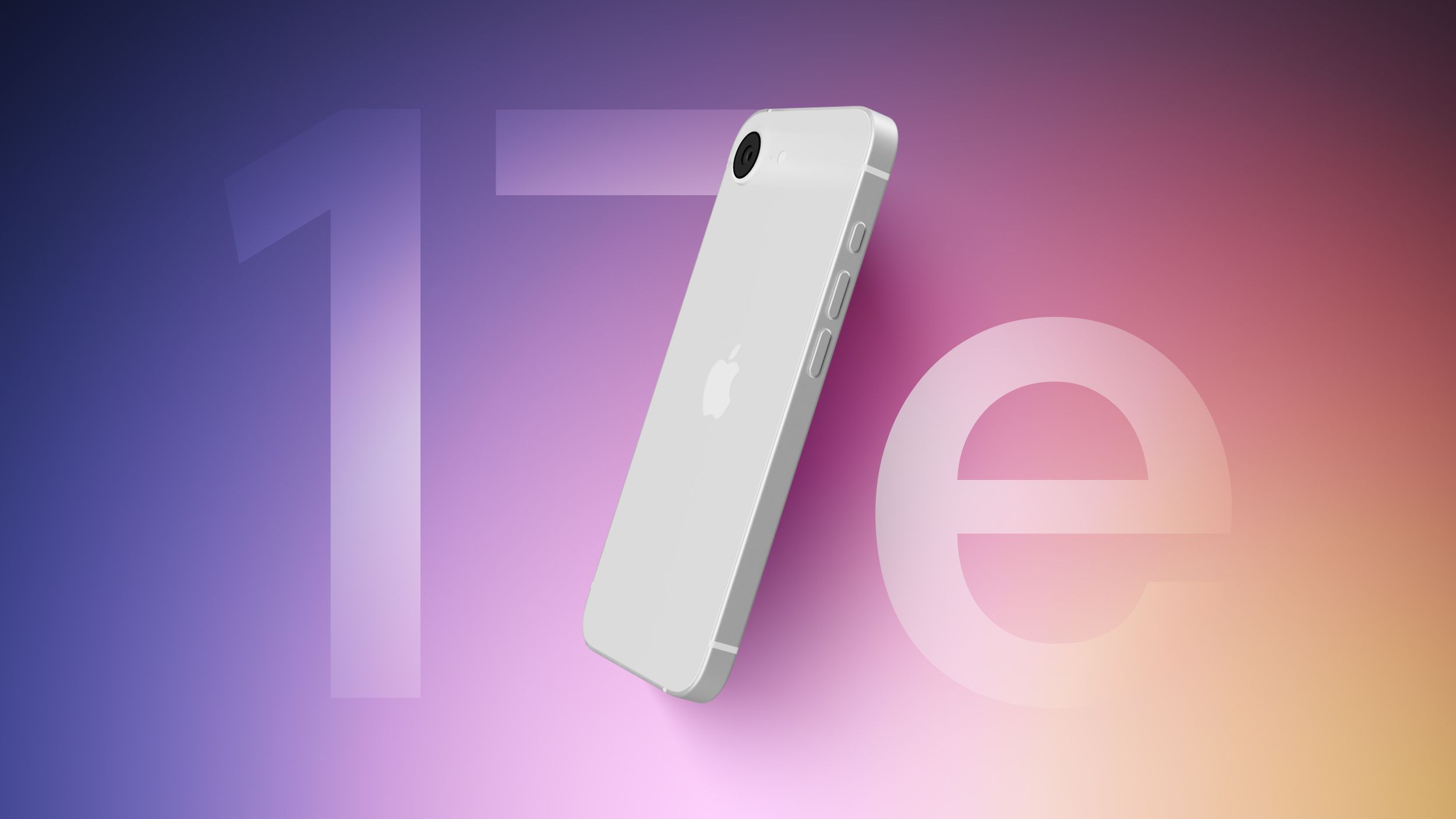
Apple is poised to launch the lower-cost iPhone 17e imminently, reportedly keeping the $599 entry price of the prior 16e while adding the A19 chip, MagSafe, the C1X cellular modem and N1 for Bluetooth/Wi‑Fi/Thread. The device is being positioned at emerging‑market and enterprise buyers and could gain share if competitors like Google and Samsung remain weak; a Feb. 19 unveiling has been reported. The combination of upgraded silicon and aggressive pricing could support unit growth in price‑sensitive segments, though this remains a product‑level development rather than a near-term revenue guidance change.
Market structure: Apple (AAPL) is the clear near-term winner — a $599 iPhone 17e with A19, C1X modem and MagSafe increases product competitiveness in emerging markets and enterprise channels and could boost unit volumes by an estimated 2–4% globally over 12 months while pressuring ASPs across the iPhone ladder. Android OEMs (Google hardware efforts, Samsung’s midrange lines) are the most exposed: weaker differentiation and higher prices create pricing pressure and potential share loss of 1–3% in targeted segments. Component suppliers to third‑party modems/comm chips will see demand reallocation; Intel (INTC) impact is likely neutral in short term but semiconductor peers (notably modem vendors) face downside.
Risk assessment: Tail risks include regulatory scrutiny (antitrust/enterprise lock-in) and integration defects in the C1X modem or early returns, each capable of a >5% move in AAPL over 3 months if realized. Timeline effects: immediate (days) — event-driven volatility around Feb 19 announcement; short-term (1–3 months) — sell‑through and initial guidance; long-term (4–12 months) — ASP mix and services monetization. Hidden dependencies: carrier subsidy programs, enterprise procurement cycles, and iOS 26.x features that change switching costs. Key catalysts: Feb 19 launch, first-weekend sell-through metrics, March–April iOS 26.4 rollout.
Trade implications: Prefer directional AAPL exposure ahead of Feb 19 with managed risk — establish 2–4% long AAPL positions target +10–15% over 3 months, stop-loss -8%. Consider a relative-value pair: long AAPL / short GOOGL (GOOG) sized 2:1 to express device win vs. Google hardware weakness. Options: buy 3‑month AAPL 10–12% OTM call spreads (debt-limited bullish) or sell near-term strangle if implied vol spikes post-announcement; avoid enlarging INTC exposure until clarity on modem-related content emerges.
Contrarian angles: Consensus underestimates cannibalization risk — the 17e may lift unit growth but compress ASPs and near-term margins by 1–3 percentage points if upgrade displacement from Air/Pro is material. Conversely, markets may underprice long-term margin upside from Apple’s in‑house modem and Wi‑Fi/Bluetooth integration (N1) which could save $5–15 per unit and accrue to gross margin over 12–24 months. Historical parallel: iPhone SE-style low‑cost launches expand TAM but create multi-quarter mix shocks; monitor first 30 days of shipment mix for mispricing opportunities.
AI-powered research, real-time alerts, and portfolio analytics for institutional investors.
Request DemoOverall Sentiment
mildly positive
Sentiment Score
0.28
Ticker Sentiment
