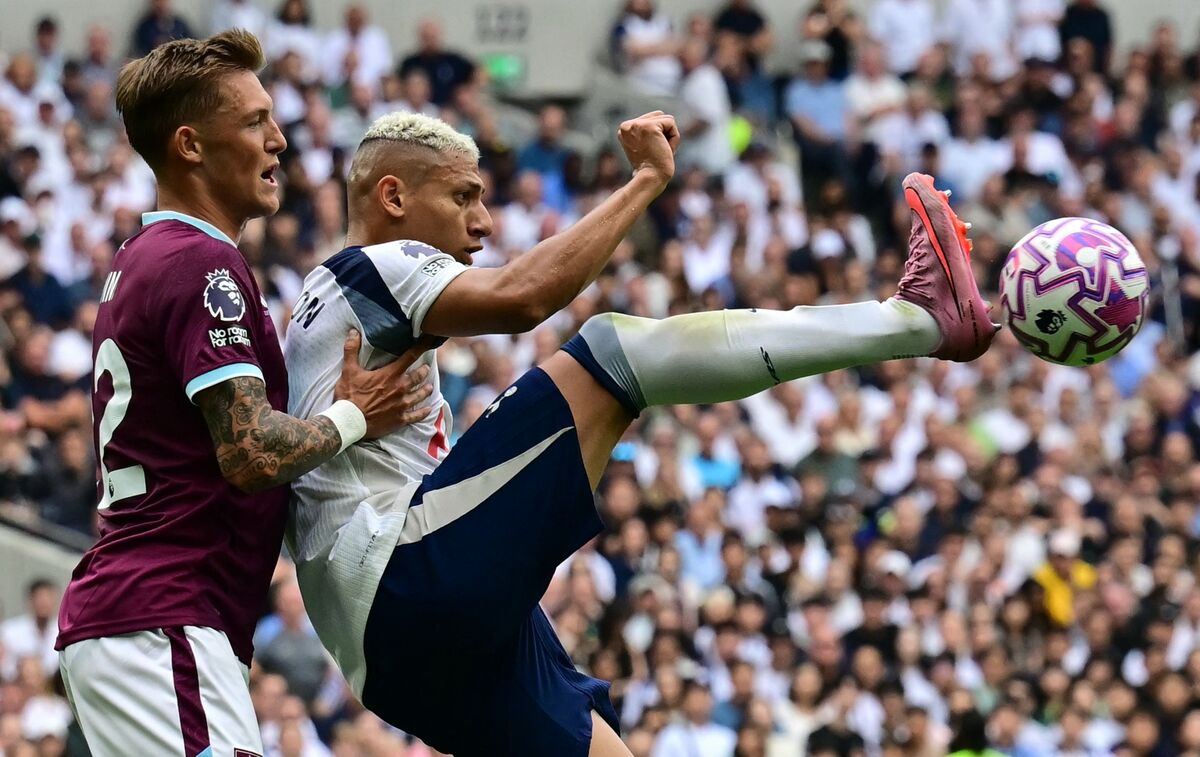
Tottenham Hotspur's owners unequivocally rejected two unsolicited expressions of interest in acquiring the London-based football club. The proposals, one from an investment fund controlled by Amanda Staveley and another from a group led by Roger Kennedy and Wing-Fai Ng, signal the current ownership's firm stance against a sale or their high valuation expectations for the asset.
Tottenham Hotspur's ownership has unequivocally rejected two separate, unsolicited expressions of interest to acquire the club. The proposals originated from an investment fund controlled by Amanda Staveley, previously involved with Newcastle United, and a distinct group led by Roger Kennedy and Wing-Fai Ng. This decisive refusal signals a strong conviction from the current owners to retain control, indicating either a complete unwillingness to sell at this time or that the offers failed to meet a substantial, undisclosed valuation threshold. The emergence of multiple interested parties highlights the continued strong M&A appetite for premier English football clubs as high-value assets, reinforcing the significant pricing power held by incumbent owners in the current market.
AI-powered research, real-time alerts, and portfolio analytics for institutional investors.
Request DemoOverall Sentiment
neutral
Sentiment Score
0.00
