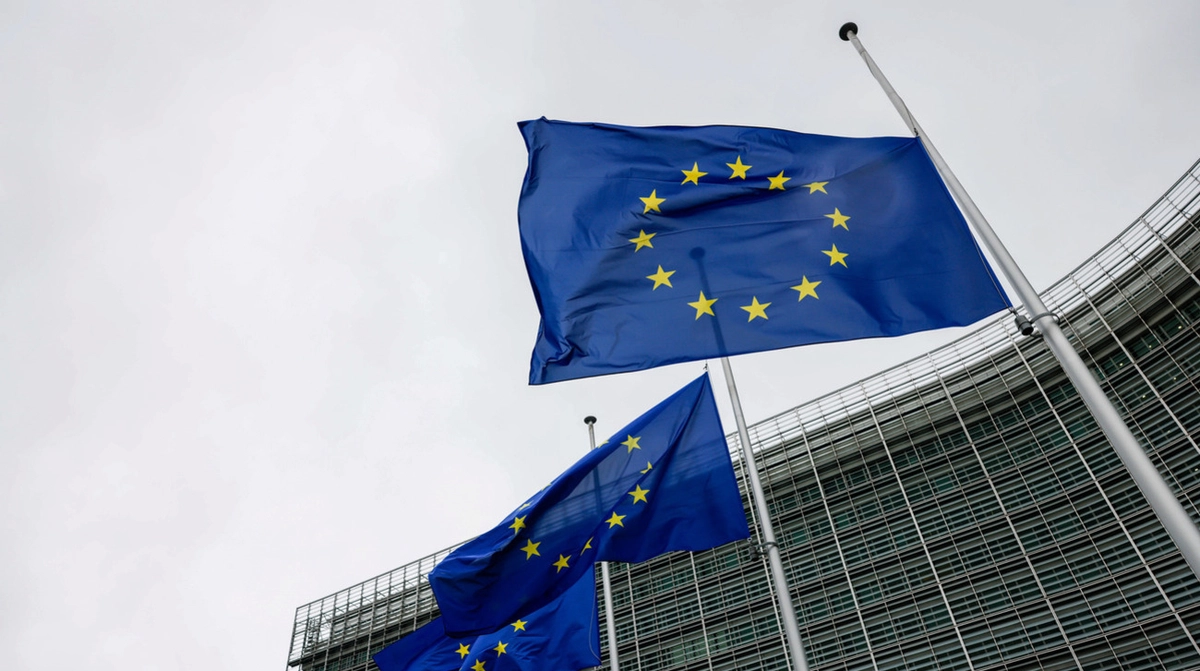
The EU is seeking to unblock a €90 billion loan package for Ukraine and the 20th Russia sanctions package as soon as possible after Viktor Orbán's election defeat. EU officials expect Hungary's position to remain unchanged until Péter Magyar takes office in early May 2026, but some concessions before then are still possible. The issues are expected to be discussed at Coreper and at an informal EU leaders' meeting in Nicosia on 23-24 April.
This is less about the headline package size than about removing a political overhang that has been depressing the probability-weighted path for Ukraine funding and EU sanctions durability. The market implication is a modest but real improvement in tail-risk pricing for Eastern European sovereign risk, EU defense supply chains, and any asset exposed to a prolonged freeze in Brussels decision-making. The key second-order effect is that a softer Hungary stance would reduce the discount on future EU consensus formation, which matters far beyond this specific file because it lowers the odds that single-country vetoes can repeatedly delay fiscal or sanctions actions. The near-term catalyst window is tight: the next two Coreper meetings and the late-April leaders’ gathering create a 1-3 week binary setup, but the true swing factor is whether Orbán extracts concessions before leaving office or simply reduces obstruction to preserve leverage with the incoming government. If concessions are minimal, the market should quickly reprice toward execution risk falling into May; if he hardens again, the entire thesis shifts from imminent release to another multi-week delay. That argues for treating this as a timing event, not a structural certainty. The contrarian angle is that the upside may be overstated if investors assume the new Hungarian government instantly unlocks everything. Even after a political transition, procedural sequencing and coalition bargaining can slow disbursement, so the first tradeable effect may be sentiment relief rather than immediate cash flow to Ukraine or a rapid sanctions tightening. More importantly, any delay keeps the financing burden closer to the EU core, which could marginally steepen peripheral spreads if the market starts to price more fiscal sharing friction. The broader winners are European defense and selected CEEMEA risk assets that benefit from a lower probability of policy paralysis, while the losers are any trades betting on prolonged intra-EU fragmentation. The most interesting second-order effect is that a successful unlock would strengthen the EU’s willingness to keep sanction pressure on Russia even if energy-related pushback persists, which can matter for shipping, commodity intermediaries, and oil-product arbitrage more than for headline energy prices.
AI-powered research, real-time alerts, and portfolio analytics for institutional investors.
Request DemoOverall Sentiment
neutral
Sentiment Score
0.10
