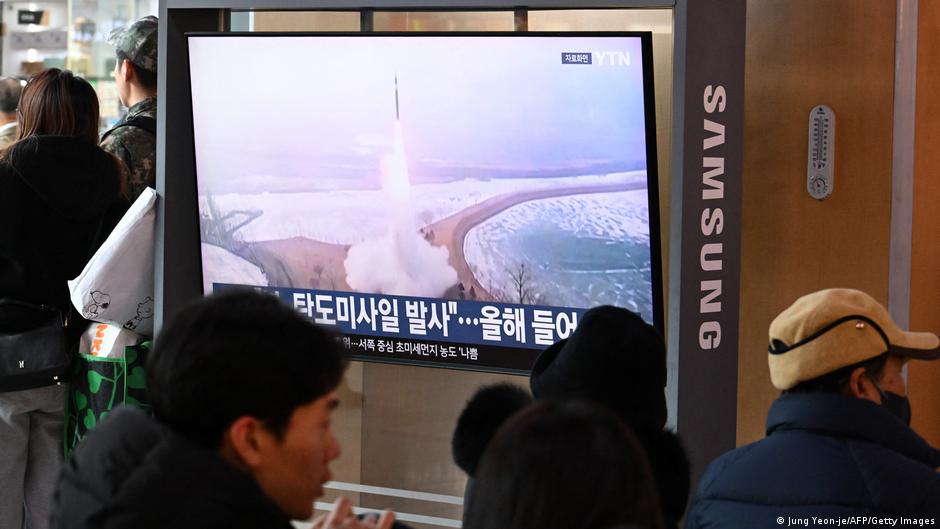
North Korea fired around 10 ballistic missiles toward the Sea of Japan (East Sea) at ~1:20 p.m. local time, according to South Korea's Joint Chiefs of Staff. The launches occurred amid US–South Korea spring military drills and follow Pyongyang warnings of "terrible consequences," raising short-term regional geopolitical risk. Expect elevated volatility, safe-haven flows and potential upside for defense-related assets; monitor allied military responses and any spillovers to trade or regional markets.
Escalatory signaling from Pyongyang is a near-term catalyst that reorders regional risk premia rather than creating new structural deficits. Expect a fast, measurable knee-jerk: local equity risk premia widen, Korean sovereign and corporate credit spreads tick higher, and FX hedging flows increase — all within days. Over 1–6 months, the more durable effect will be procurement timing: Seoul and Tokyo accelerate program decisioning and prioritize near-term capacity (sensors, interceptors, shipborne systems) that flows to specific supplier revenue streams.
Winners are concentrated suppliers with onshore production or offset agreements in Korea/Japan and prime contractors with modifiable production lines; losers are regional discretionary sectors and any exporters exposed to Korean supply-chain interruptions. Shipping and semiconductor fabrication could see transient logistics disruption risk, pushing marginal insurance and premium freight costs up for 2–8 weeks in chokepoints, raising input costs for nearby fabs. Politically, US policy signaling (diplomatic engagement vs containment) will be the dominant 1–3 month volume mover for risk assets.
Tail risks skew to escalation or a misfire causing collateral damage — low-probability but high-impact for regional markets and energy shipping lanes. De-escalation (diplomatic backchannels, mutually acceptable face-saving gestures) is the quickest reversal; budgetary and procurement effects are slower, often realized 6–18 months after initial shocks. Consensus currently underweights the timing mismatch: markets price immediate defense winners while actual contract flows and revenue recognition lag, creating a window to trade volatility and mispricings.
AI-powered research, real-time alerts, and portfolio analytics for institutional investors.
Request DemoOverall Sentiment
strongly negative
Sentiment Score
-0.60
