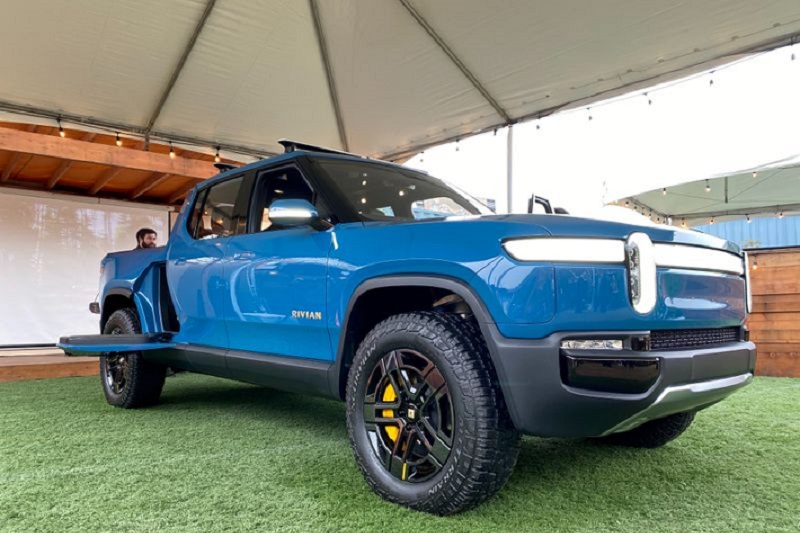
The NHTSA has opened an investigation into Rivian's rear toe link defect across about 115,000 R1 pickups and SUVs after two owner complaints, including one collision. Rivian says its data shows the parts are functioning as intended and it does not believe the component caused the incidents, but the probe follows an earlier recall of nearly 20,000 vehicles for the same part. The headline is mildly negative for RIVN, though the immediate market impact is likely limited unless the investigation expands.
This is less about the incident itself and more about path dependency in Rivian’s quality narrative. A second regulatory probe into the same suspension component increases the probability that the market starts assigning a higher expected warranty accrual, higher rework costs, and a longer certification/inspection cycle for every new unit delivered over the next 2-3 quarters. The immediate equity impact is usually dominated by headline risk, but the larger second-order effect is slower conversion of gross profit as management is forced to spend incremental cash on field fixes, legal defense, and supplier remediation rather than scaling manufacturing efficiency.
The real vulnerability is not one recall; it is the compounding effect on consumer trust at the exact point Rivian needs repeatable execution to justify its valuation. If owners perceive a safety defect rather than an isolated quality issue, referral rates, insurance pricing, and fleet procurement decisions can deteriorate before financial statements show it. That makes this a longer-duration negative catalyst than a typical one-day product headline, with the most material downside risk over the next 1-2 earnings prints if reserve guidance expands or delivery growth decelerates.
Consensus may be underestimating how asymmetric regulatory outcomes can be here. Even if Rivian ultimately avoids a major mandated recall, the probability-weighted outcome still pushes toward lower terminal margins because every incremental incident raises the bar for “good enough” on future launches. The contrarian bull case is that the market has already internalized a quality discount and that the stock only reacts materially if the probe broadens into a systemic manufacturing/process issue; absent that, the drawdown may fade once management demonstrates containment and customers keep taking delivery.
AI-powered research, real-time alerts, and portfolio analytics for institutional investors.
Request DemoOverall Sentiment
mildly negative
Sentiment Score
-0.25
Ticker Sentiment
