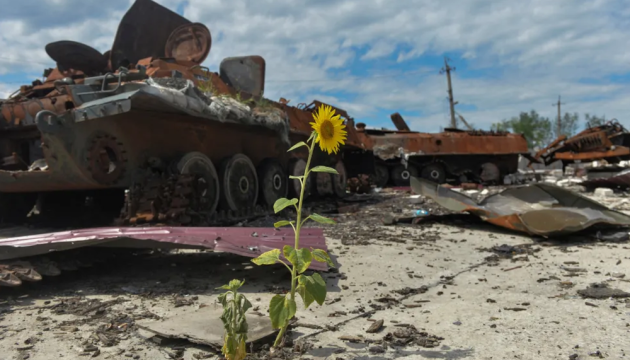
Ukraine’s General Staff said Russia’s war casualty toll rose by 1,560 over the past day as of May 31, 2026, alongside new reported Russian equipment losses including 2 tanks, 14 armored combat vehicles, 57 artillery systems, and 1,894 UAVs. The update also cited 232 front-line combat engagements on May 30, with the heaviest fighting in the Pokrovsk and Huliaipole sectors. The article is a factual battlefield report with limited direct market impact beyond defense and geopolitical risk sentiment.
The key market implication is not the headline casualty figure itself, but the continued degradation of Russian battlefield mobility and sustainment. Sustained losses in artillery, armored vehicles, and especially UAVs imply a widening replacement gap that forces Moscow toward lower-quality mobilization, higher maintenance burden, and shorter operational reach; that typically shows up first in logistics strain rather than a clean front-line collapse. For global markets, this keeps the conflict in a slow-burn escalation regime: no imminent shock, but persistent capex drag for Russia and intermittent risk premium for European defense and energy security assets.
Second-order beneficiaries are the defense supply chain and dual-use electronics ecosystem, not just prime contractors. High UAV attrition is a structural tailwind for counter-drone systems, EW, secure comms, thermal imaging, and munitions stockpile replenishment; the bottleneck increasingly shifts from headline platforms to sensors, batteries, semiconductors, and software integration. That means the trade is broader than tanks and artillery: companies with exposure to air-defense interceptors, drone defeat, and battlefield C4ISR should retain pricing power and backlog visibility even if front-line tempo oscillates.
The main risk is a false sense that attrition alone will force a strategic inflection within days. In practice, these dynamics matter over months, as they affect ammunition burn, convoy vulnerability, and the ability to rotate forces; a ceasefire initiative or supply interdict on either side could temporarily reverse the trend. The contrarian read is that persistent Russian losses may actually lengthen the war by convincing both sides they can still grind forward, which would prolong elevated defense spending and keep Europe’s industrial policy biased toward rearmament rather than de-escalation.
AI-powered research, real-time alerts, and portfolio analytics for institutional investors.
Request DemoOverall Sentiment
mildly negative
Sentiment Score
-0.20
