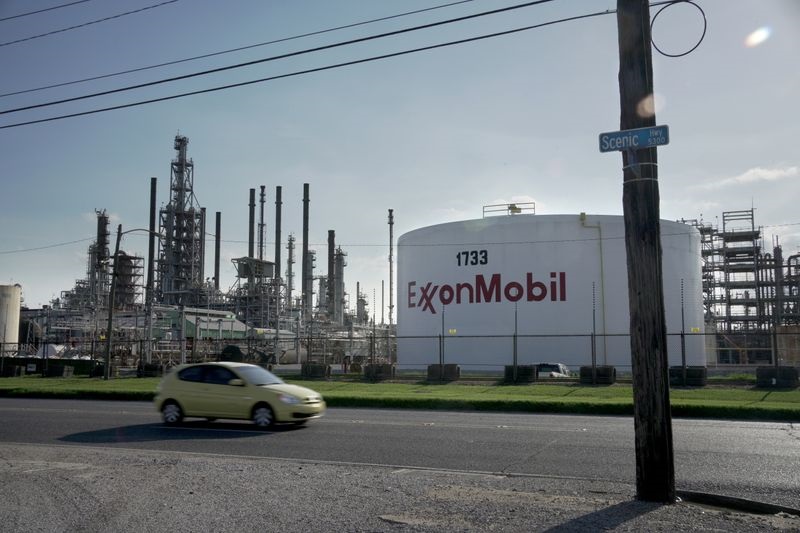
Energy CEOs from Exxon, Chevron and ConocoPhillips warned the White House that disruptions in the Strait of Hormuz tied to the Iran conflict could drive oil prices higher and trigger refined-fuel shortages, keeping markets volatile. The administration is considering measures including easing sanctions on Russian oil, releasing emergency crude reserves and boosting Venezuelan flows, though executives said reopening the Strait is the only durable fix. U.S. stock futures rose as investors tracked the Iran developments ahead of a key Fed meeting.
Immediate market mechanics point to a widening of refined-product cracks and crude-grade basis dispersion: lighter sweet barrels become a higher value marginally and heavy/sour differentials will likely widen by $3–$10/bbl over 30–90 days if logistical frictions persist. That favors short-cycle refiners with coker capacity and access to light sweet feedstock while penalising assets that are long heavy grades without upgrading capacity.
Shipping and insurance cost inflation is an underappreciated amplifier — a sustained rise in time-charter and insurance rates (days–weeks) will raise delivered fuel costs, push more crude into floating storage, and temporarily tighten availability on land, amplifying price volatility even if nominal supply recovers. Expect tangible margin transfer to tanker owners and P&I insurers within weeks, and a secondary impact on trading desks as carry markets invert.
Policy levers (strategic releases, sanctions waivers) can compress premiums rapidly; those are binary catalysts with 2–8 week tails that can unwind much of near-term risk premia. Conversely, a protracted disruption would shift structural pricing for 6–18 months, driving capital reallocation toward upgrading/refinery conversions and faster capex in US light-basin production.
From a security-selection lens, integrated majors will show defensive cashflow but limited rerating potential; pure refiners and short-cycle producers capture most margin upside. Volatility will favour option structures and relative-value pairs that isolate operational exposure from headline oil moves rather than naked directional crude bets.
AI-powered research, real-time alerts, and portfolio analytics for institutional investors.
Overall Sentiment
mildly negative
Sentiment Score
-0.25
Ticker Sentiment
