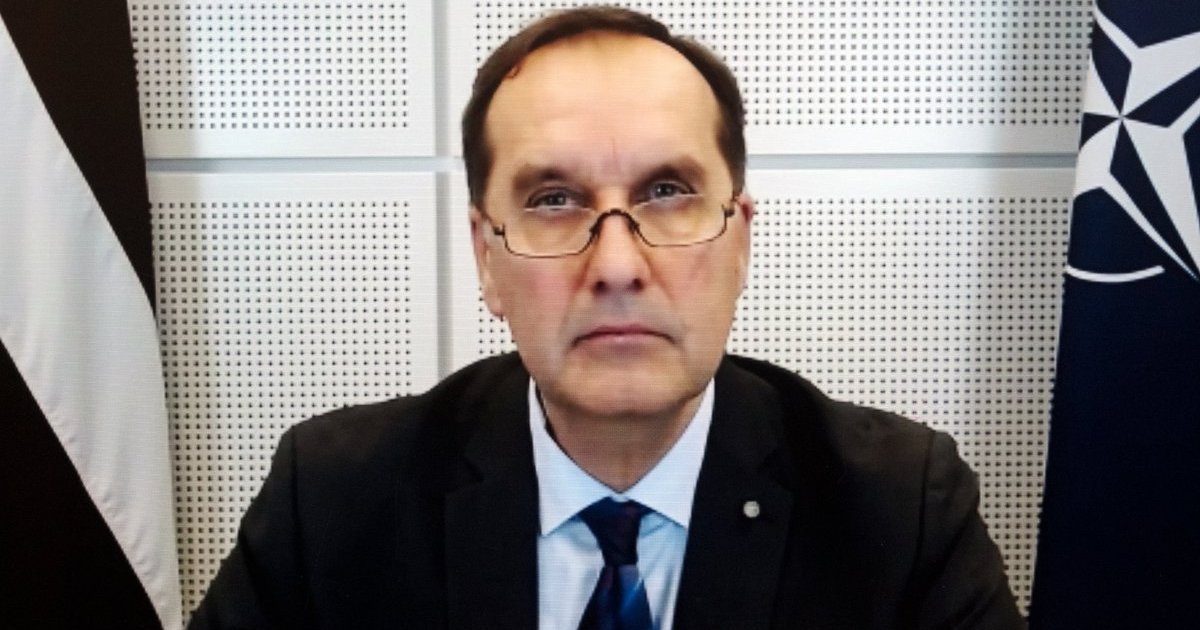
Latvia's Ambassador to NATO, Maris Riekstins, asserts that Russia is actively working to undermine Western support for Ukraine by fostering instability in democratic nations, with President Putin prepared for a protracted conflict and showing no signs of readiness for a serious peace process. Riekstins highlights Russia's increasingly strained economy, dependent on military orders, oil, and China, alongside its declining regional influence, as it seeks to induce 'social fatigue' in the West. He concludes that only significant military failure or economic collapse could compel Russia to negotiate, underscoring the long-term geopolitical and economic implications of this ongoing strategy.
The Latvian Ambassador to NATO, Maris Riekstins, indicates that Russia is actively pursuing a strategy to undermine Western unity and support for Ukraine by fostering instability and social fatigue in democratic nations. President Putin is reportedly prepared for a protracted conflict, potentially lasting years, and shows no current inclination towards a serious peace process, viewing military and economic pressure as the only potential catalysts for negotiation. Moscow's initial three-day war expectation has evolved into a conflict exceeding three years, with attacks on population and infrastructure deemed "desperate moves" rather than successful military tactics.
Russia's economy is increasingly strained, exhibiting growing dependence on military orders, oil trade, and support from China, a situation not initially planned by the Kremlin. Concurrently, Russia is experiencing a decline in regional influence across several key areas including Syria, Azerbaijan, Armenia, Moldova, and Central Asia. This strategic shift reflects a failure to achieve military objectives and a pivot towards destabilizing Western support.
This geopolitical stance suggests continued elevated risk for European stability and energy markets, as Russia's strategy aims to divert Western attention from Ukraine. The ambassador posits that only significant military failure or economic inability to sustain the war could compel Russia to engage in reconciliation, implying a prolonged period of uncertainty and potential for further geopolitical friction. There is no reason to trust the Russian leadership, which has consistently violated international law, making normal dialogue contingent on a return to civilized conduct.
AI-powered research, real-time alerts, and portfolio analytics for institutional investors.
Request DemoOverall Sentiment
strongly negative
Sentiment Score
-0.65
