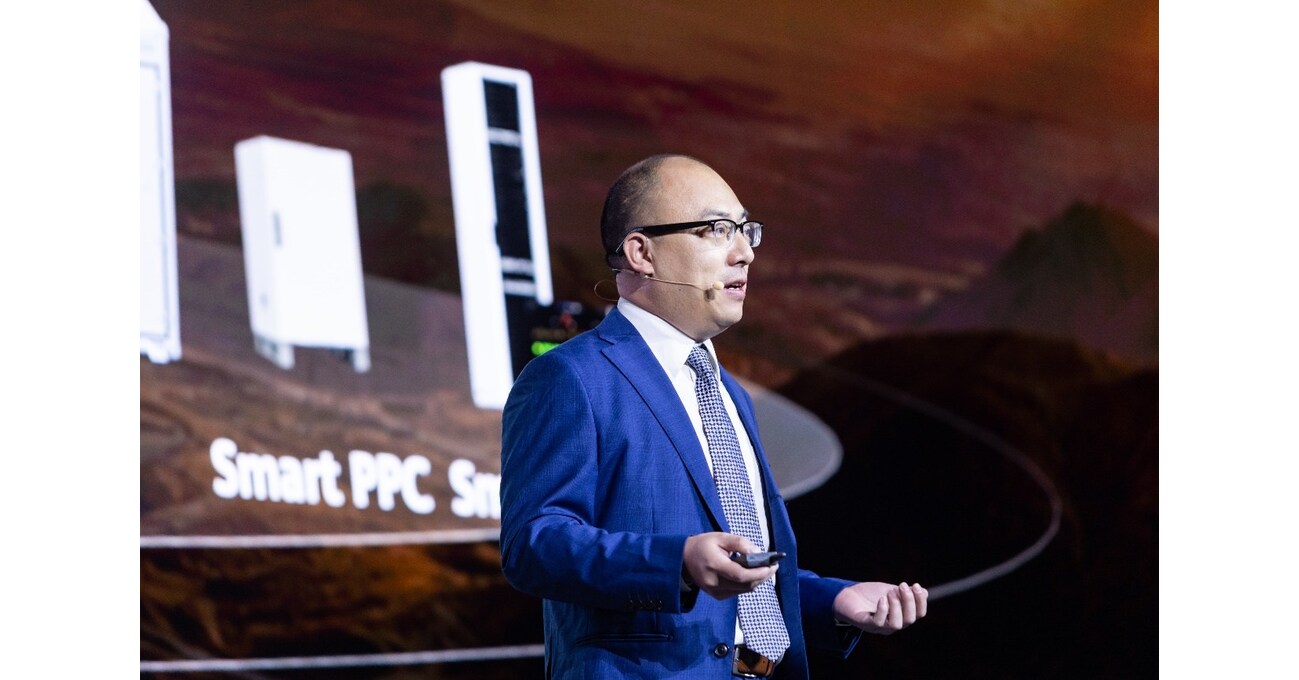
Huawei, Intersolar Europe’da tanıttığı LUTERRA Akıllı Dizi Şebeke Oluşturucu ESS platformu için tesis düzeyinde şebeke oluşturma (GFM) odaklı verim ve kurulum faydalarını öne çıkardı. 25°C’de PCS’nin alçak gerilim tarafında %93,1 verim ve SOC hassasiyetinde uçlarda %2,5, plato bölgesinde %3 hedeflenirken; çözümün RTE/uyumluluk/elde edilebilirlik dahil toplam verimi geleneksel çözümlere kıyasla %10’dan fazla artırdığı iddia ediliyor. 1 GWh ölçekli örnekte teslim süresini en az %30, BOP maliyetlerini en az %20 azaltıp alan kullanımını 1 m²/dizi birimi düşürdüğünü belirten Huawei, ayrıca SiC tabanlı mimariyle AC geriliminin 1000V AC’ye yükseltildiğini ve bunun kayıpları azaltıp verimi artıracağını söylüyor.
This reads less like a single-vendor product launch and more like an inflection point for utility-scale storage procurement: once grid-forming BESS moves from pilot validation to codified tender language, the value stack shifts from cells toward power electronics, controls, and bankability. That is good for suppliers with strong inverter, protection, and grid-code compliance franchises, but it is not automatically good for every storage OEM; as performance becomes more standardized, gross margins can compress even if market size expands.
The second-order effect is competitive pressure on Western pure-play storage integrators. If buyers begin to specify grid-forming, high-voltage, and black-start requirements as defaults, the winners are likely to be vertically integrated platforms with manufacturing scale and software depth, while smaller players face a tougher math on warranty risk and field-service burden. In Europe and MENA, that could support ABB/Siemens Energy/Schneider Electric-type grid infrastructure exposure more than standalone BESS names; in the supply chain, SiC, thermal management, and control electronics should see incremental content per MWh.
The key risk is adoption speed versus vendor lock-in. Technical proof does not equal revenue share: utility procurement will still hinge on third-party certifications, long-duration degradation data, and sanctions/bankability screens, especially in Europe. Near term, this is a 3-12 month watch item rather than an immediate catalyst; if grid operators start embedding GFM requirements into auctions over the next two tender cycles, the structural effect could last 6-18 months, but if awards remain concentrated in a single ecosystem, the broader market impact will be muted.
AI-powered research, real-time alerts, and portfolio analytics for institutional investors.
Request TrialOverall Sentiment
mildly positive
Sentiment Score
0.25
