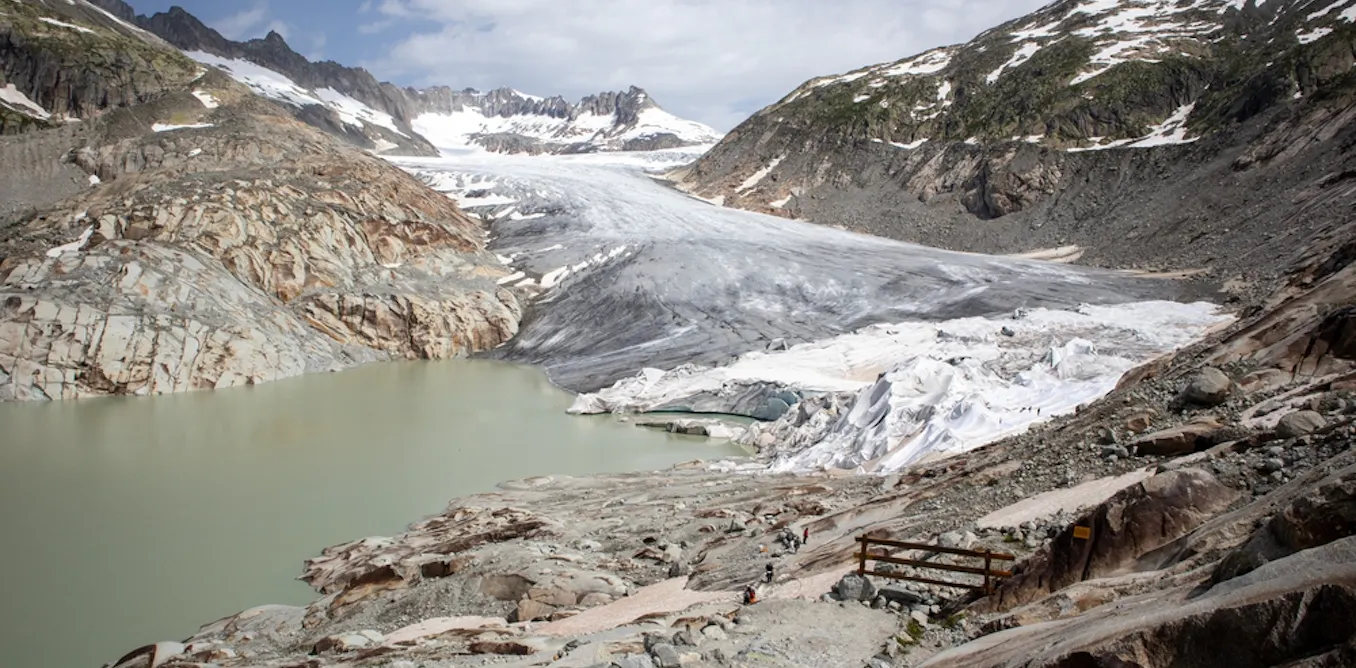
The article argues that disruptions around the Strait of Hormuz can have indirect but material effects on Switzerland through shipping, fertiliser supply, finance and migration. It highlights that roughly 1/5 of global oil and LNG transits the strait, while Iran, Qatar, Saudi Arabia, the UAE and Bahrain supplied 23% of global ammonia trade, 34% of urea trade and 18% of ammoniated phosphate trade in 2024. The main implication is slower shipping, higher black carbon emissions, tighter fertiliser availability and delayed long-term environmental investment, creating gradual headwinds rather than an immediate shock.
The market is underpricing how geopolitically induced friction shows up first in second-order cost channels, not headline GDP. The most immediate beneficiary set is not obvious defense or oil, but firms that monetize volatility in routing, insurance pricing, collateral, and trade finance: reinsurers, marine insurers, select banks with strong commodity and letters-of-credit franchises, and logistics platforms that can reprice faster than legacy incumbents. The lagged losers are carbon-intensive shippers, European fertilizer-linked agriculture, and industrials with brittle input substitution; margins compress before volumes visibly weaken.
The key transmission is time-lagged and asymmetric. Shipping reroutes and fertilizer scarcity hit within days to weeks, but the balance-sheet effects on farmers, insurers, and infrastructure compound over quarters as risk models update and working capital cycles lengthen. In Switzerland specifically, the more important issue is not direct exposure but “hidden beta” to global intermediation: a cautious capital regime can delay restoration, climate adaptation, and asset-allocation decisions even when local macro data look stable. That creates a subtle negative for long-duration ESG and green infrastructure themes that rely on patient capital.
The contrarian point is that some environmental effects may be net-positive locally in the short run, which could mask broader economic drag. Lower fertilizer use can improve runoff metrics and reduce remediation costs, so the consensus may overestimate purely negative ESG optics while underestimating agricultural output risk and land-use inflation. Conversely, the black-carbon angle is likely underpriced because it compounds climate sensitivity in alpine systems over multiple seasons rather than one headline event.
If tensions ease, the trade unwinds quickly in shipping and commodities but much more slowly in capital allocation and agricultural planning. That means the best risk/reward is in relative-value expressions, not outright macro shorts; the structural losers are those with low pricing power and high input dependence, while the winners are toll collectors on volatility.
AI-powered research, real-time alerts, and portfolio analytics for institutional investors.
Request TrialOverall Sentiment
mildly negative
Sentiment Score
-0.15
