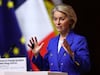
EU leaders met in Brussels to tackle soaring energy prices after the Strait of Hormuz closure and to press Viktor Orbán to approve a multi-billion dollar loan to keep Ukraine afloat. The European Commission is weighing short-term relief — lowering electricity taxes and modestly relaxing the emissions trading system — while reiterating long-term commitment to renewables. The summit’s firm endorsement of multilateralism in response to US/Israeli actions and Trump-driven international disorder increases political uncertainty and poses upside risk to energy and geopolitically sensitive markets.
EU policy reflexes — short-term tax cuts and ETS flexibility — create an asymmetric near-term shock: industrial power users get immediate relief while the structural decarbonization timetable slips. That combination should depress EUA carbon premia by compressing compliance cost expectations even as energy-price volatility keeps fossil-fuel margins elevated; model a 15–25% downside move in EUA front-months within 1–3 months if the Commission’s compromise lands close to current drafts.
A sustained security premium on shipping through the Strait of Hormuz and elevated geopolitical risk will favor marginal, flexible supply — LNG exporters, charter owners of FLNG/FSRU tonnage and companies with spare liquefaction capacity should see outsized cashflow optionality within 0–6 months. Contract re-pricing and spot-market arbitrage opportunities will particularly benefit players able to push cargoes into Europe on short notice and to capture large summer spreads.
Political fragmentation (funding stalls for Ukraine, Hungary’s leverage) lengthens tail exposure: a protracted stalemate raises the probability of either bilateral energy deals that undercut European spot pricing or of renewed sanctions and strategic stockpiling that widen spreads. Key catalysts to watch on tight timelines: Orbán’s domestic vote on the Ukraine loan (days–weeks), concrete ETS rule text (weeks), and Strait-of-Hormuz incident cadence (days–months). The market is underpricing the binary: either rapid policy relief (EUA down) or prolonged conflict-driven premia (LNG up).
AI-powered research, real-time alerts, and portfolio analytics for institutional investors.
Request DemoOverall Sentiment
mildly negative
Sentiment Score
-0.25
