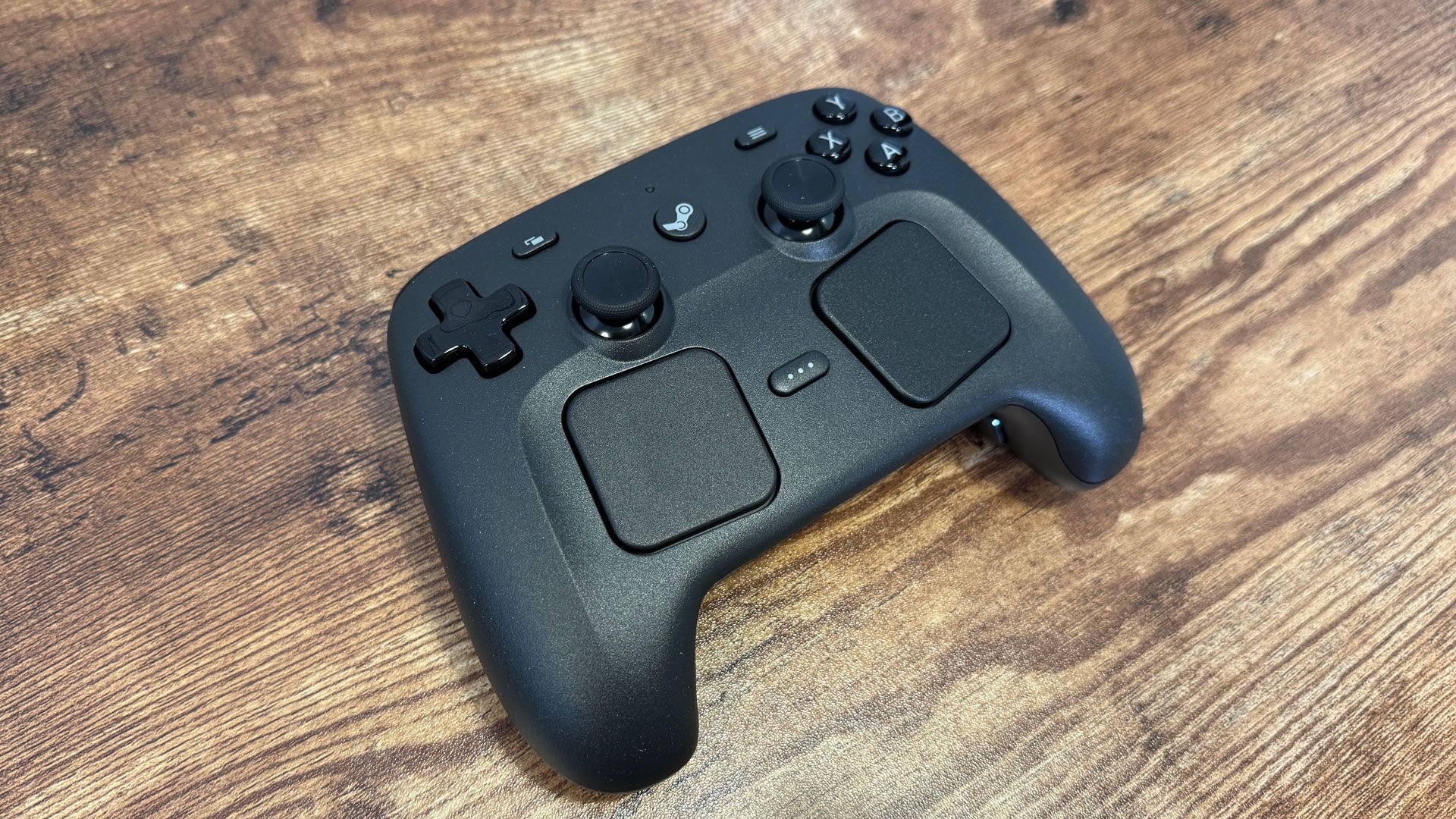
Valve is launching the $99 Steam Controller on Monday, May 4, positioning it as a Steam Deck-like gamepad for PCs, Macs, Steam Decks, and future Valve hardware. The controller adds Grip Sense and TMR joysticks to help with gyro use and stick drift, but omits a headphone jack and relies on Steam rather than kernel-level drivers. Pricing is affected by current economics and tariffs, though the article frames the release as a product-design update rather than a major financial event.
This is less a hardware launch than a distribution strategy: Valve is using the controller to deepen the “Steam as operating system” moat. The important second-order effect is that every incremental controller sold should raise engagement and transaction frequency inside Steam, which favors MSFT only indirectly via Windows usage but more directly strengthens Valve’s ecosystem lock-in versus Sony/Microsoft first-party controller-led accessory businesses. The lack of kernel drivers is a subtle but meaningful enterprise-style risk control choice: it reduces compatibility friction, but also caps adoption outside Steam and makes the product more of a walled-garden attachment than a broad PC standard.
From a competitive lens, the controller is most threatening to premium controller attach rates, not the base Xbox controller franchise. If the Steam Controller lands with PC enthusiasts, it can pressure higher-end add-on devices like Elite/DualSense Edge-style products by shifting demand toward software-defined inputs rather than hardware modularity. The missed headphone jack and limited out-of-box guidance suggest Valve is optimizing gross margin and support burden over mass-market convenience, which should keep adoption respectable among enthusiasts but likely prevents a breakout into the mainstream couch market.
The key catalyst is whether Valve can turn Steam Input into a habit rather than a feature. If tutorials and a possible Aperture Desk Job adaptation land well over the next 1-2 quarters, this could lift accessory attach and time spent in Steam, but absent that, the product risks becoming a niche buy for existing power users. The contrarian read is that the market may be overestimating the impact on Sony and underestimating the long-run benefit to Microsoft: Steam hardware that works best only when Steam is running further entrenches Windows as the default PC gaming substrate while keeping Valve’s ecosystem captured inside the OS layer rather than displacing it.
AI-powered research, real-time alerts, and portfolio analytics for institutional investors.
Request DemoOverall Sentiment
neutral
Sentiment Score
0.12
Ticker Sentiment
