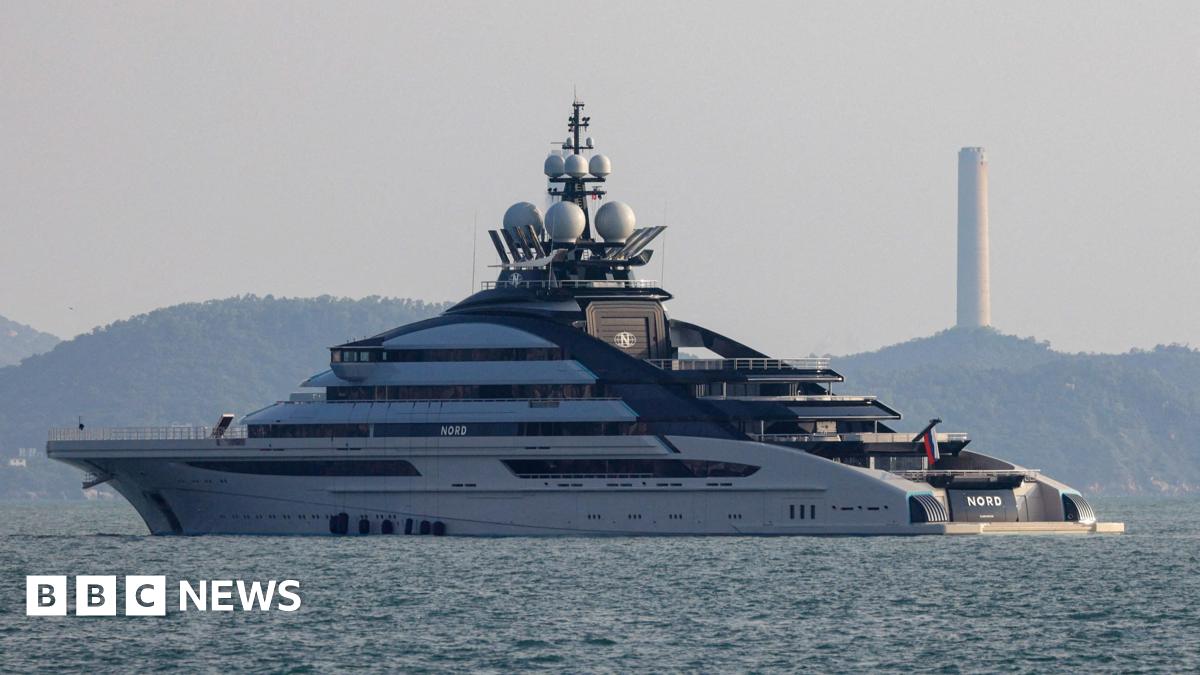
A 142m superyacht linked to sanctioned Russian billionaire Alexei Mordashov transited the Strait of Hormuz from Dubai to Muscat despite Iran's blockade, underscoring the fragility of shipping security in the region. The article notes that about one-fifth of global crude oil and LNG normally passes through the strait, and Brent crude rose to $109 a barrel amid the conflict. The passage highlights elevated geopolitical and sanctions risk for maritime traffic and energy markets.
The key market read-through is not the yacht itself; it is that Gulf chokepoint enforcement is becoming selective, negotiated, and therefore tradable. That creates a two-speed regime where sanctioned actors with political cover can still route assets and cargo, while everyone else pays up for compliance friction, insurance, and delay. The immediate winner is any jurisdiction, broker, insurer, or logistics provider capable of monetizing gray-zone access; the loser set is broader shipping, because the premium for "permissioned passage" becomes embedded in freight rates even if physical disruption is intermittent.
Energy is the more important second-order channel. If only a small share of normal traffic is moving, price is being set by tail-risk rather than barrels lost today, which tends to keep front-end crude elevated and vol bid even if the market knows actual outages are incomplete. That environment is usually bullish for integrated oil and tanker owners, but it is also a tax on refiners and fuel-sensitive cyclicals; the pain shows up first in crack spreads and then in industrial input margins over the next 2-6 weeks.
The contrarian angle is that headline blockade risk can be overstated if diplomatic signaling is already creating de facto corridors. A single visible transit through a contested route suggests backchannel exceptions are possible, which caps the upside in energy if market participants start fading worst-case supply-loss narratives. The real catalyst to watch is not the next airstrike headline but whether insurers, naval escorts, or port authorities formalize safer passage; if that happens, risk premium can unwind quickly and front-month crude could retrace sharply even without a meaningful change in geopolitics.
For sanctions, the message is that asset seizure risk remains highly regime-dependent and unevenly enforced, which will continue pushing sanctioned capital into Middle East and Asia havens. That is supportive for marina/port infrastructure and private-service providers in the Gulf, but it also raises reputational and secondary-sanctions risk for counterparties touching those flows. Any listed company with meaningful exposure to premium private maritime services could see margin expansion, but the flip side is abrupt compliance scrutiny if Western authorities decide to make an example of one transit.
AI-powered research, real-time alerts, and portfolio analytics for institutional investors.
Request DemoOverall Sentiment
mildly negative
Sentiment Score
-0.20
