




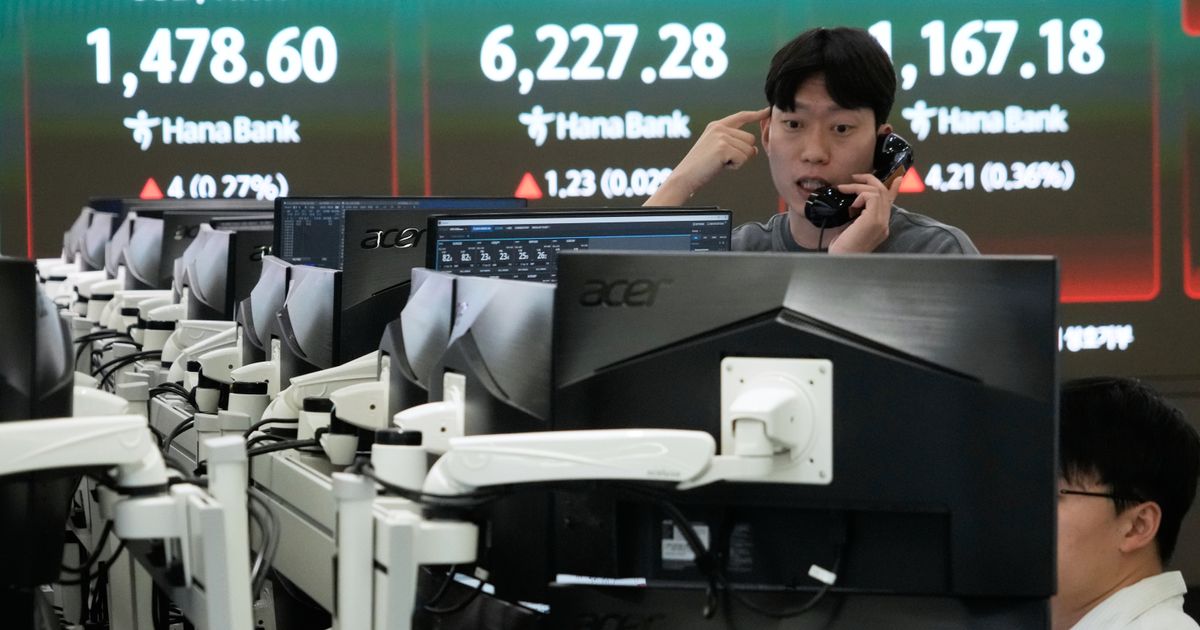
Oil prices plunged more than 10% after Iran said the Strait of Hormuz is open again for commercial tankers, with U.S. crude down 10.8% to $81.38 a barrel and Brent off 10.5% to $88.96. The easing in energy prices helped spark a broad risk-on rally, sending the S&P 500 up 1.3%, the Dow up 978 points, and the 10-year Treasury yield down to 4.23% from 4.32%. Fuel-intensive names led gains, including United Airlines up 8.8%, Norwegian Cruise Line up 7.8%, and Royal Caribbean up 9.5%.
The immediate beneficiary set is not just the obvious fuel-intensive consumer names; the bigger second-order trade is a repricing of inflation persistence. A sharp one-day move lower in crude can pull breakeven inflation and front-end yield expectations down faster than it changes realized CPI, which is why rate-sensitive equities can catch a bid before the macro data confirm anything. That makes this more of a duration and financing squeeze unwind than a pure “energy down, airlines up” rotation.
The most interesting asymmetry is in balance-sheet-sensitive cyclicals and lenders that depend on falling all-in borrowing costs, not just lower gasoline. Housing, autos, and discretionary credit names should respond more to the 2-6 week path of Treasury yields than to the oil move itself; if rates back up again, the market will quickly fade the relief rally. For travel, the immediate operating margin tailwind is real, but the cleaner edge is on forward demand elasticity: lower fuel costs plus lower mortgage/rate pressure can support consumer spending breadth, which benefits operators with high fixed costs and weak pricing power.
On the other side, the market is probably underestimating how quickly this can reverse. The Strait headline is a binary geopolitical valve, not a durable supply reform, so any renewed shipping disruption would hit both energy and cyclicals simultaneously, creating a correlated de-risking event. That argues for using this move to reduce exposure to names that are implicitly long stable oil and stable rates at the same time.
Netflix looks like the odd loser in a risk-on tape because it is being penalized less for earnings quality than for relative positioning: capital is rotating to names with immediate macro beta rather than to compounders with less operating leverage. If the rally broadens and rates keep falling, the market may rotate back into duration equities later, but near term the tape is rewarding immediate economic sensitivity over defensiveness.
AI-powered research, real-time alerts, and portfolio analytics for institutional investors.
Request TrialOverall Sentiment
moderately positive
Sentiment Score
0.62
Ticker Sentiment
