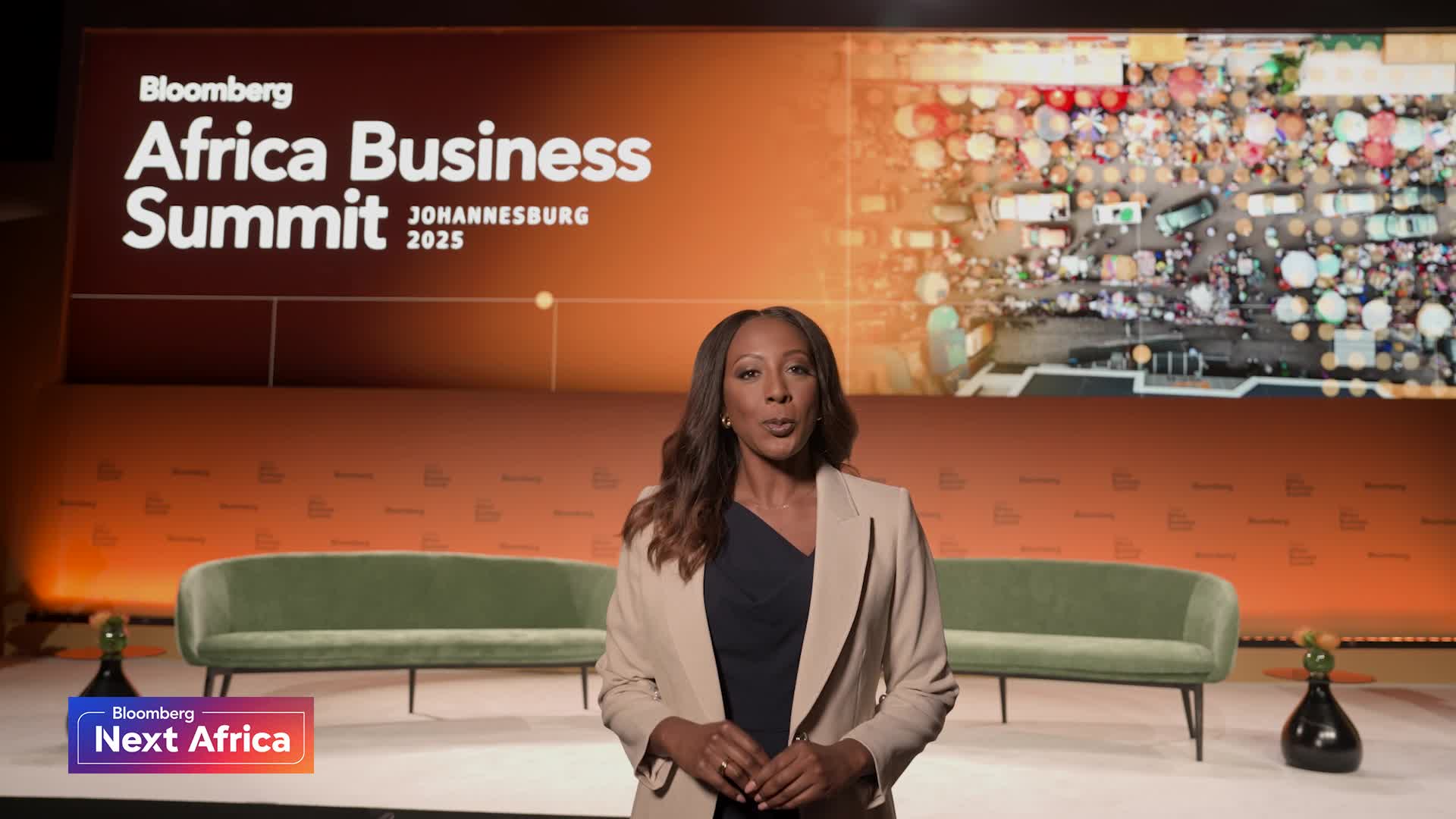
African business leaders stress the private sector and foreign capital as central to South Africa's and the continent's growth, noting intra‑African trade remains low at roughly 14–16% versus ~75% in Europe and South–South trade has risen from ~5% to ~20% of global trade. They urged localization and industrialization to retain raw materials in Africa, identified infrastructure, shipping/air cargo and banking corridors as key bottlenecks, and pointed to significant recent capital interest (including an cited ~200 billion EU gateway investment and ~200,000 South Africans employed by US firms) alongside AfCFTA and prospective bilateral FTAs as levers to scale exports.
Market structure: Rising South-South capital and AfCFTA-led regional integration favor African export-oriented miners (platinum, PGMs, copper), agri-processors and logistics/ports operators while pressuring pure domestic consumer plays. Expect 12–36 month market-share gains for vertically integrated miners (refining/processing in Africa) and port operators that reduce shipping/connectivity costs by 10–30%; exporters gain pricing power if intra-Africa trade rises from ~15% toward EU-like levels over years. Risk assessment: Tail risks include sustained Eskom-like power outages, abrupt capital withdrawal, or adverse policy moves (e.g., accelerated resource nationalization) — each could wipe out 20–40% of equity value in affected names within weeks. Near term (0–3 months) sentiment moves on trade deals and shipping rates; medium (3–12 months) depends on FDI flows and AfCFTA implementation; long term (1–5 years) on infrastructure financing and localization of value chains. Trade implications: Direct plays: overweight African materials, industrials, banks and logistics; underweight discretionary domestic consumption. Cross-asset: stronger FDI and trade should tighten SA 10y spreads by 50–150bps if sustained, put upside pressure on ZAR vs USD, and lift commodity spot prices for bulk/agri over 6–24 months as processing localizes. Contrarian: Consensus underestimates speed of South-South FDI (already ~20% of trade) and Middle East capital into African infra; early mover advantage is real but avoid names reliant solely on exports of raw ores. Beware crowding into large miner longs — the market may have already priced a partial recovery; prefer integrated processors and logistics with clear domestic moats.
AI-powered research, real-time alerts, and portfolio analytics for institutional investors.
Overall Sentiment
mildly positive
Sentiment Score
0.32
