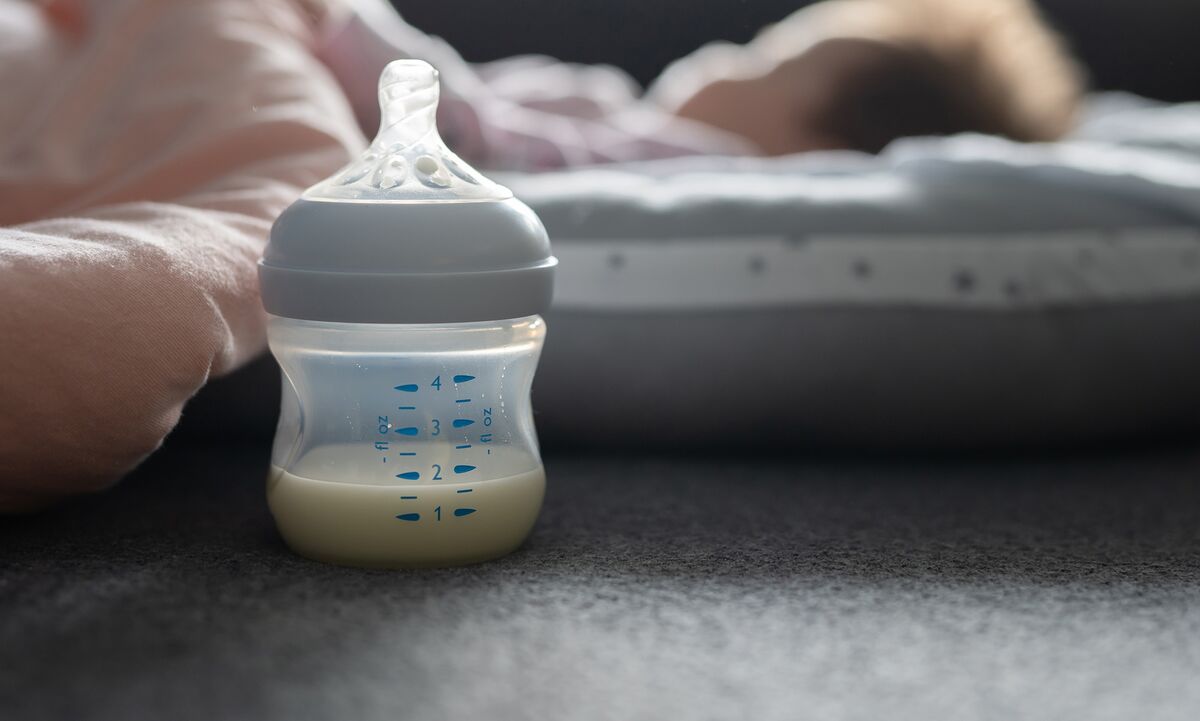
Large-scale FDA testing of infant formula found the overwhelming majority of samples were not contaminated with heavy metals or pesticides. The results are a positive for infant formula makers including Abbott Laboratories, Reckitt Benckiser, Perrigo and Bobbie Baby, although the findings were not broken out by company. The article suggests reduced regulatory and reputational risk for the sector rather than a major catalyst.
The near-zero finding matters less as a one-day relief headline and more as a reduction in regulatory overhang for the largest incumbents. For formula makers, the key second-order effect is that compliance scrutiny likely shifts from existential contamination fears toward labeling, sourcing, and process documentation, which is a much slower and more manageable fight. That favors scaled players with centralized quality systems and supply-chain redundancy, while smaller brands that compete on trust and niche positioning may need to spend more on testing and traceability to defend shelf space.
ABT and PRGO should benefit disproportionately because the market had room to price in a downside scenario that now looks less likely over the next 6-12 months. The more important question is not whether products are clean today, but whether this review becomes a rolling audit cycle that raises opex and slows SKU innovation; that is modestly negative for margins but positive for moat, since compliance costs are fixed and scale better across larger volume bases. If regulators keep testing and publishing results, the information asymmetry advantage should accrue to incumbents with the best internal controls.
The main contrarian risk is that the political narrative can still turn even after a favorable data point, especially if a future batch or narrower sample hits on outliers. That means the stock reaction could be underdone if investors treat this as a one-off and ignore that it lowers the probability of a harsher enforcement regime in the next few quarters. A reversal would likely require either a high-profile contamination incident or a broader anti-ingredient push that moves from metals/pesticides to emulsifiers, seed oils, or additives, which would widen the regulatory aperture and extend the timeline from months to years.
AI-powered research, real-time alerts, and portfolio analytics for institutional investors.
Request DemoOverall Sentiment
mildly positive
Sentiment Score
0.20
Ticker Sentiment
