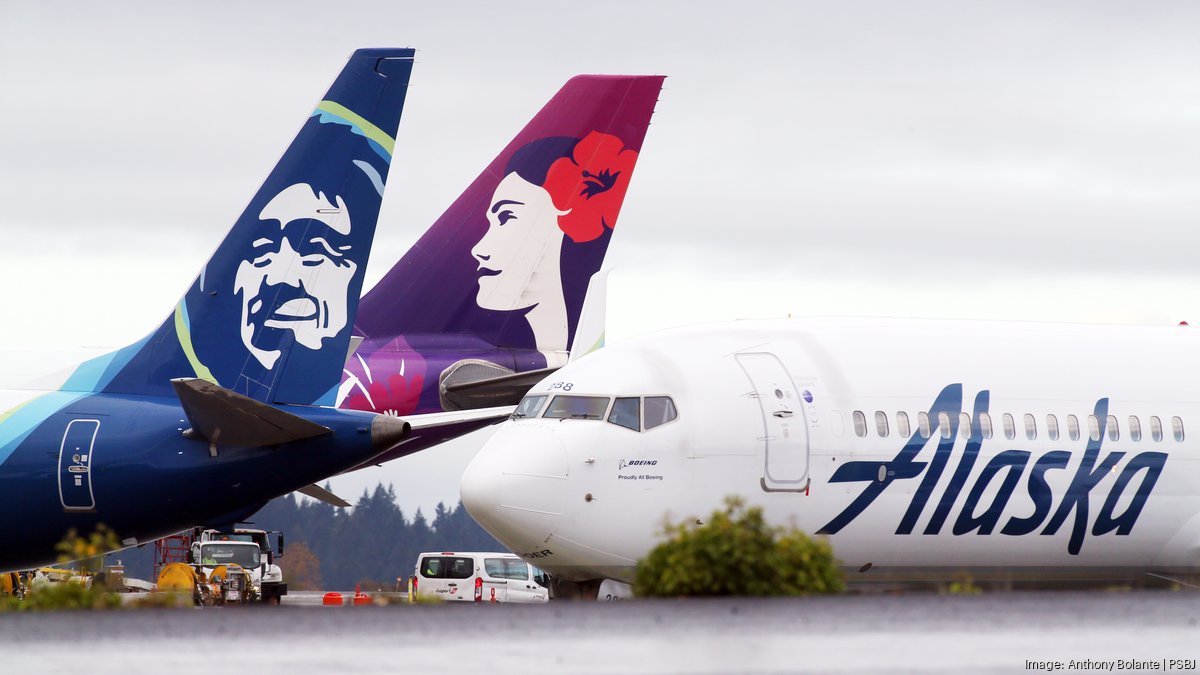
Alaska Air Group's Honolulu carrier has completed its passenger service system integration with Alaska Airlines, clearing a key operational milestone. The airline's first global alliance membership follows this integration, with only labor agreements still unfinished. The update is modestly positive as it improves network and operating alignment, but it does not include a major financial metric or near-term earnings catalyst.
The strategic read-through is less about the alliance badge itself and more about distribution leverage: once the systems layer is integrated, the carrier can start monetizing a broader network with materially lower friction at the point of sale. That tends to improve load factor quality before it shows up in headline traffic, because alliance feed disproportionately boosts long-haul and premium-cabin mix rather than just volume. The second-order winner is the larger network partner, which can use the alliance to improve itinerary depth and defend share against mainland hubs without having to add aircraft immediately.
For competitors, the pressure is subtler but real: smaller West Coast and Asia-facing carriers lose some pricing power on connecting itineraries, especially where schedule frequency matters more than brand. This also increases the probability of incremental code-share and loyalty redemptions shifting into the integrated ecosystem over the next 2-6 quarters, which can compress unit revenue for non-aligned operators on overlapping routes. The operational takeaway is that IT integration completion removes a common excuse for execution slippage, so the market should start grading management on revenue synergies and labor closure, not platform readiness.
The main risk is that labor remains the gating item. In airline integrations, labor friction can delay synergy capture by 6-18 months and create a temporary earnings overhang even when the commercial story is improving. The contrarian angle is that the market may be underestimating how quickly alliance membership can translate into higher loyalty engagement and better ancillary monetization, but overestimating how cleanly that benefit drops to EBITDA if labor negotiations turn noisy. Watch for any operational disruption or wage concessions elsewhere in the network; those would likely matter more to margins than the alliance announcement itself.
AI-powered research, real-time alerts, and portfolio analytics for institutional investors.
Request DemoOverall Sentiment
mildly positive
Sentiment Score
0.20
