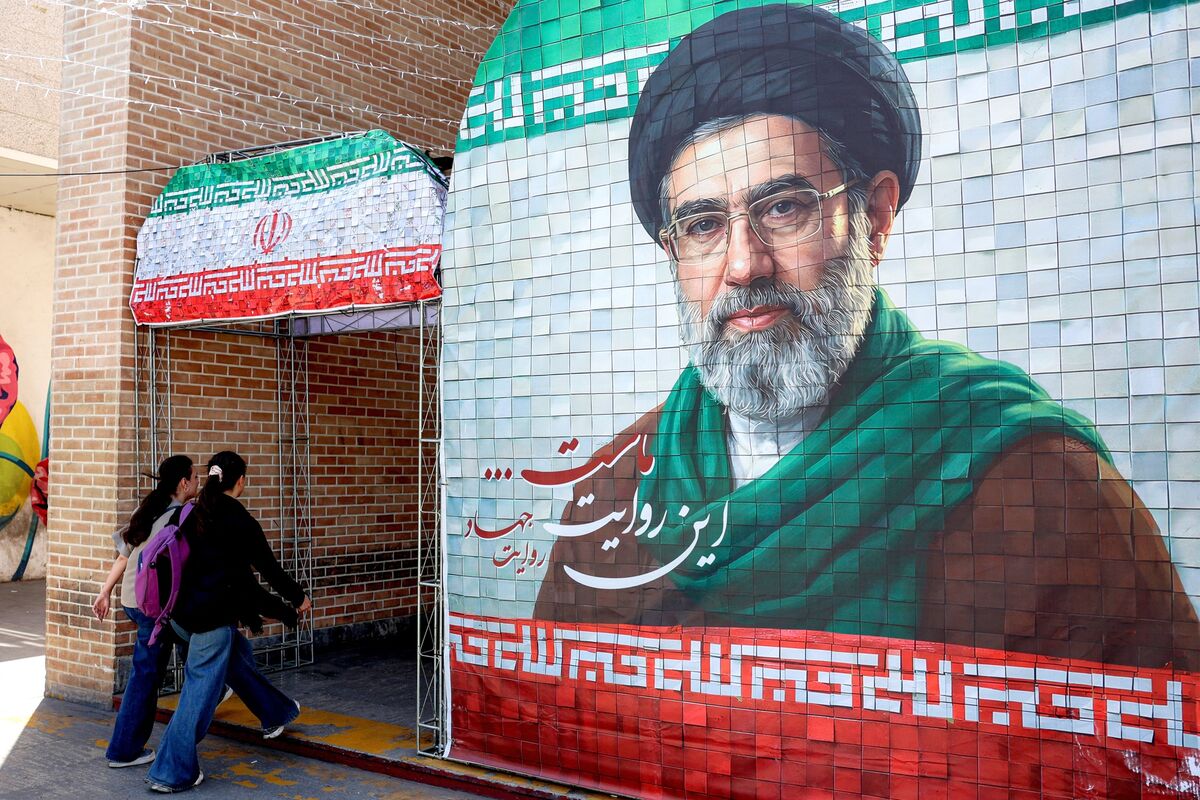
US and Iranian forces clashed overnight as negotiations remain stuck on two key issues: safe passage of ships through the Strait of Hormuz and Iran’s $24 billion in frozen assets. The US said it carried out self-defense strikes on missile sites and boats attempting to lay mines, while Iran said it fired on an F-35 and drones entering its airspace. The renewed military friction and uncertainty over maritime access raise geopolitical risk for energy and shipping markets.
This is less about the headline clash itself and more about the premium it adds to every marginal voyage through the Strait. Even a short-lived increase in escorting and self-insurance costs can tighten effective tanker supply, because ships slow, reroute, or wait for convoy windows; that creates a near-term rate spike that can persist for days to weeks even if the diplomatic backdrop later improves. The first-order beneficiaries are not just crude producers but the entire maritime risk stack: tanker owners, marine insurers, port-security contractors, and select defense names tied to ISR, EW, and missile defense.
The bigger second-order effect is on inventory behavior. Refiners and commodity merchants will front-load physical coverage if they believe passage risk is asymmetric, which can temporarily lift prompt crude differentials and marine fuel spreads without requiring a full-blown supply shock. That matters because the market often underprices logistics friction relative to headline supply losses; a 5-10% move in freight or insurance can translate into a much larger move in delivered landed cost for Asian buyers, especially if convoying becomes a recurring operating feature.
The tail risk is a negotiation breakdown that turns a manageable corridor issue into a broader sanction-and-retaliation cycle. That would likely show up first in implied volatility across energy, shipping, and defense rather than in spot oil alone; the cleaner tell is if vessel transit times remain elevated for more than 2-3 weeks. Conversely, any credible asset-release framework or formalized passage protocol would deflate the risk premium quickly, making this a timing-sensitive trade rather than a secular thesis.
Consensus may be too focused on crude direction and not enough on the asymmetric winners from friction. If the market assumes "no major disruption" and therefore bids down risk assets too quickly, freight and insurance names can still rerate because even modest operational constraints improve pricing power. The underappreciated contrarian angle is that limited, managed tension can be more profitable for logistics and defense than a dramatic escalation, which would invite policy intervention and cap the move.
AI-powered research, real-time alerts, and portfolio analytics for institutional investors.
Request DemoOverall Sentiment
moderately negative
Sentiment Score
-0.45
