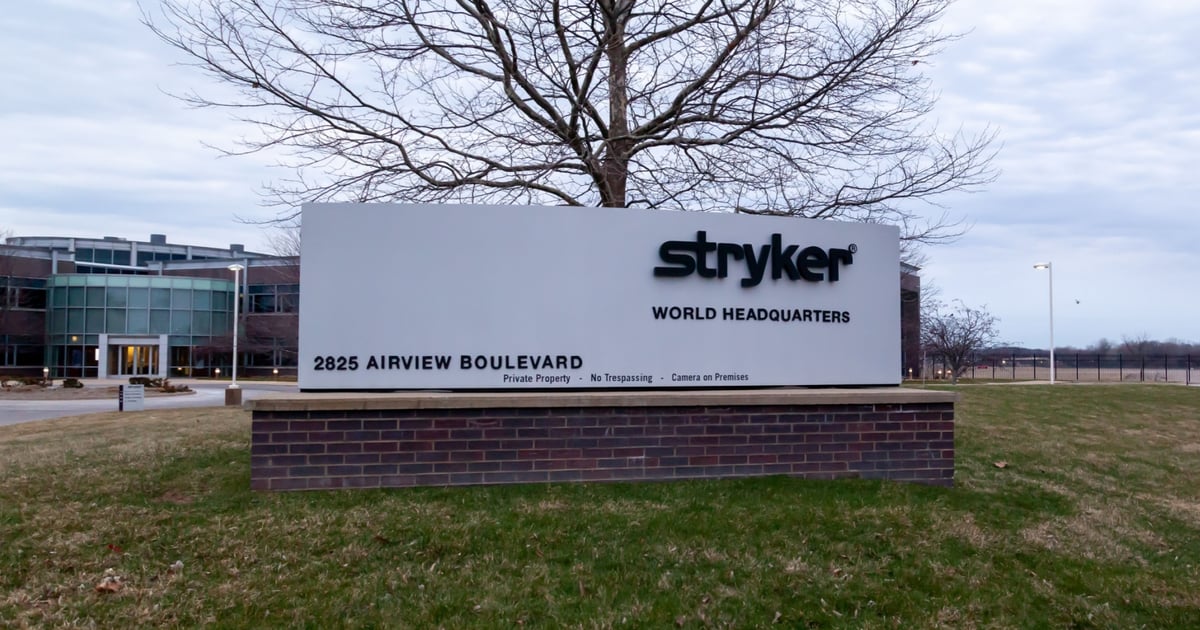
Stryker (revenue $25B) suffered a reported Iranian-linked wiper attack in which the Handala group claims ~200,000 systems were wiped, 50TB of data exfiltrated and operations across 79 countries were affected; Stryker says a global Microsoft-environment disruption is contained and key medical devices remain safe. Security experts warn this event exposes systemic BCDR weaknesses—identity, endpoints and backups can fail together—and recommend immutable/isolated backups, Infrastructure-as-Code for rapid restores, strict segregation of global admin privileges and out-of-band communications as immediate mitigations.
This incident crystallizes a two-stage reallocation of enterprise spend: an immediate surge in tactical incident response and managed recovery (weeks–months) followed by a multi-year structural lift to immutable backup, air-gapped recovery, and identity-segregation tooling. Expect RFP cycles that historically take 6–12 months to compress to 2–6 months for environments classified as “mission critical” by healthcare and regulated industries; incremental spend could be 5–10% of annual enterprise security budgets in the first 12–24 months for those customers.
For medtech OEMs, the competitive effect is asymmetric. Firms that can operate autonomously at device-level (embedded controls, on-device logging, offline fail-safes) will win share from those that require corporate connectivity or cloud recovery windows; meanwhile, warranty reserves, service-level renegotiations, and longer procurement lead-times will pressure near-term margins for exposed incumbents. Pricing power for aftermarket service and on-site support rises, favoring players with large installed bases and global service footprints.
From a market-risk perspective, the primary tail is escalation of state-sponsored campaigning against commercial tech infrastructure over a 3–12 month horizon; a wave of similar wiper events would re-rate cyber-insurance pricing and vendor multiples. Reversal catalysts include clear attribution plus credible deterrence/diplomacy (which could calm risk premia in weeks) or vendor-led, demonstrable rollout of out-of-band recovery capabilities (which re-rates selected vendors over 6–18 months).
AI-powered research, real-time alerts, and portfolio analytics for institutional investors.
Request DemoOverall Sentiment
strongly negative
Sentiment Score
-0.60
Ticker Sentiment
