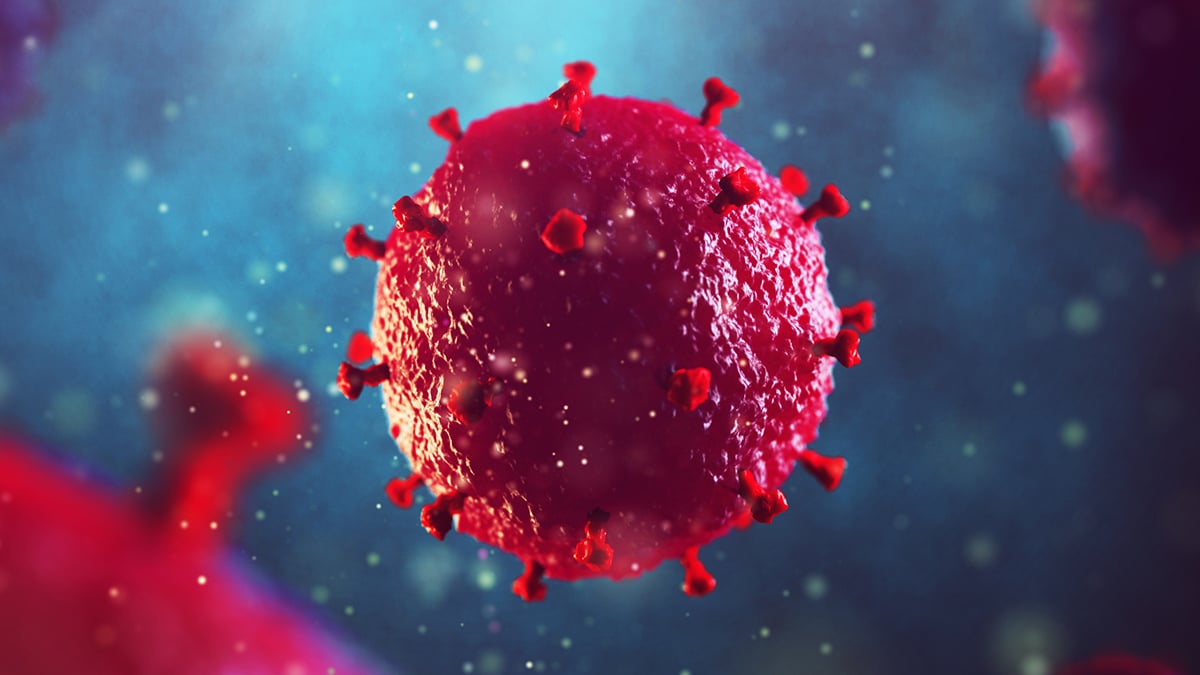
A 63-year-old Norwegian man with HIV remained in remission 5 years after an allogeneic stem cell transplant from a brother carrying the CCR5Δ32/Δ32 mutation. Researchers reported that functioning HIV DNA was cleared by 4 years post-transplant and HIV medication was stopped after 2 years with no viral rebound. The findings add to the small set of documented HIV remission cases, but the procedure remains too risky and impractical to be a general cure.
This is not a near-term market catalyst for HIV therapeutics, but it does raise the probability of renewed capital allocation toward curative, not just suppressive, strategies. The investable second-order effect is a shift in how the market values “functional cure” platforms: allogeneic cell therapy, gene editing, and CCR5-pathway approaches may get a modest multiple lift if this case strengthens the biomarker playbook for durable remission. The bigger implication is validation of a narrower, more testable endpoint set—durable reservoir clearance plus immune non-reactivity—so investors should expect more emphasis on companion diagnostics and assay standardization than on broad antiviral consumption. The winners are likely to be the platform owners with adjacent tools, not the companies directly tied to transplant procedures. Ex vivo gene editing, cell-processing automation, ultra-sensitive viral reservoir analytics, and immune-monitoring vendors benefit from any research program that moves from anecdote to protocolized patient selection. Conversely, conventional HIV drug franchises are unlikely to see any revenue impact over the next several years; the real risk is if payers and KOLs start framing lifelong suppressive therapy as a lower-prestige standard in a subset of cured/curable patients, which could slightly alter trial design, enrollment, and long-duration pricing debates. The contrarian view is that the market may overread “cure” headlines as being broadly translatable when the economics remain brutally unfavorable for transplant-like approaches. The fatality and complication profile of these procedures makes commercialization highly constrained, so the base case is still scientific optionality, not a product market. The main catalyst path is 12-24 months of follow-on papers showing which biomarkers predict reservoir eradication; if that evidence consolidates, the beneficiaries are more likely to be enabling-tool names than headline HIV therapeutics.
AI-powered research, real-time alerts, and portfolio analytics for institutional investors.
Request DemoOverall Sentiment
moderately positive
Sentiment Score
0.55
