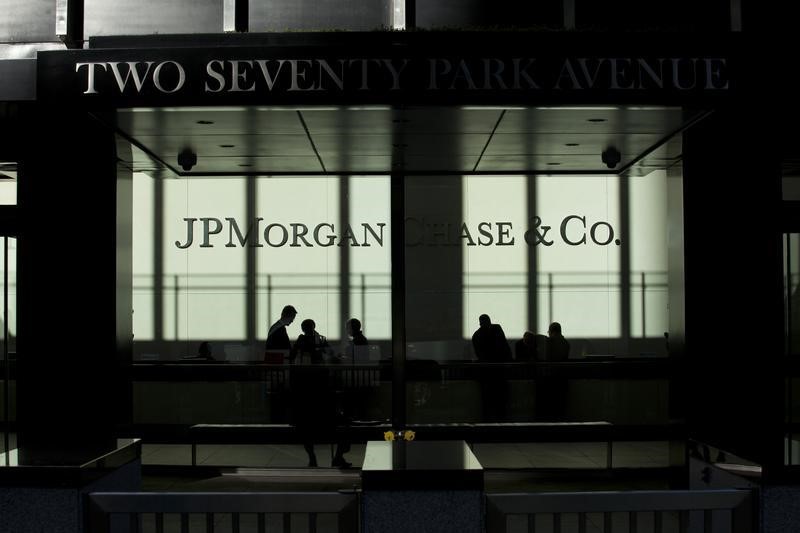
JPMorgan upgraded Visteon to Overweight and raised its price target to $165 from $108, implying meaningful upside versus the current $113.81 share price. The firm now models revenue rising to about $5 billion and EBITDA to $700 million by 2029, supported by Toyota, Honda, TRATON, China AI-HPC wins, and India expansion. Visteon also highlighted new product momentum with its D6Sigma edge AI launch, a new board appointment from NVIDIA, and a $0.375 quarterly dividend.
VC is turning into a cleaner “quality growth” compounder inside auto electronics: the market is still valuing it like a cyclical supplier, while the business mix is increasingly skewed toward platform wins, software content, and non-auto adjacencies. That matters because incremental revenue from HPC/industrial applications should carry better mix and lower program risk than legacy cockpit cycles, so margin expansion can outpace topline even if unit auto demand is only mid-single-digit. The board addition also signals a sharper push into AI-enabled vehicle/industrial compute, which may deserve a higher multiple than typical tier-1/2 suppliers.
The second-order beneficiary is QCOM, but mostly as an ecosystem enabler rather than a direct earnings lever: VC’s use of Qualcomm silicon reinforces a broader edge-AI hardware stack that can crowd in more design wins. NVDA is more of an indirect read-through; the more important signal is that automotive know-how is being repurposed into industrial inference, which expands the addressable market for embedded compute vendors and could pressure smaller analog/MCU incumbents that are still anchored to legacy infotainment spend.
The key risk is execution timing, not strategy. The re-rating is vulnerable if the investor day fails to show a credible bridge from today’s run-rate to the 2028/2029 EBITDA path, or if new launches slip into 2027 and push out the multiple expansion window. On a 3-12 month horizon, the stock can keep grinding higher on estimate revisions, but the current setup leaves less room for disappointment if auto production or China/Europe demand softens.
The contrarian view is that the market may still be underpricing capital return support and overpricing auto cyclicality. A cash-rich balance sheet plus dividend signals downside support, and if management proves industrial revenue is real rather than experimental, the valuation could move from supplier-like to platform-like. The trade is attractive so long as investors can tolerate a near-term reset if the June 25 event is more aspirational than detailed.
AI-powered research, real-time alerts, and portfolio analytics for institutional investors.
Request DemoOverall Sentiment
moderately positive
Sentiment Score
0.68
Ticker Sentiment
