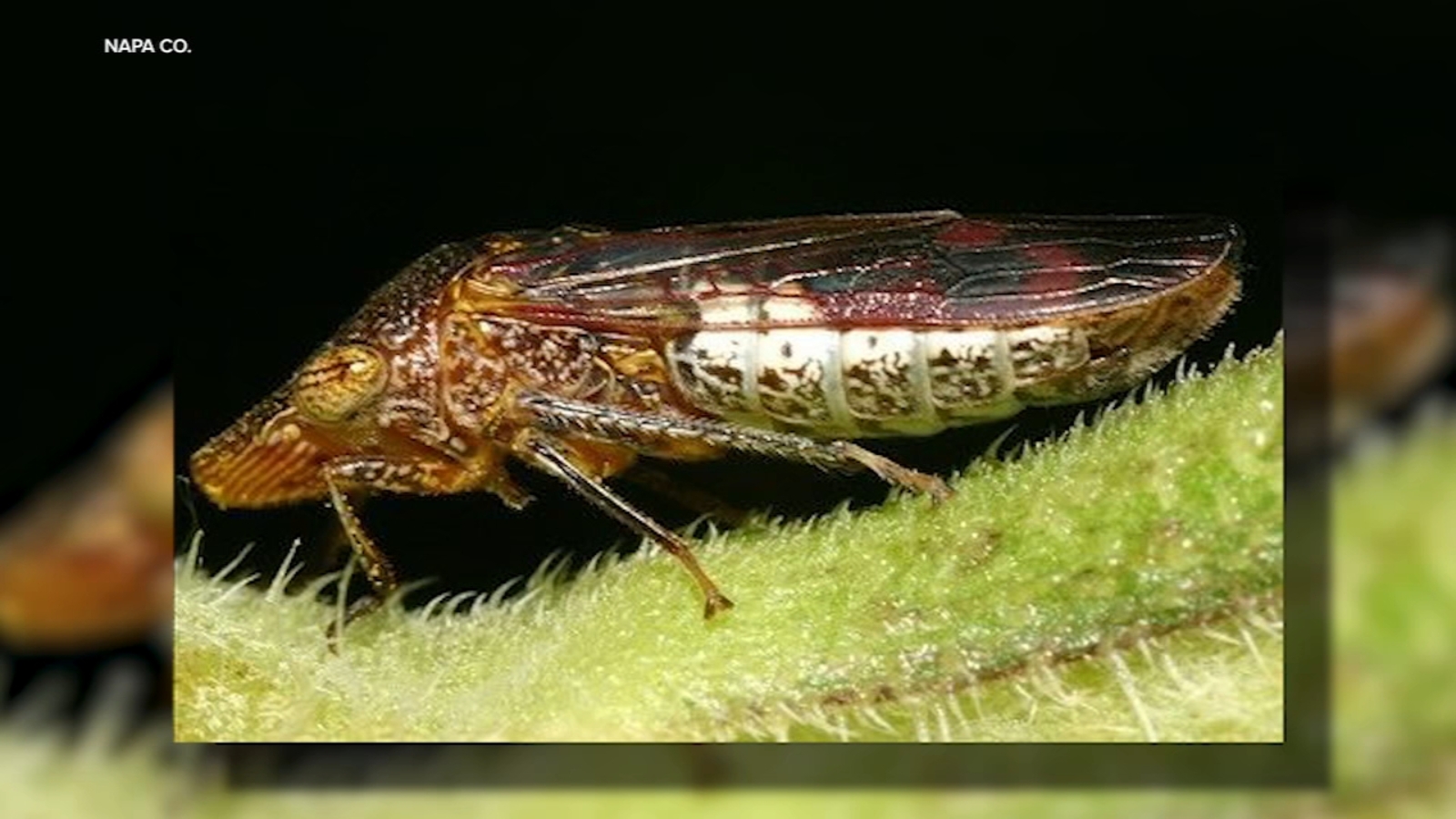
Napa County warned that 220 grapevines shipped from Burchell Nursery to Costco in Napa may carry glassy-winged sharpshooter infestation, with 63 vines destroyed and 157 potentially already in consumers' possession. The pest can spread Pierce's disease, which is incurable and can severely damage vineyards, winery economics, and related tourism. Costco is contacting affected members, while county officials stress prompt reporting and containment to limit agricultural losses.
This is a low-probability, high-friction headline for COST rather than a direct earnings event. The immediate risk is reputational and operational: even if the dollar exposure is trivial, the company’s value proposition depends on trust in quality control, so any perception that member-packaged live goods are a biosecurity vector can dent traffic in the affected region and force incremental compliance costs across the garden center category. The second-order loser is not Costco margins, but the broader warehouse/club model if regulators start treating live plant sales as a controlled distribution channel.
The bigger economic hit is likely to land downstream on California viticulture over a multi-quarter horizon. Pierce’s disease is not a same-season story; the market should focus on delayed yield loss, vine replacement spend, and higher monitoring/eradication budgets that can persist for years. That creates a modest but durable demand tailwind for vineyard services, plant health, traps, and agricultural diagnostics, while also increasing the odds that county regulators tighten movement controls on nursery stock, raising friction for growers and distributors.
Consensus will probably overreact to COST on the headline and underprice the longer-duration winner set. The event is negative for the retailer only if it broadens into a consumer-trust issue or if regulators force more restrictive handling of all live plants; otherwise, this is an isolated compliance mishap. The more interesting trade is that the injury vector is a California specialty-agriculture cost shock: small in GDP terms, but enough to justify higher spend on prevention, which should flow to service providers before it shows up in reported crop losses months from now.
AI-powered research, real-time alerts, and portfolio analytics for institutional investors.
Request DemoOverall Sentiment
moderately negative
Sentiment Score
-0.35
Ticker Sentiment
