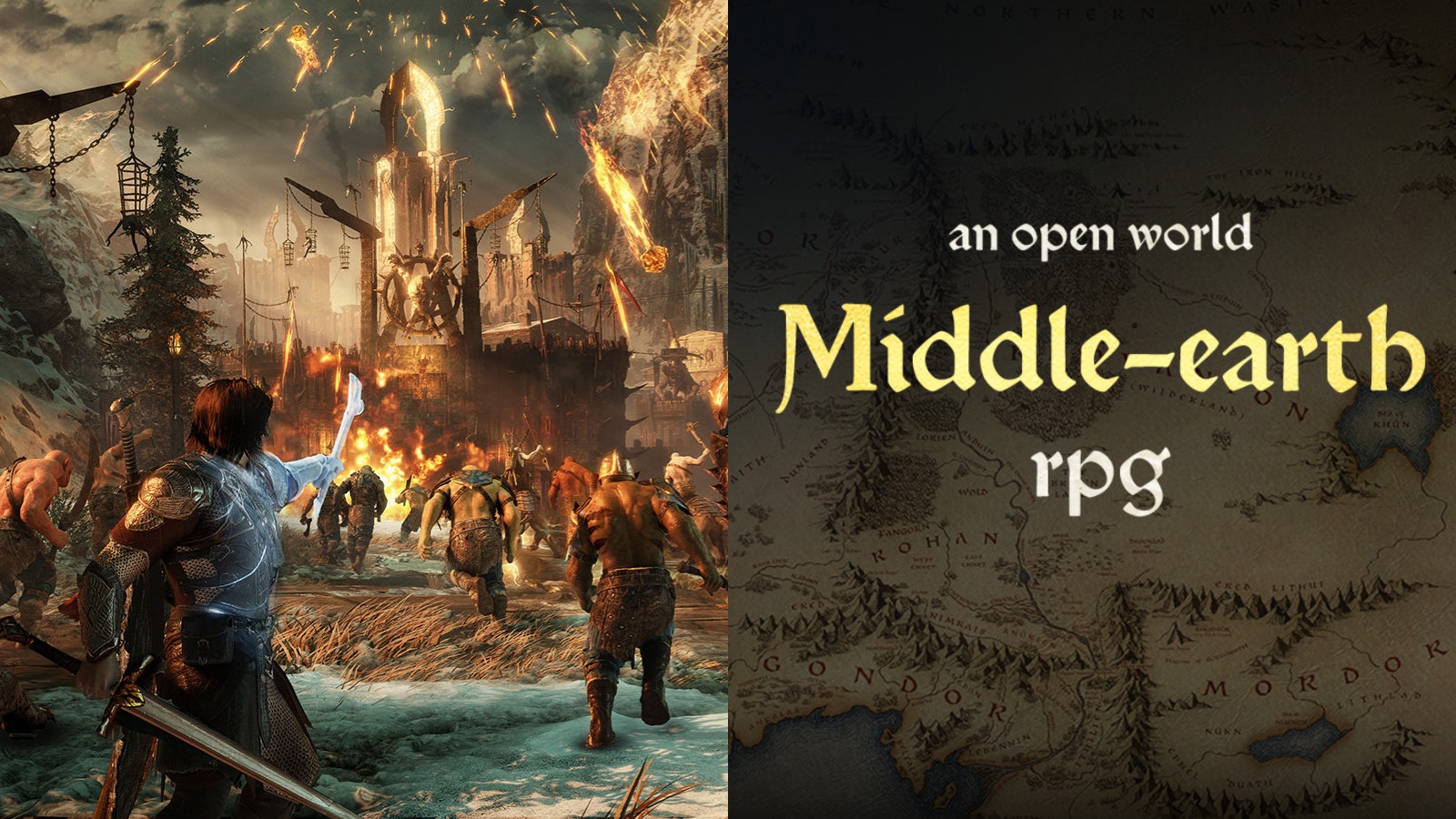
Warhorse Studios announced it is working on an open-world Middle-earth RPG alongside a new Kingdom Come title, signaling an expansion of its development pipeline. The article frames the Tolkien project as a strong creative fit for Warhorse's immersive world-building and realistic combat style, though details and release timing remain scarce. The news is positive for the studio and franchise prospects, but near-term market impact appears limited.
This is a small but meaningful validation event for the premium single-player RPG category: the economic value is not the announcement itself, but the signal that licensed fantasy IP is regaining credibility after a long tail of low-quality tie-ins. If executed well, the winner set extends beyond the studio to platform holders and distribution partners that benefit from a multi-year content cadence and a stronger reason for lapsed players to upgrade hardware and subscriptions.
The second-order effect is competitive attention reallocation. A credible Tolkien RPG would pressure adjacent open-world RPG launches by pulling wishlist traffic, streamer attention, and press coverage into a lower-saturation window; that matters because genre demand is finite and launch quality is disproportionately driven by mindshare in the first 2-3 weeks. The biggest losers are weaker mid-tier fantasy RPGs and any publisher leaning on brand alone rather than systems depth, because this raises the bar for world-building, combat feel, and narrative coherence.
Catalyst timing is long-dated, so the trade is not about near-term revenue but about option value on future bookings and platform engagement. The main failure mode is execution slippage: if the project is smaller than implied, or if rights constraints limit scope, the market may re-rate it as just another niche title rather than a tentpole. On the flip side, the scarcity of truly credible Western RPG franchises means even a teaser or gameplay reveal could rerate sentiment months ahead of launch.
The contrarian view is that the market may be overestimating how transferable historical realism is to high-fantasy production value. Warhorse’s design philosophy is a strong fit mechanically, but Tolkien audiences punish deviation and demand polish, which increases production risk and could compress margins if scope creep sets in. That argues for treating this as a medium-duration sentiment catalyst rather than underwriting a full franchise-scale cash flow story yet.
AI-powered research, real-time alerts, and portfolio analytics for institutional investors.
Request DemoOverall Sentiment
mildly positive
Sentiment Score
0.20
