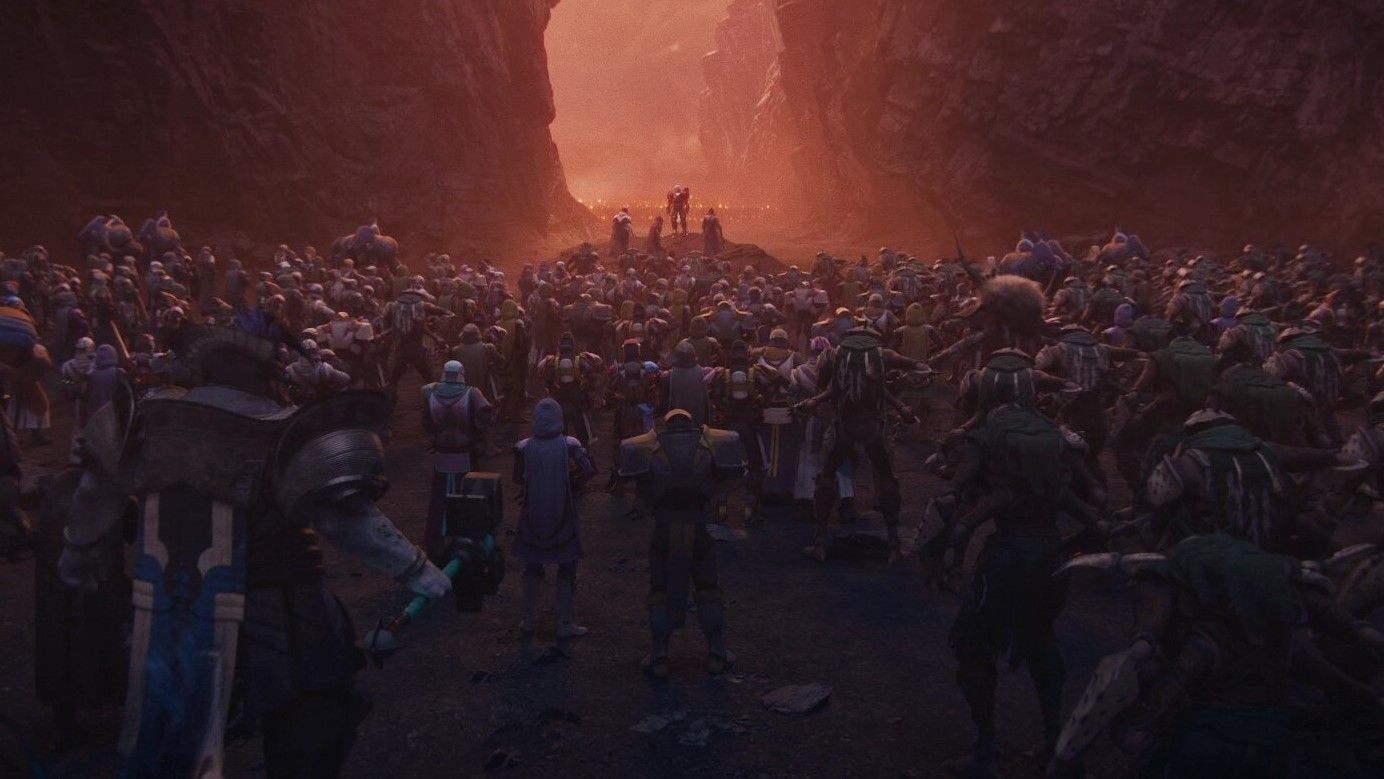
Bungie is ending active live-service development for Destiny 2 with the June 9 Monument of Triumph update, prompting fan backlash and a Change.org petition that has surpassed 45,000 signatures. Community members are also calling on players to log in on June 9 to flood the servers and demonstrate the franchise’s value to Sony. The article suggests the franchise may be deprioritized in favor of Marathon, but no concrete corporate reversal is expected.
The immediate market read is less about the game franchise itself and more about the probability that Sony is becoming stricter on live-service capital allocation. That is a small direct earnings issue, but a meaningful signaling issue: if management is willing to curtail a known ecosystem with engaged monetization, investors should expect higher hurdle rates for future internal game investments and a longer payback requirement across the portfolio. In the near term, the emotional backlash can amplify review-bombing, social sentiment deterioration, and a modest but real risk of churn into competing shooters/MMOs that can capture displaced hours and spending.
The second-order effect is that Destiny’s community behavior is actually a bearish indicator for Sony’s engagement mix if it marks the beginning of a sunk-cost reversal. Live-service franchises depend on habit, not one-off releases; once users feel the title is in maintenance mode, conversion to adjacent Sony-owned services becomes harder and cross-title monetization weakens. The bigger competitive winner may be the broader alternative-gaming ecosystem rather than a single named rival: time spent, Discord activity, and streamer attention can rotate quickly into any title with a visible roadmap, which matters more for acquisition cost than headline petition counts.
For RDDT, the story is mildly positive but not enough to underwrite a rerate. The platform is benefiting from high-intensity, identity-driven discussion that typically lifts session length and comment velocity, but this is a temporary event unless it converts into durable gaming-community retention. The contrarian risk is that the article reads like peak sentiment: petition signatures and coordinated log-ins may create a visible spike, but those are weak predictors of long-run ARPU, and the market may overestimate the revenue significance of a loud but narrow cohort. The more actionable takeaway is that Sony’s gaming segment is facing an execution-confidence problem, not a demand problem, and those usually compress multiples before they impact reported bookings.
AI-powered research, real-time alerts, and portfolio analytics for institutional investors.
Request DemoOverall Sentiment
moderately negative
Sentiment Score
-0.45
Ticker Sentiment
