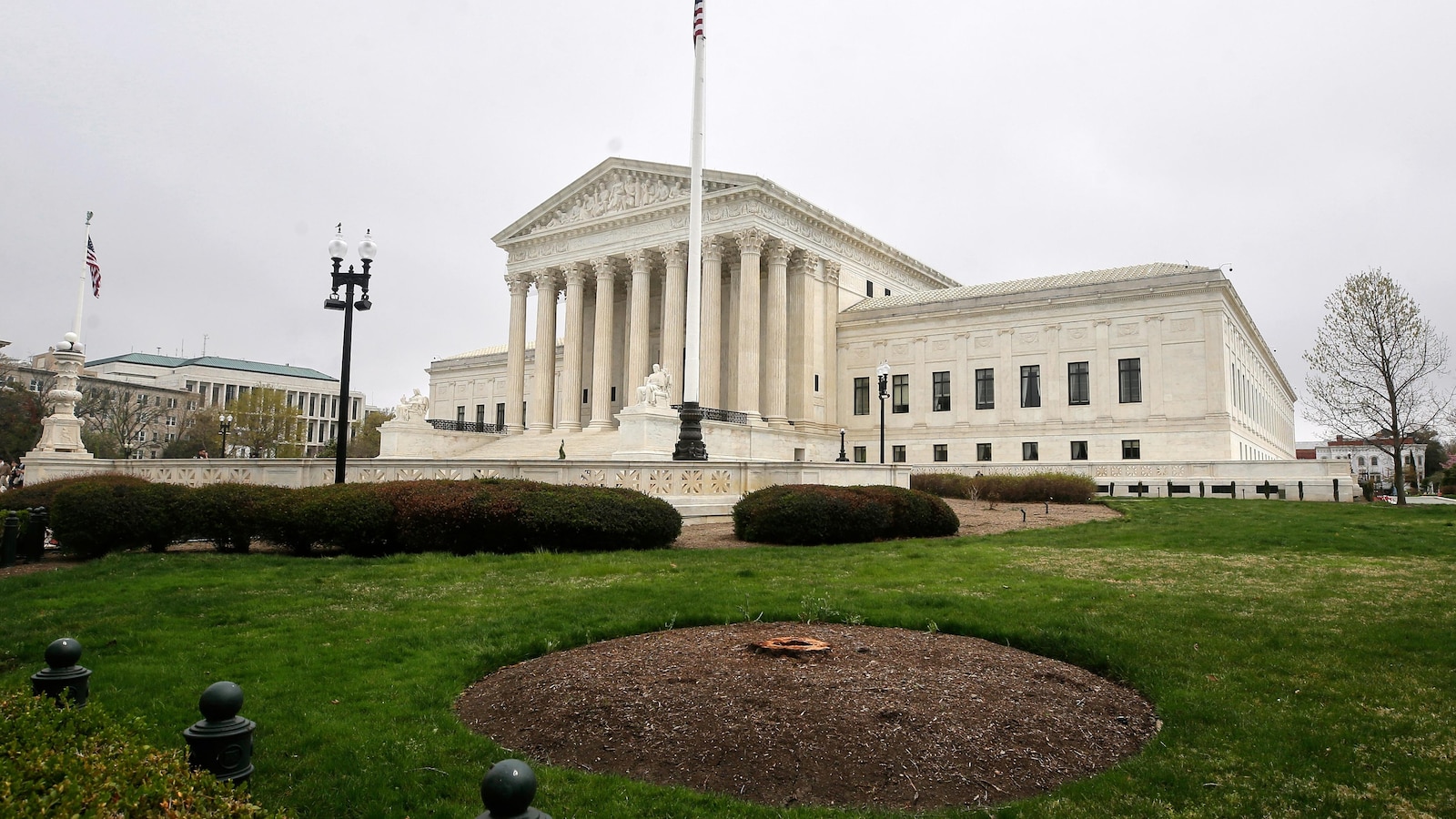
The Supreme Court appeared skeptical of AT&T and Verizon’s challenge to FCC forfeiture procedures in a case involving over $100 million in penalties for allegedly selling customer location data without proper safeguards. Justices signaled that companies may still have a path to court, but the outcome could affect how federal agencies enforce regulations broadly. A ruling is expected by late June.
The market implication is less about the headline penalty and more about whether the Court preserves the administrative fine-and-collect model that quietly underwrites a wide swath of federal enforcement. If that mechanism survives intact, regulated industries keep facing asymmetric downside from process risk, which supports a persistent governance discount on telecoms and other firms exposed to consumer-data, privacy, and disclosure regimes. If the Court trims it even modestly, the real beneficiaries are not just the named defendants but any defendant that can use litigation delay to reduce settlement value and enforcement cadence.
For telecoms, the second-order effect is valuation multiple compression at the margin: a sector already treated as a slow-growth yield proxy would lose one of the few defenses it has against recurring regulatory overhang. That matters because the market tends to underprice legal process risk until a decision creates a template; a favorable ruling for the firms would likely re-rate not just TELCO compliance costs but also the willingness of agencies to rely on penalty-first structures across other sectors. The more interesting knock-on is for cybersecurity/privacy vendors: stricter compliance expectations without clearer enforcement tools can actually increase spend on monitoring and consent-management solutions as companies preempt scrutiny.
The setup is skewed by timing. Into the decision window, the implied move is likely underpriced versus the binary distribution of outcomes, but post-ruling the reaction should be differentiated: a regulator-friendly decision should be a short-lived negative for T with limited follow-through, while a company-friendly surprise could trigger a larger upside re-rating because it reduces expected future enforcement friction, not just this case's fines. The contrarian view is that the market may be overestimating the probability of a broad agency rollback; even a narrow procedural win for the firms may not materially change FCC behavior if agencies simply redesign enforcement to preserve leverage.
AI-powered research, real-time alerts, and portfolio analytics for institutional investors.
Request TrialOverall Sentiment
neutral
Sentiment Score
-0.05
Ticker Sentiment
