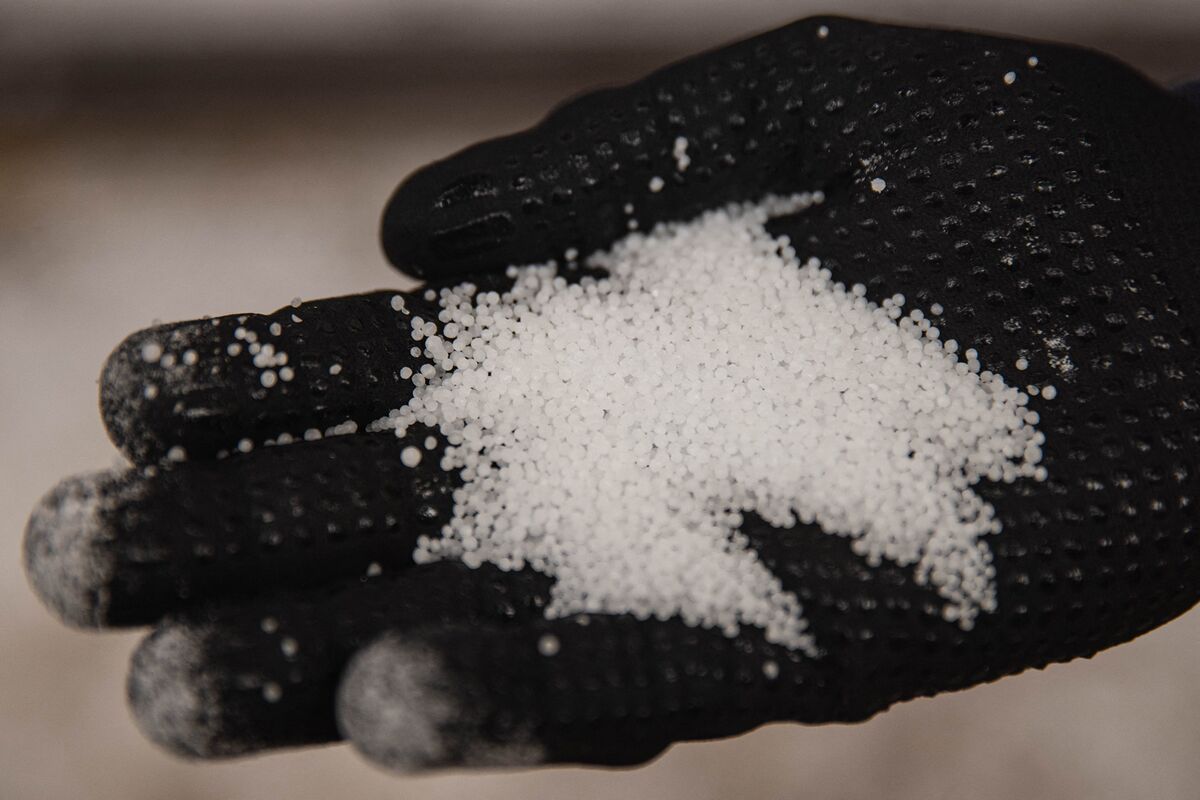
The Iran war risk premium in crop and fertilizer markets is rapidly fading, with urea prices down more than 30% since mid-April after conflict-driven gains were erased. The Bloomberg Agriculture Spot Index, which tracks 10 major crops, fell to its lowest level since March 5, easing a key source of food inflation pressure. Lower fertilizer and crop prices should be broadly supportive for consumers and food processors, while signaling reduced supply disruption risk.
The market is repricing a classic shock that never fully became a supply outage: once the probability of sustained disruption falls, the embedded scarcity premium in fertilizer is typically the first thing to unwind, and grains follow with a lag. That sequence matters because agricultural input costs feed directly into farmer planting economics; cheaper nitrogen improves margin visibility for the next planting cycle and reduces the need for defensive hoarding in the physical market. The second-order effect is broader disinflation pressure, especially in food CPI baskets where the pass-through from crop inputs to retail prices is not immediate but tends to compress pricing power over 2-6 months.
The clearest winners are downstream users of fertilizer and intensive crop buyers: seed distributors, livestock producers, and food processors that have been carrying input-cost stress. The hidden loser is the fertilizer complex itself, where a war-risk spike can reverse faster than volumes recover, creating a sharp multiple reset if margins were modeled off peak pricing. This also improves terms for import-dependent agricultural economies and reduces the odds of policy interventions like export bans, which often amplify volatility more than the underlying supply shock.
The key risk is that the market may be underestimating how quickly a new catalyst can rebuild the premium: any escalation involving shipping lanes, sanctions enforcement, or retaliation against regional energy infrastructure would reprice fertilizer and grains within days, not months. But absent fresh disruption, the path of least resistance is lower because inventories and substitute sourcing are now sufficient to absorb headline risk. The bigger contrarian issue is that the move may be overdone tactically: once fear premiums unwind, momentum players can push prices below fair value before physical buyers step back in.
From a trading perspective, this is more attractive as a relative-value expression than a naked outright short. The better setup is long food/consumer names with high input exposure versus short fertilizer-sensitive commodity proxies, or a tactical short in fertilizer-linked equities on any bounce if you can define risk tightly. For macro accounts, the disinflation impulse argues for a small duration-positive tilt over the next 1-3 months, because lower food inflation reduces the odds of hawkish surprises from central banks even if headline energy remains noisy.
AI-powered research, real-time alerts, and portfolio analytics for institutional investors.
Request DemoOverall Sentiment
moderately positive
Sentiment Score
0.35
