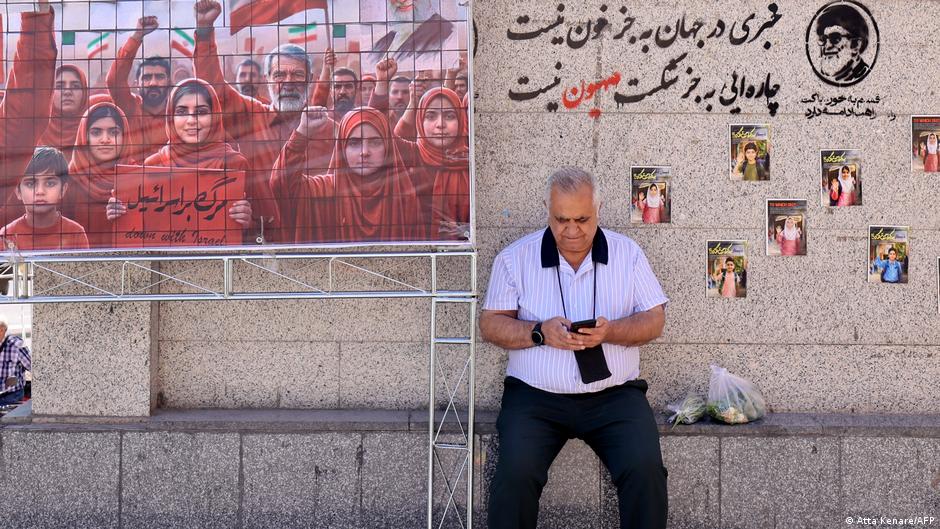
The article reports renewed US strikes in southern Iran, Iranian allegations of ceasefire violations, and continued Israeli military escalation in Lebanon and Gaza, keeping regional conflict risks elevated. It also notes a partial restoration of internet connectivity in Iran after a near-total blackout and reports at least 12 killed in Israeli strikes in southern Lebanon. Oil markets remain sensitive, with disruptions to the Strait of Hormuz and Gulf shipping still a central risk for global energy flows.
The near-restoration of connectivity is not just a political signal; it is a tactical enabler for faster command-and-control, capital movement, and narrative stabilization. In a conflict where information suppression was itself a weapon, even partial internet reopening can improve regime coordination while also reducing the friction on domestic economic activity, which may help Tehran sustain operations longer than markets assume.
The bigger market implication is that the most acute supply risk in energy is shifting from outright outage to intermittent disruption and maritime harassment. That tends to cap the immediate upside in crude unless there is a sustained Hormuz closure, but it raises the probability of sharp intraday spikes, higher implied volatility, and a persistent risk premium in tankers, insurers, and defense logistics rather than in flat-price energy beta.
The ceasefire rhetoric is fragile because both sides are now operating with asymmetric incentives: Washington wants a deal to de-risk shipping lanes, while Tehran benefits from ambiguity as leverage. If talks drag for days, not weeks, the tail risk is escalation around the Gulf of Oman and southern Iran rather than a clean macro shock; that favors hedges tied to freight rates, naval activity, and air-defense supply chains over broad commodity longs.
Consensus may be underpricing how quickly internet restoration can improve Iran’s resilience to sanctions and internal dissent, but overpricing the chance of a durable diplomatic de-escalation. A partial reopening could actually prolong the conflict by restoring just enough civilian functionality and external coordination to keep the regime in the game, which is bearish for a fast resolution and bullish for volatility across regional assets.
AI-powered research, real-time alerts, and portfolio analytics for institutional investors.
Request DemoOverall Sentiment
strongly negative
Sentiment Score
-0.55
