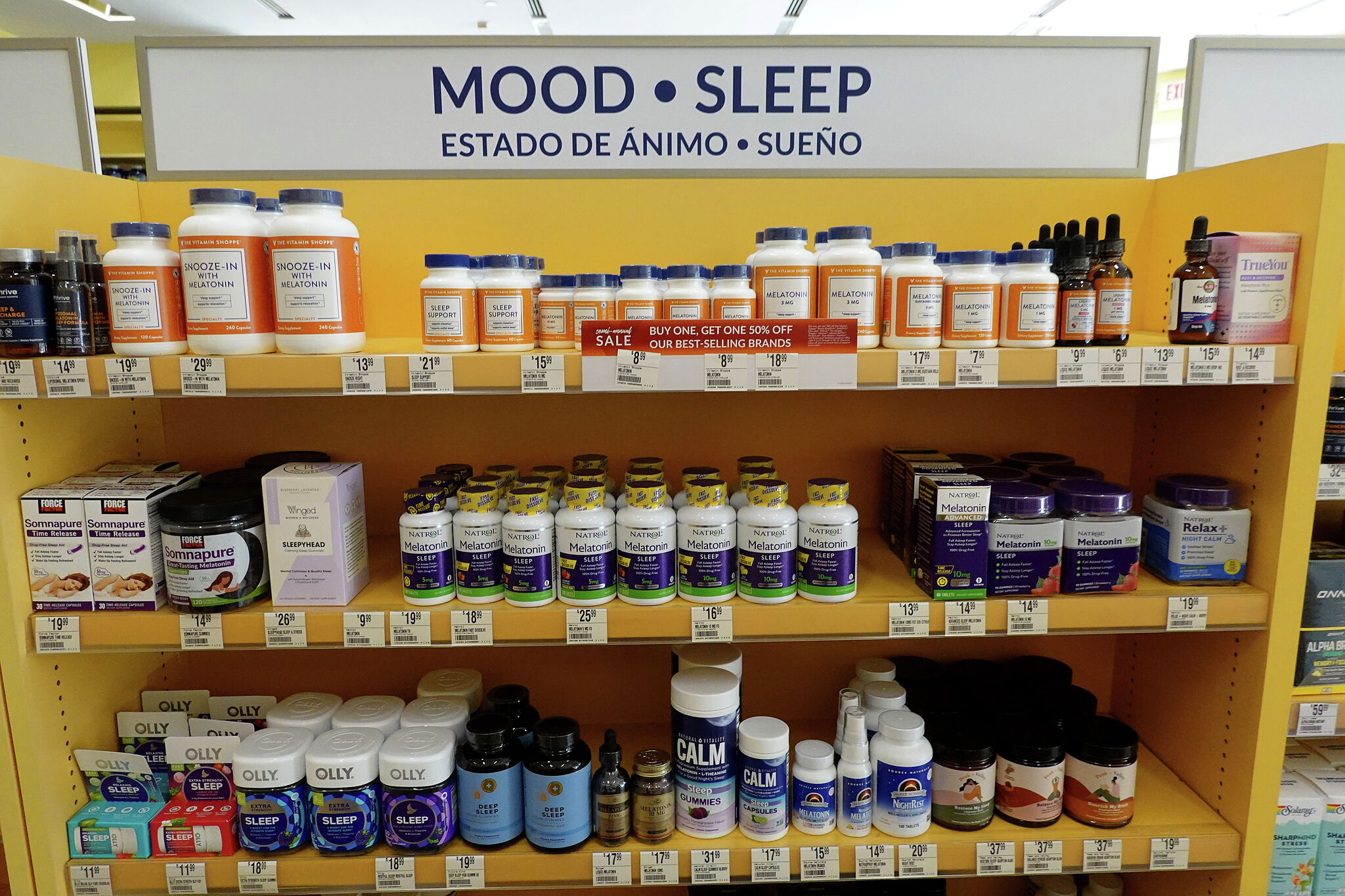
New research from the American Heart Association indicates that long-term melatonin use (over one year) is associated with a significantly increased risk of heart failure, hospitalization, and all-cause mortality, with a study of over 130,000 adults showing a 90% higher heart failure risk. This finding is particularly notable given melatonin's status as an unregulated over-the-counter supplement, where potency and purity can vary widely. While experts emphasize correlation over causation, the study challenges the perception of 'natural' supplements as risk-free and suggests a need for reevaluating chronic use, potentially influencing consumer behavior and future regulatory scrutiny within the supplement market.
New research presented by the American Heart Association indicates a significant health risk associated with long-term melatonin use. A five-year study of over 130,000 adults found that individuals using melatonin for a year or more faced a 90% higher risk of heart failure and were nearly twice as likely to die from any cause. Hospitalization for heart failure was 3.5 times more likely among long-term users, highlighting substantial adverse outcomes.
This finding is particularly salient given melatonin's status as an unregulated over-the-counter supplement in the U.S., where potency and purity can vary widely. The study challenges the common perception that "natural" supplements are inherently risk-free, potentially shifting consumer behavior and increasing scrutiny on the broader dietary supplement market.
While experts emphasize that the study establishes correlation, not direct causation, and acknowledges potential confounding factors like chronic insomnia, the preliminary results underscore a growing concern. Further research is needed to differentiate whether melatonin directly contributes to cardiac issues or merely signals underlying health problems. This could prompt reevaluation of chronic melatonin use by healthcare professionals and consumers.
AI-powered research, real-time alerts, and portfolio analytics for institutional investors.
Request DemoOverall Sentiment
moderately negative
Sentiment Score
-0.50
