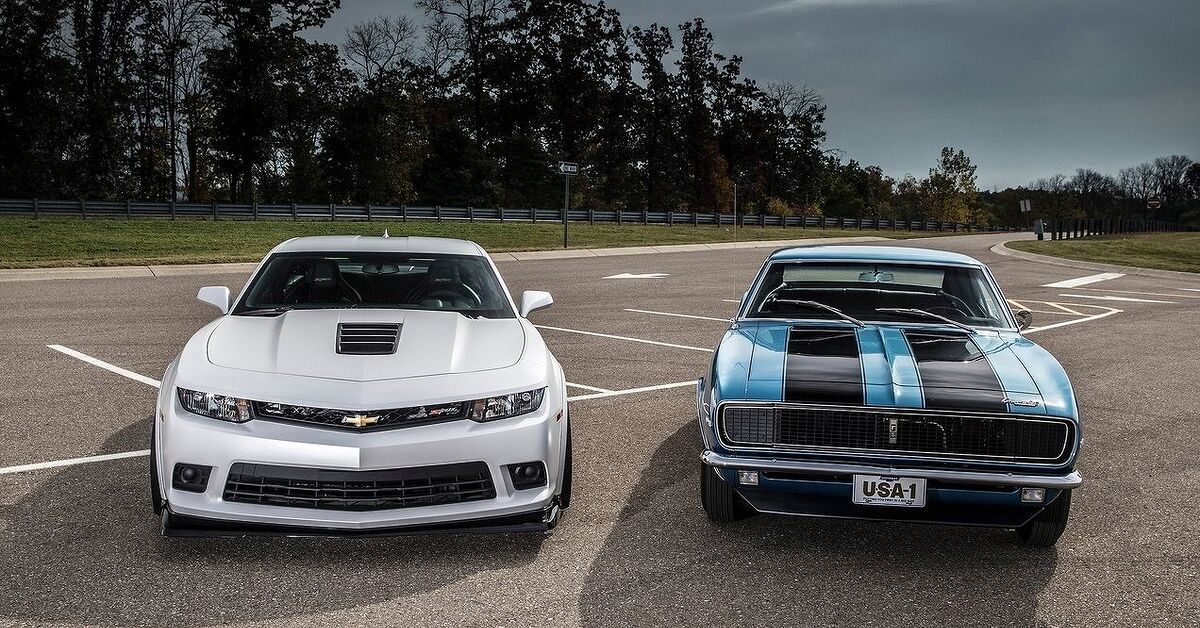
Roughly 12 million collectible vehicles, worth an estimated $570 billion, are expected to change hands over the next 15 years as part of the Great Wealth Transfer. Hagerty estimates the U.S. collectible-car market now has more than 43 million vehicles and $1 trillion in insurable value, but future prices will depend heavily on next-generation demand, storage costs, and maintenance burdens. The article is broadly descriptive, highlighting both appreciation potential and inheritance-related friction rather than a clear market catalyst.
The investable signal is not the cars themselves but the financing, storage, insurance, and transaction layer that monetizes turnover. A generational reset in ownership should increase auction activity, appraisal work, transport, garage/storage utilization, and specialty insurance premium dollars even if end-demand for specific models fragments by cohort. That favors platform businesses with recurring fee streams and pricing power over pure enthusiasts’ brands exposed to changing taste.
Second-order, the larger risk is supply overhang rather than a simple scarcity story. If heirs inherit vehicles with high carrying costs, many will rationally exit into a market with thinner marginal demand, which can pressure mid-tier collectible prices before “trophy” assets stabilize. That would create a barbell outcome: top decile cars retain value, while the broad middle sees slower turns, wider bid/ask spreads, and more distress selling over the next 2-5 years.
For HGTY, the catalyst is not immediate scarcity but more tradable inventory and more demand for price discovery. The counter-risk is that a weak collector market could impair transaction volumes or insurance growth if values reset lower; however, the more likely near-term effect is higher engagement and higher monetization per vehicle as owners seek guidance on disposition. Consensus may be underestimating how emotionally sticky assets become financially liquid once heirs face storage, upkeep, and estate administration friction.
The best contrarian read is that this is a volume-and-flywheel story, not a straight-line appreciation story for collectibles. If younger buyers are less brand-loyal to legacy ICE icons, the market may rotate toward newer performance cars and “usable classics,” making the long tail of 1950s-1960s trophy assets less liquid than bulls assume. That argues for owning the intermediary toll collectors rather than the asset class itself.
AI-powered research, real-time alerts, and portfolio analytics for institutional investors.
Request DemoOverall Sentiment
neutral
Sentiment Score
0.05
Ticker Sentiment
